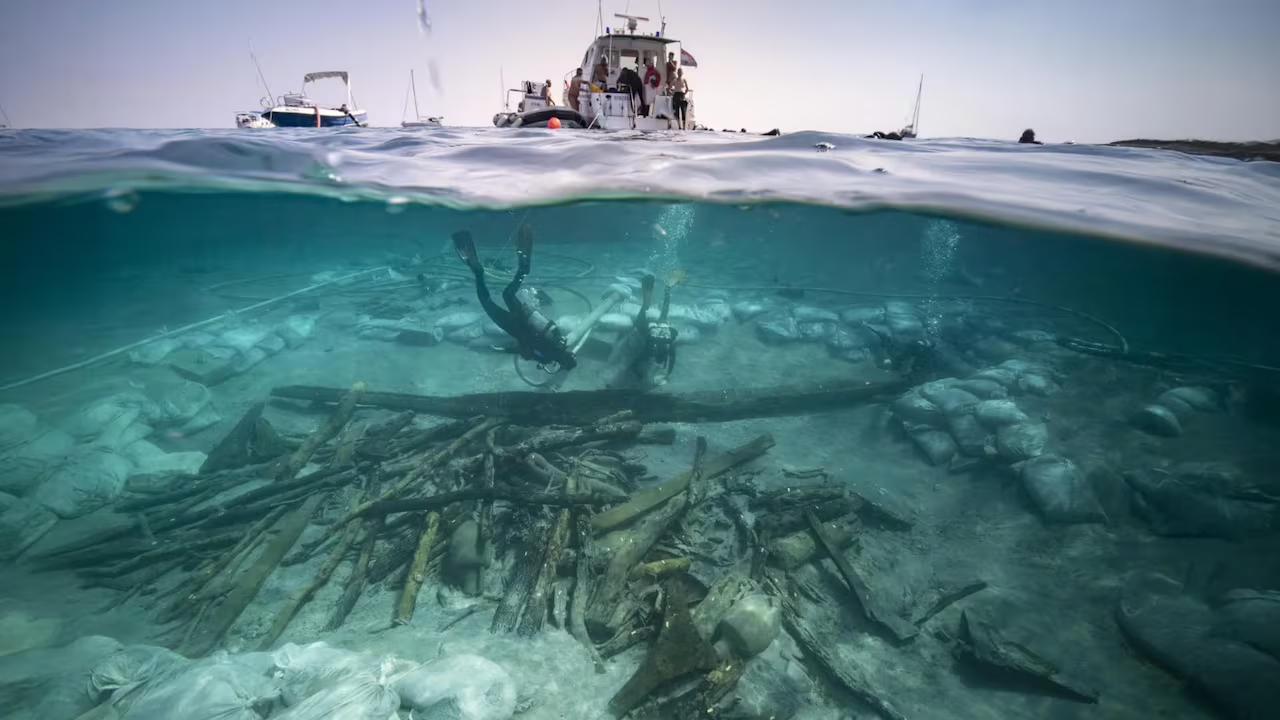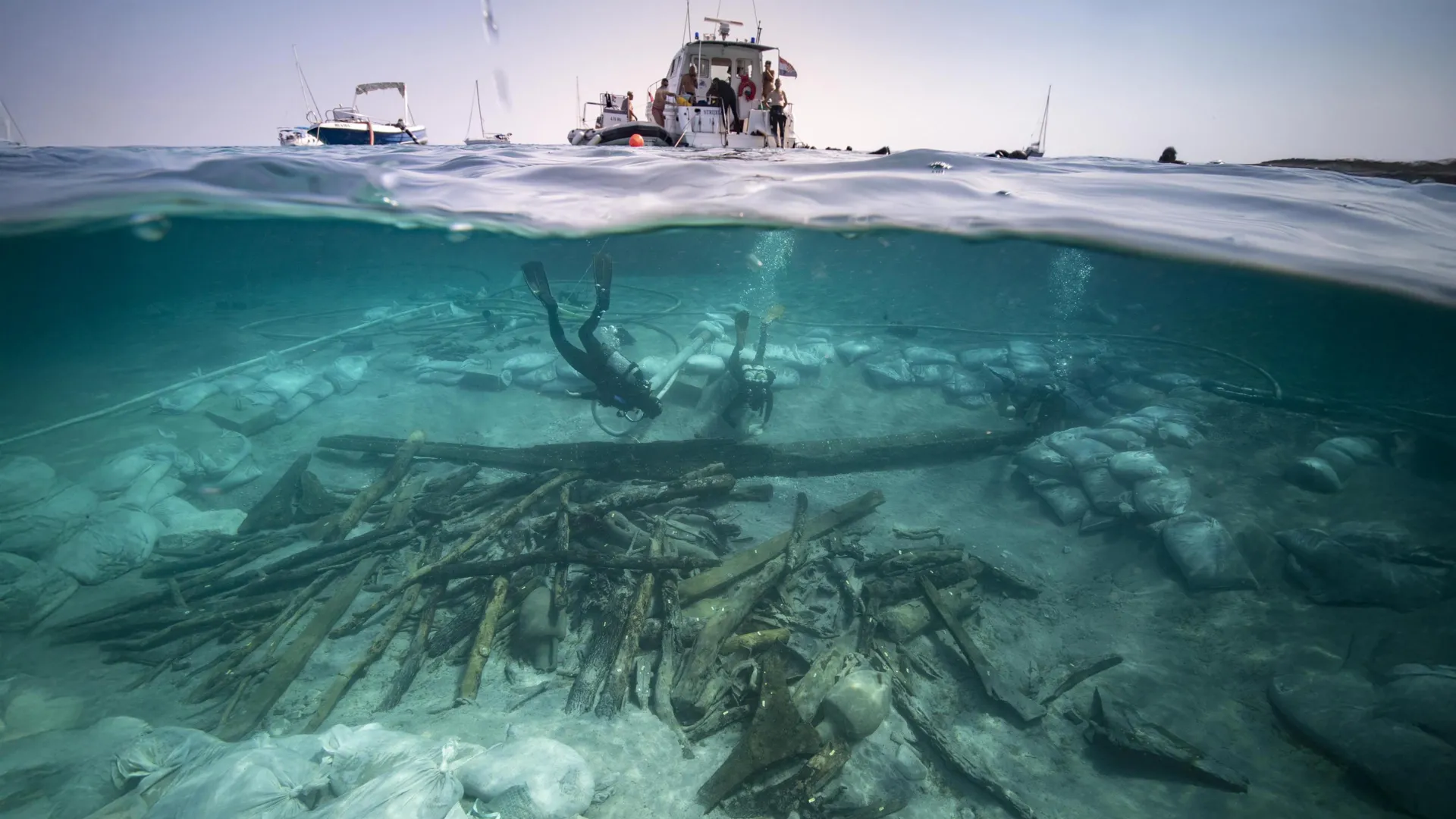
For as long as people have traveled by sea, ships have needed protection from water, salt, microorganisms, and marine animals such as worms. Yet until the mid-20th century, researchers paid relatively little attention to the non-wood materials used in ancient shipbuilding. Waterproofing materials in particular remain understudied.
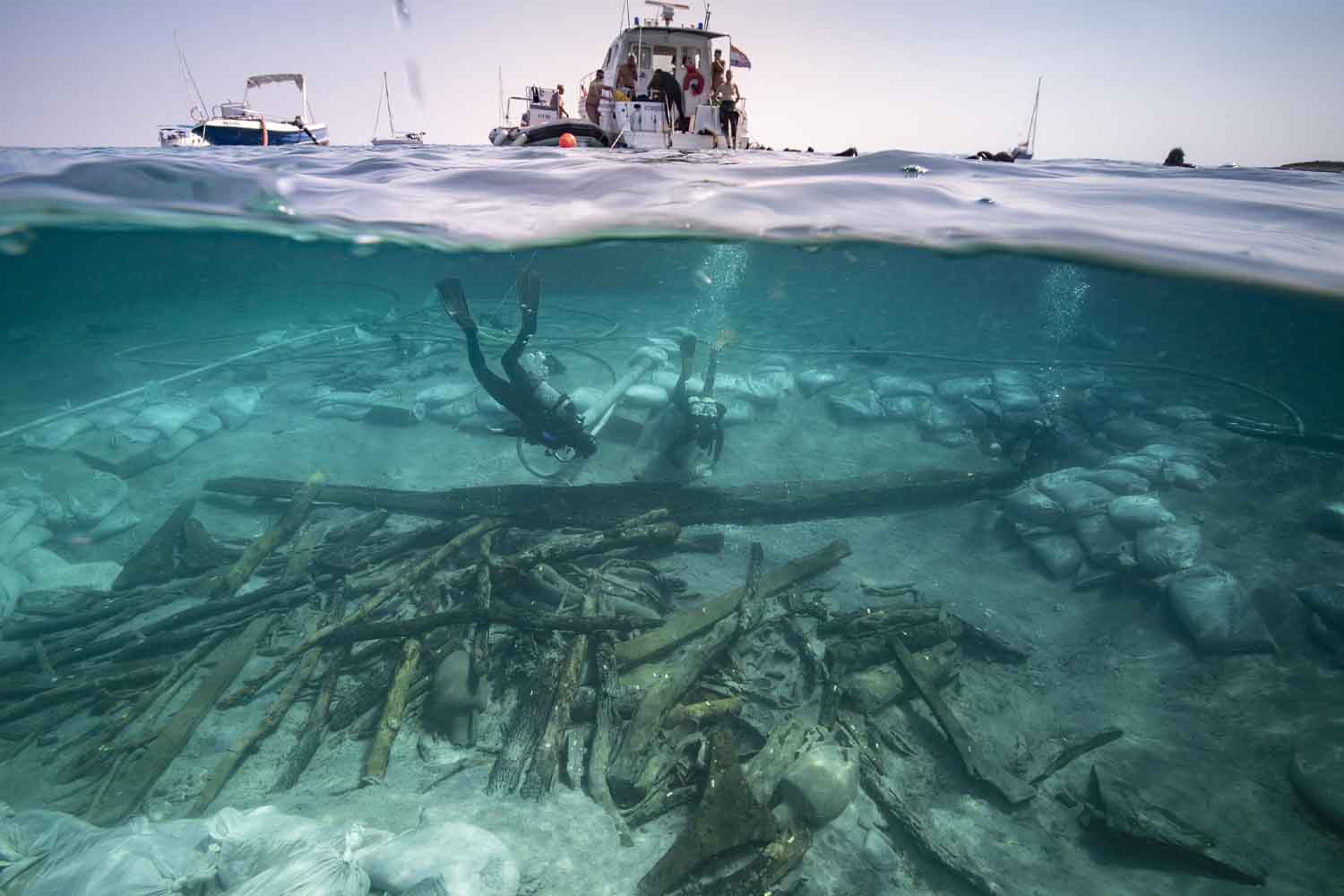
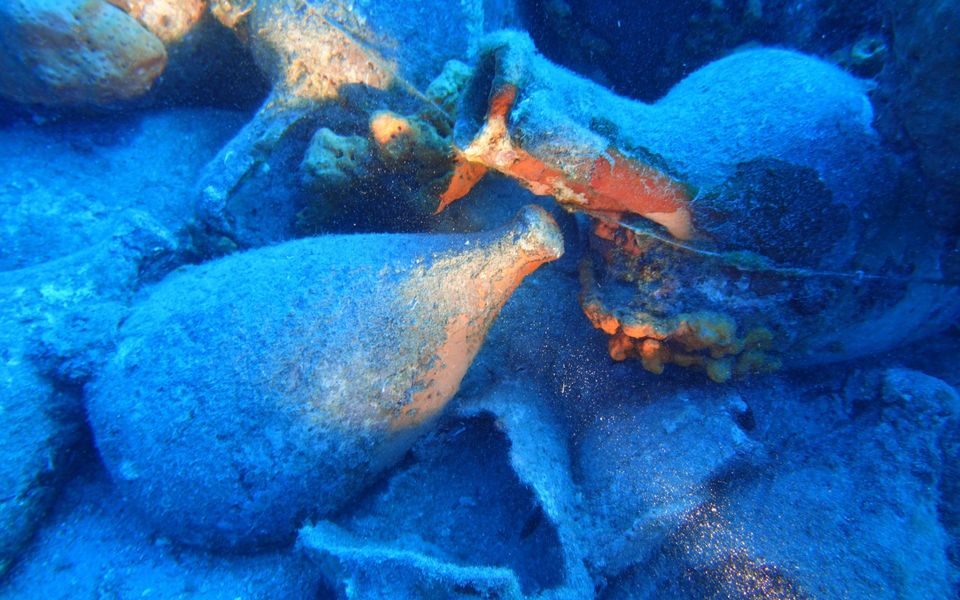
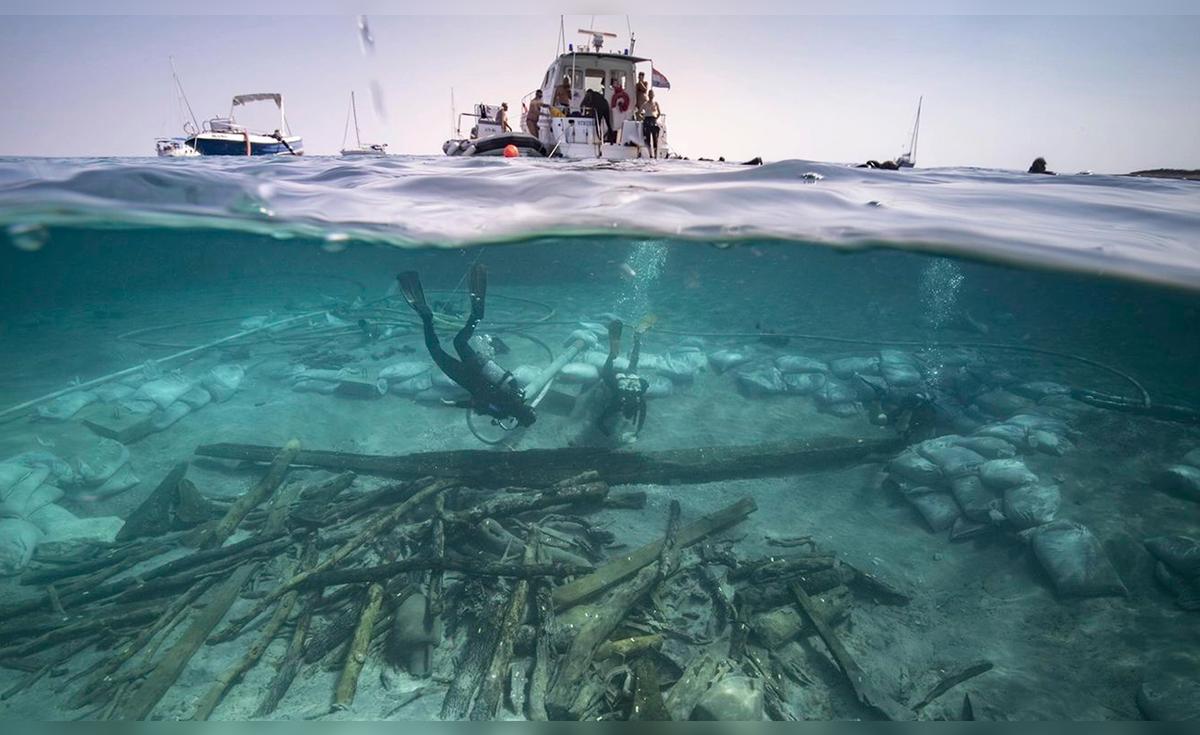
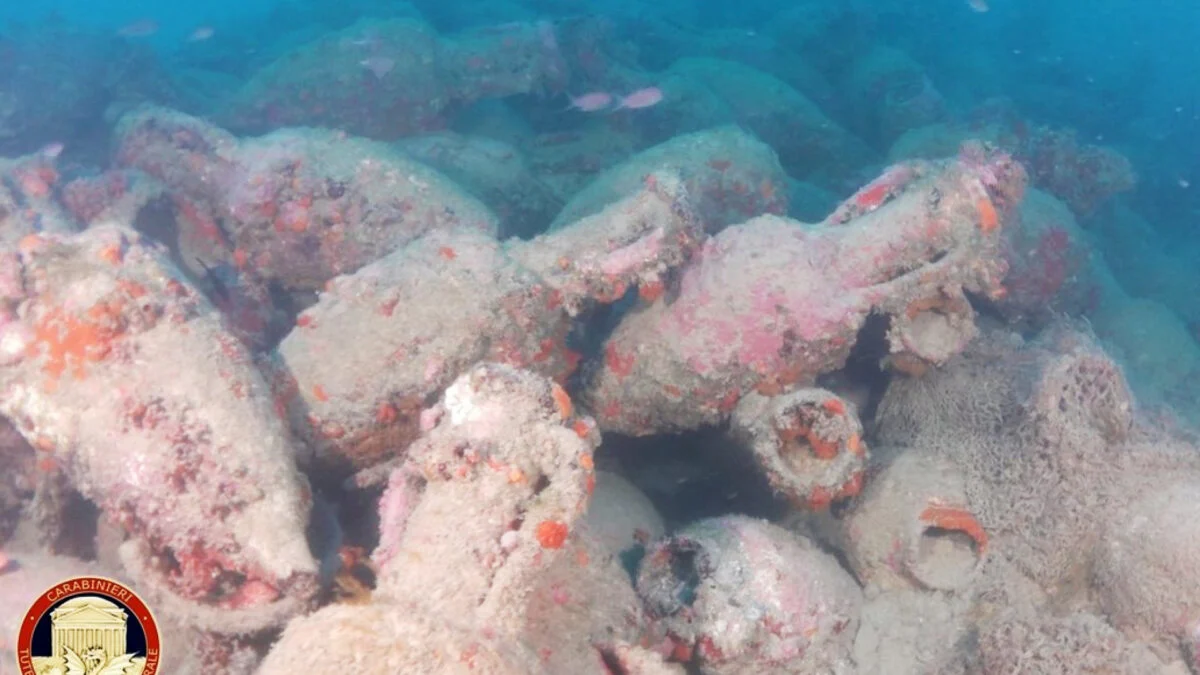
A new study published in Frontiers in Materials is helping fill that gap. Researchers in France and Croatia analyzed the protective coating on the Roman Republic shipwreck Ilovik-Paržine 1, which sank about 2,200 years ago off the coast of what is now Croatia.
"In archaeology, little attention is paid to organic waterproofing materials. Yet they are essential for navigation at sea or on rivers and are true witnesses of past naval technologies," said first author Dr. Armelle Charrié, an archaeometrist at the Laboratory of Mass Spectrometry of Interactions and Systems in Strasbourg. "Studying the coatings, we found two different kinds on this vessel: one made of pine tar, also called pitch, and the other of a mixture of pine tar and beeswax. Analysis of pollen in the coating made it possible to identify the plant taxa present in the immediate environment during the construction or repairs of the ship."