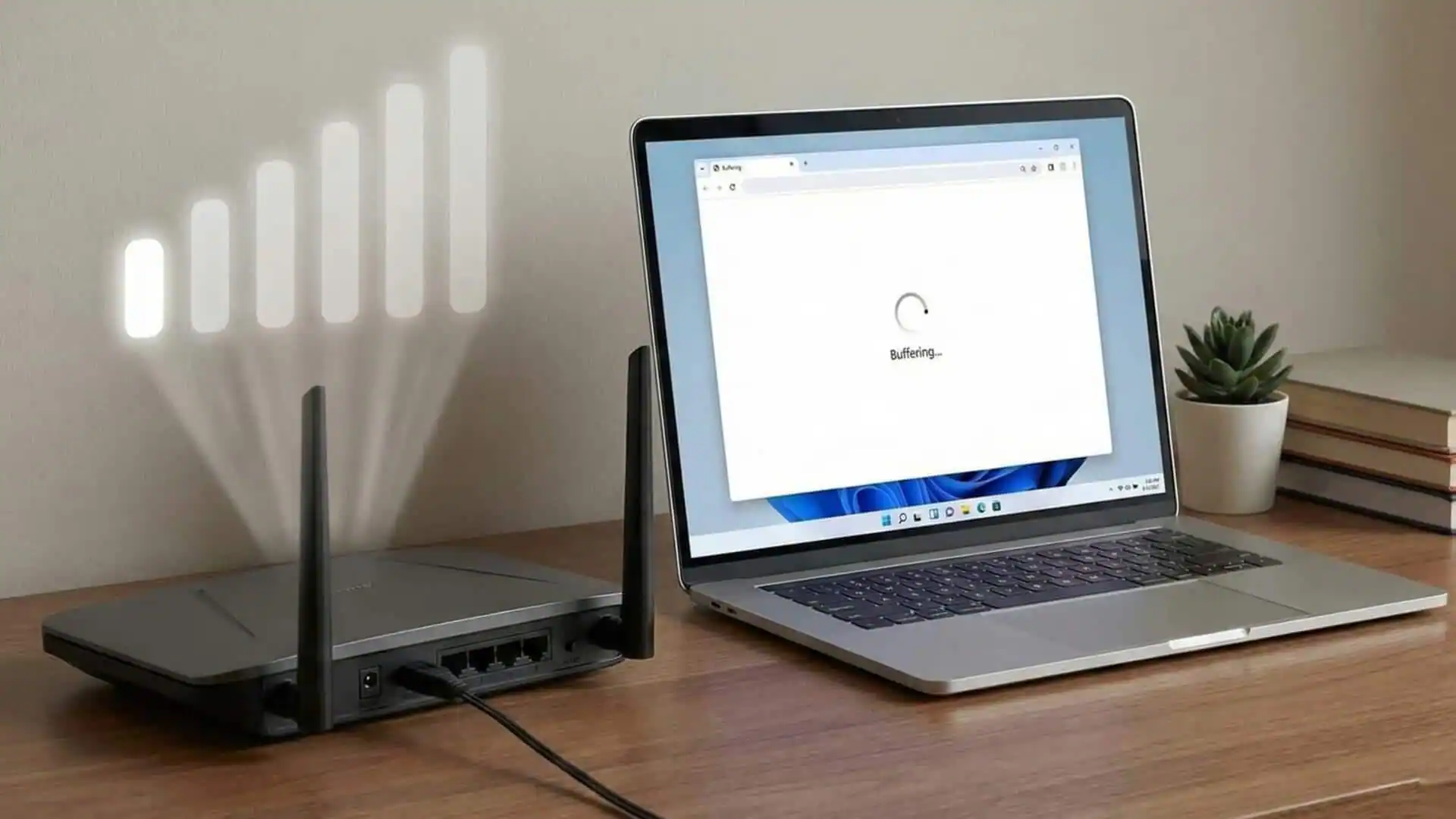
CableLabs wants hardware makers to embrace a workaround that keeps legacy kit connected
Broadband industry research body CableLabs is warning that attempts to make Wi-Fi 7 access points accommodate older devices can create compatibility problems of their own, and wants hardware makers to prioritize support for the industry's workaround.Wi-Fi 7 products have been finding their way into buyers' hands for a couple of years now, with the Wi-Fi Alliance kicking off its certification program for the latest iteration of the wireless network tech at the start of 2024.CableLabs is concerned about how Wi-Fi 7 hardware implements WPA3, the latest version of the Wi-Fi Protected Access security standard.
The Wi-Fi Alliance made WPA3 mandatory on the 6 GHz band used by Wi-Fi 6E and Wi-Fi 7. WPA3 itself is not new, having been supported by Wi-Fi 6, while access points operating on the older frequency bands could use a transition mode to accommodate WPA2 devices.
According to CableLabs, more than 23 billion Wi-Fi devices are in use worldwide, many of them based on Wi-Fi 5 or even Wi-Fi 4 hardware. This is especially true in domestic environments, where networks often comprise an eclectic mix of client devices, meaning that compatibility issues can arise despite industry efforts to maintain seamless interoperability.WPA3-Personal Transition Mode allows an access point to offer WPA2 and WPA3 authentication on the same network, supporting both legacy and newer clients.Alas, some legacy clients are not as forward-compatible as intended. They are supposed to ignore any security options they don't recognize when setting up a connection, but some may misinterpret this information, leading them to fail to connect to the access point.A consumer may therefore upgrade to a Wi-Fi 7 router or access point only to find that some older devices can no longer connect, "causing confusion and increased customer service calls for operators," CableLabs notes.