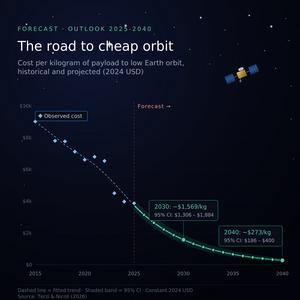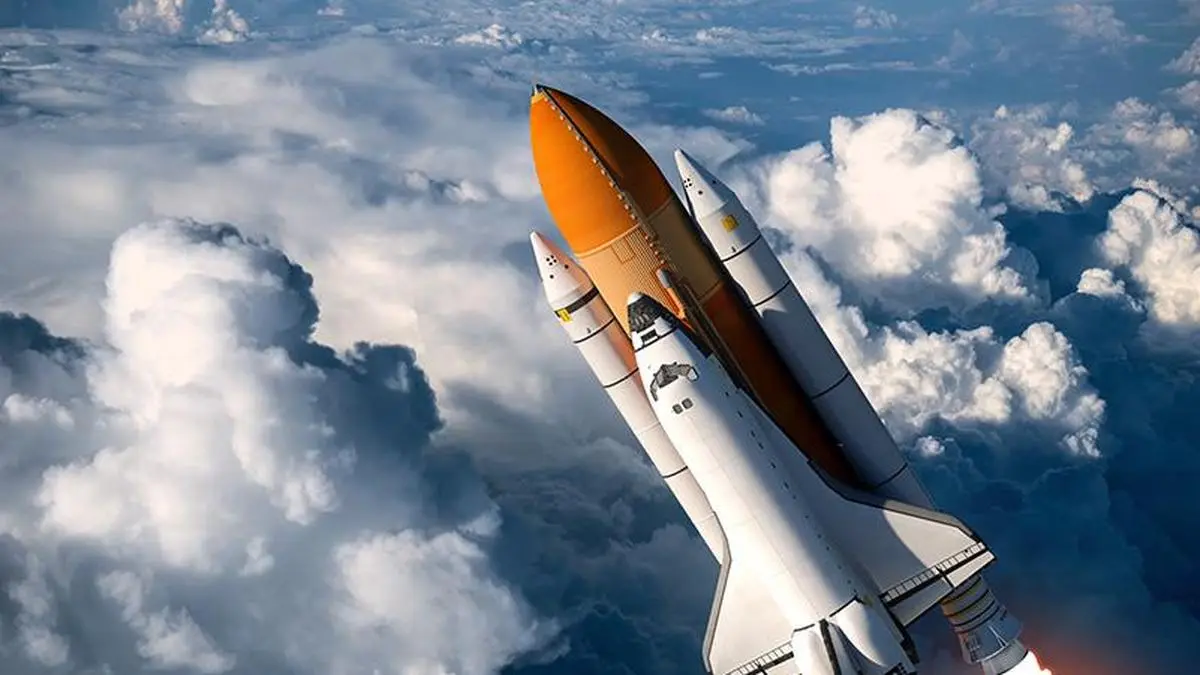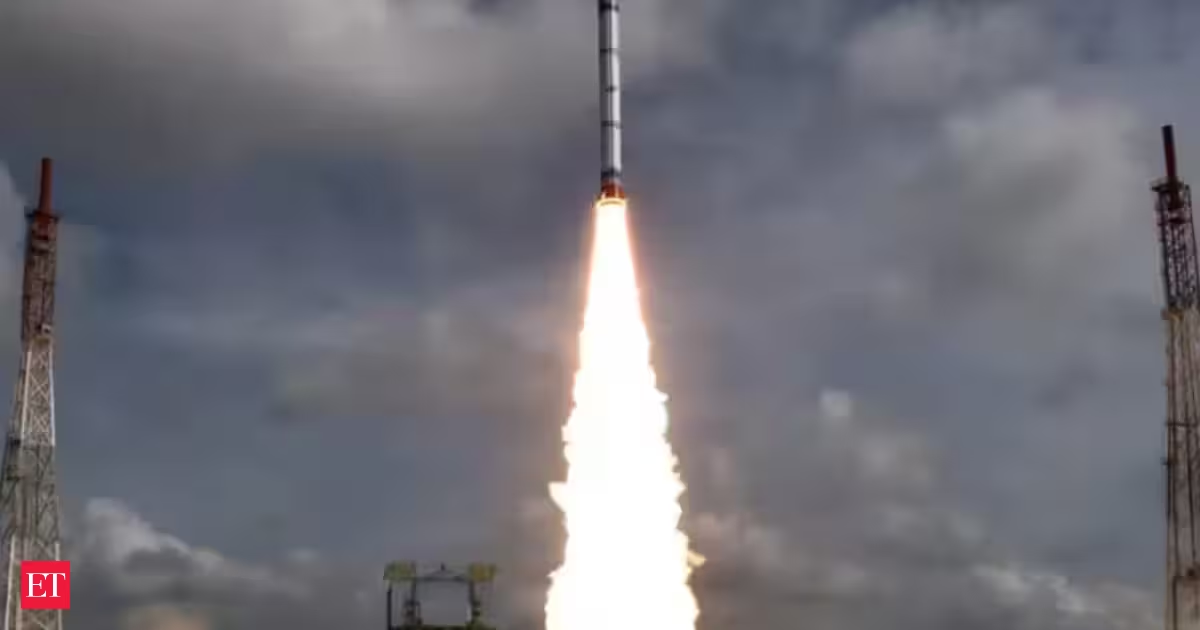
India's rocket launch costs are much higher than those of the United States, according to a new study that highlights the importance of scale and technological experience as the country seeks to expand its space economy.The average estimated cost of placing a kilogram of payload into low Earth orbit in 2025 was more than $13,000 in India, compared with $3,225 in the United States, the study published in Economics Letters found.The study, by Alessio Terzi of the University of Cambridge and Francesco Nicoli of Politecnico di Torino, used a dataset of more than 6,740 rocket launches between 1960 and 2025 to estimate launch costs and the relationship between experience and costs across countries.Also Read: Number of space startups rose from one in 2014 to over 400 in 2026: Government to Rajya SabhaMint first reported the India-specific findings on Friday.The findings come as India seeks to expand its space industry beyond government-led programmes and increase the role of private companies in satellite manufacturing, launch services and other space activities.The study found that launch costs vary substantially across major spacefaring countries, with the United States at the lower end and India at the higher end. Europe, Russia, China and Japan were positioned between the two, it said.Country/regionCost ($/kg)United States$3,225Japan$5,287China$5,809Russia$6,682Europe$9,897India$13,302 Source: Alessio Terzi and Francesco Nicoli, Economics Letters, “Geopolitics and space access: cost asymmetries and strategic dependence.”The economists found that since 2010, only the United States and Europe have shown statistically significant "experience curves" in space launches, meaning costs have fallen as accumulated launch experience increased.The improvement has been faster in the United States, the study said.The findings point to the importance of increasing launch frequency and building technological capabilities as India develops its commercial space sector.India has in recent years opened its space sector to private companies, with the government seeking to encourage domestic firms to develop launch vehicles and compete for a larger share of the global space market.The cost estimates in the study should not, however, be interpreted as the price charged for an individual rocket launch. They are country-level estimates of the average cost per kilogram of placing payloads into low Earth orbit.The researchers said the growing differences in launch costs could also have strategic implications, as access to space becomes increasingly important for communications, navigation, surveillance and other critical applications.Also Read: Investors on a new mission: Funding spacetech startupsThe United States accounted for more than 80% of global payload sent to orbit in 2025, according to the study, underscoring its scale advantage in the launch market.ET OnlineEstimated cost to send 1kg of payload to low Earth orbit in 2025(AI generated image)For India, the challenge is therefore not only to develop launch vehicles but also to build the scale and accumulated experience that can help reduce launch costs over time.The study's findings suggest that narrowing the cost gap with the United States could be an important factor in India's efforts to become a larger player in the global space economy.US cost advantage has strategic implicationsThe cost gap could also have geopolitical implications as countries increasingly rely on space-based infrastructure for communications, navigation, surveillance and other critical applications, the study said.The researchers said widening cost differences could “reinforce strategic dependencies”, particularly if countries with higher launch costs become more reliant on lower-cost providers for access to space.
India's space ambitions face over 4x higher rocket launch costs than US, study shows
India faces a substantial cost gap with the United States for launching payloads. A recent study estimates India's cost at over $13,000 per kilogram by 2025. This contrasts with the United States' estimated cost of $3,225 per kilogram. The study highlights scale and experience as key factors for reducing launch expenses. India must increase launch frequency and build capabilities to compete globally.
547 words~2 min read