(Image credit: Shutterstock)
Weeds are the bugbear of all gardeners, sprouting out wherever they see fit to invade our yards. And while many are beneficial to pollinators, when they rear their heads in our carefully curated gardens, they are usually unwelcome.The current hot summer has decimated many of my regular ‘reliable’ plants, and I’ve also noticed that the heat, combined with the lack of rainfall, has reduced the number of weeds in my patch.But according to one weed expert, I shouldn’t let this lead me into a false sense of security because there’s one clever weed that goes undetected in the heat and keeps active underground, while all is quiet above.Japanese knotweed — the underground criminal
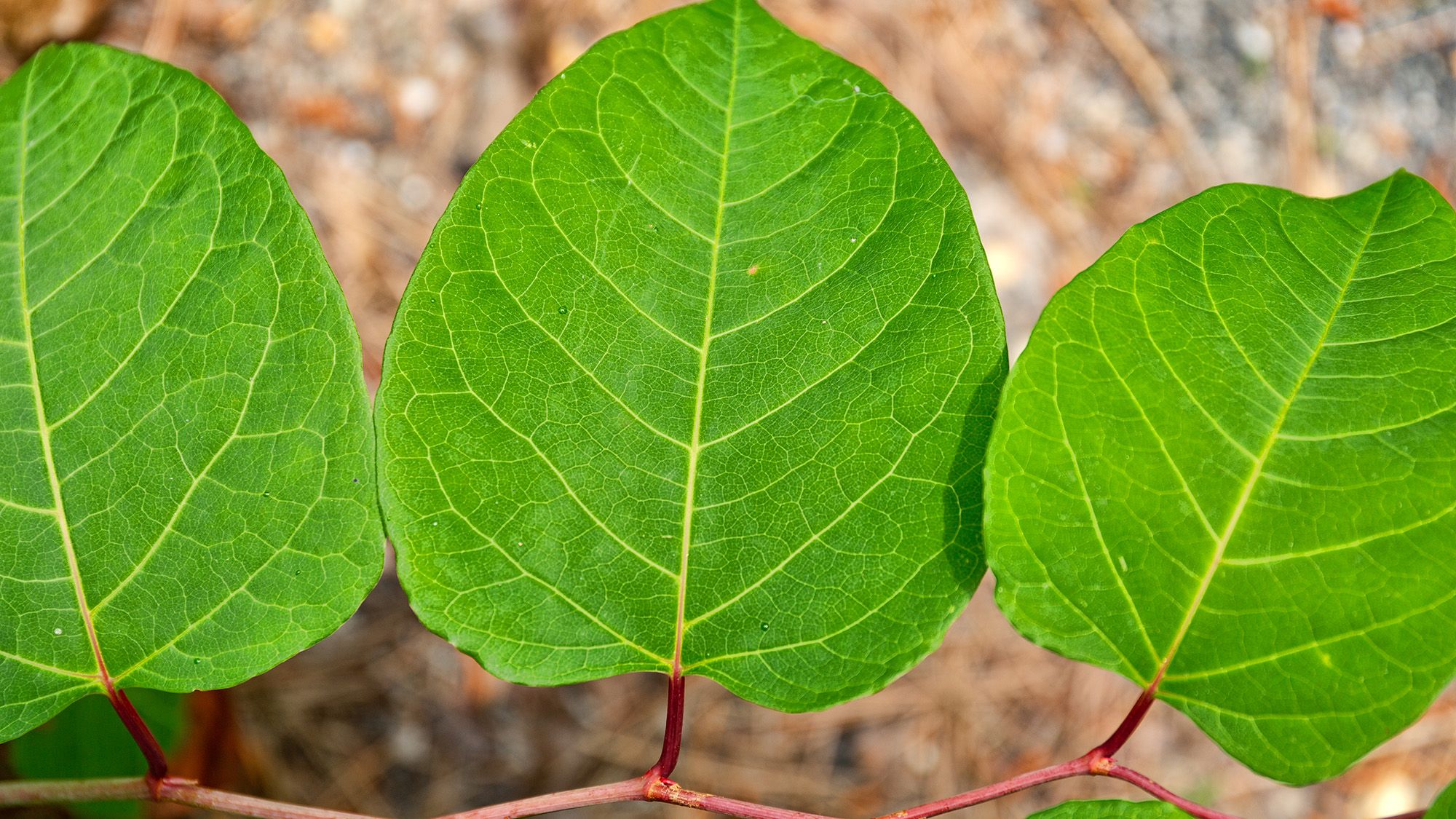
(Image credit: Shutterstock)According to Jennifer Holmes, head of marketing and business development at Japanese Knotweed Ltd, homeowners shouldn’t assume that the hot weather has killed off Japanese knotweed — the invasive weed remains alive underground and will start to regrow once conditions improve.While other plants struggle to survive due to a lack of water, Holmes explains that Japanese knotweed’s extensive underground rhizome system allows it to store energy and withstand harsh conditions. She warns that a seemingly dead patch could be hiding a bigger problem beneath the surface.But why is it such a cause of concern? Helen Rolph, home insurance expert at Quotezone, says, "Japanese knotweed is a seriously invasive plant that can cause some real damage to homes and gardens, so it’s important people are aware of how to recognize it and what to do if it’s present on their property.”“Climate change is forcing plants into a ‘survival of the fittest’ mode, explains Holmes. “While other plants will struggle in the drought due to a lack of water, Japanese knotweed carries on almost unfazed!”Jennifer Holmes, Japanese Knotweed Ltd“Climate change is forcing plants into a ‘survival of the fittest’ mode, explains Holmes. “While other plants will struggle in the drought due to a lack of water, Japanese knotweed carries on almost unfazed!”Get instant access to breaking news, the hottest reviews, great deals and helpful tips.And she adds this headstrong weed can survive both prolonged heatwaves and sub-zero temperatures.She says many homeowners assume hot, dry weather will kill Japanese knotweed, but this is a common misconception. “Although the visible stems and leaves may show signs of stress — wilted leaves and stems — during periods of drought, the plant remains alive."The plant’s extensive rhizome system conserves and stores energy, allowing it to pick up where it left off when conditions become more favorable.Resilient non-native plants