SOURCE: ICRC 2018 REPORT.
Opportunities for Public-Private Partnerships in Nigeria’s Economy.
Nigeria’s infrastructure challenge is not simply a shortage of ideas. It is a shortage of capital, institutional capacity, and consistent execution. The government cannot single-handedly finance the infrastructure Nigeria will require over the coming decades. At the same time, private investors cannot be expected to finance projects that lack commercially viable revenue streams from the outset. That gap is where Public-Private Partnerships (PPPs) become critical. Nigeria has used PPPs for years, with notable examples across roads, ports, power, airports, and other infrastructure. But as fiscal pressures intensify, subsidy reforms reshape public spending, and development-finance institutions expand their support for infrastructure, PPPs are becoming less of an alternative financing mechanism and more of a central part of Nigeria’s development strategy. The opportunity is significant. The challenge is ensuring that projects are properly structured, risks are allocated realistically, contracts are protected, and projects actually reach completion.
What Is a PPP and Why Does Nigeria Need It Now?
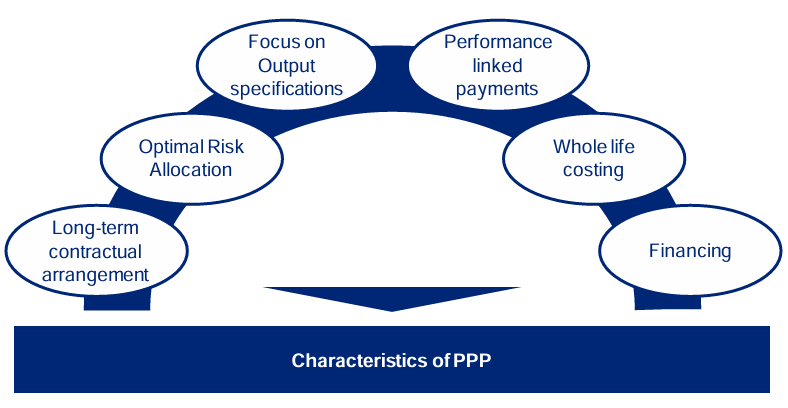
A Public-Private Partnership is a long-term arrangement in which government and a private-sector partner share responsibilities for financing, developing, operating, and maintaining infrastructure or public services. The private sector can provide capital, technology, expertise, and operational efficiency, while government provides regulatory support, land, public-sector coordination, and, where necessary, financial support to make projects commercially viable. Three pressures make PPPs particularly relevant today.