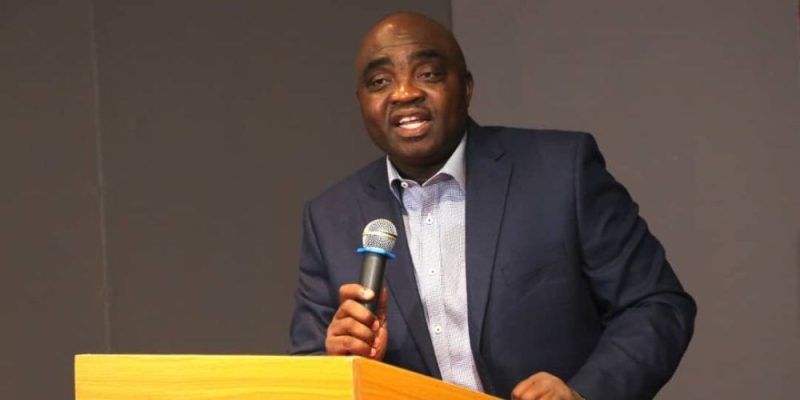
Nigeria’s infrastructure deficit remains a major constraint on growth, even as government faces limited fiscal space to fund critical projects. Against this backdrop, the Infrastructure Concession Regulatory Commission under Jobson Ewalefoh, is pursuing reforms to make PPPs faster, more predictable and capable of mobilising private capital for infrastructure delivery, writes James Emejo
For years, Nigeria’s infrastructure deficit has presented a paradox: The country has enormous development needs, yet the public purse alone cannot provide the capital required to close the gap.
That reality has made Public-Private Partnerships (PPPs) increasingly central to Nigeria’s infrastructure strategy. But attracting private capital is only one part of the equation. Investors need predictable rules, efficient approvals, transparent processes and projects capable of delivering value.
It is against this backdrop that the leadership of Dr. Jobson Oseodion Ewalefoh, Director-General of the Infrastructure Concession Regulatory Commission (ICRC), has assumed significance in Nigeria’s evolving PPP ecosystem.
As the federal government agency responsible for regulating and supervising PPP projects, the ICRC occupies a critical position between government institutions seeking infrastructure solutions and private investors looking for viable, bankable opportunities.