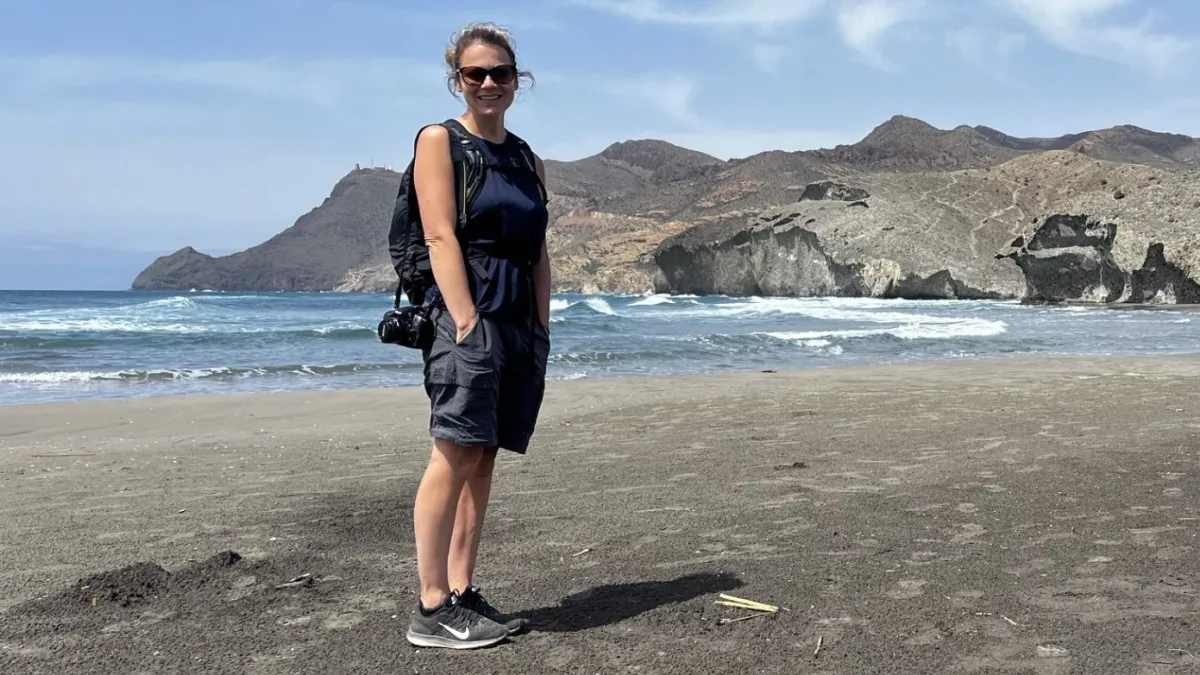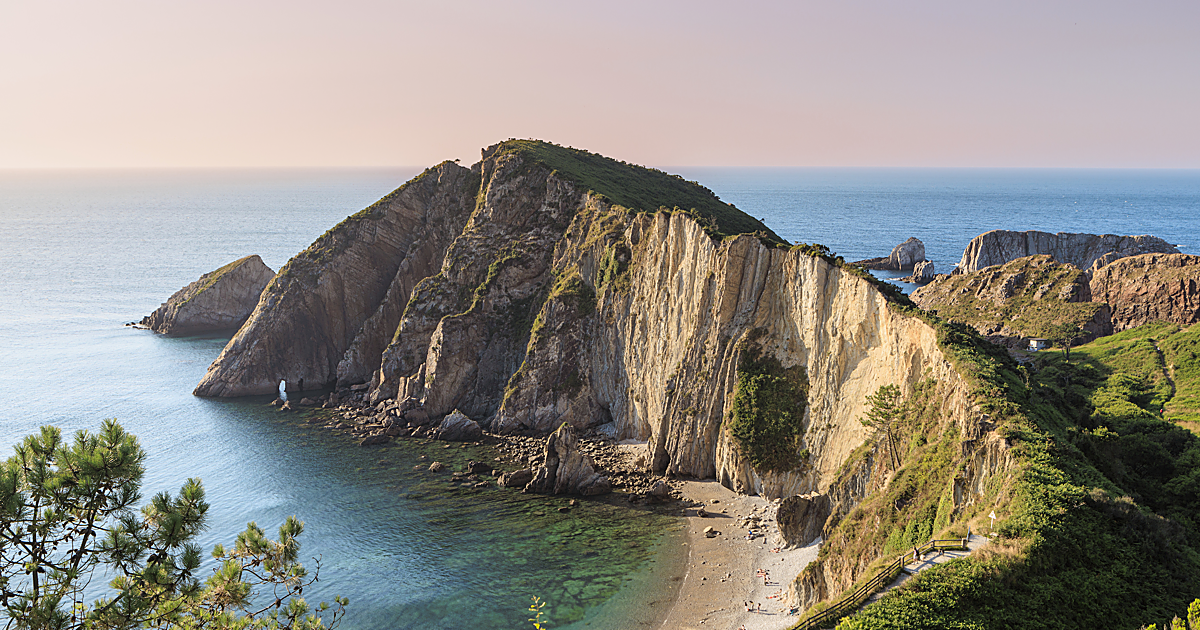
It’s a sunny Sunday at Cabo de Peñas, or Cape of Rocks, the northernmost tip of the Iberian Peninsula. Spiking into the Cantabrian Sea in Spain’s Principality of Asturias, these towering cliffs are an impenetrable tumble of gnarly limestone descending to sea arches and caves carved by the waves.
Along the top, sea pinks wave their pom poms, gorse bushes flame and butterflies cling to asphodels, while I watch families and couples stopping for selfies.
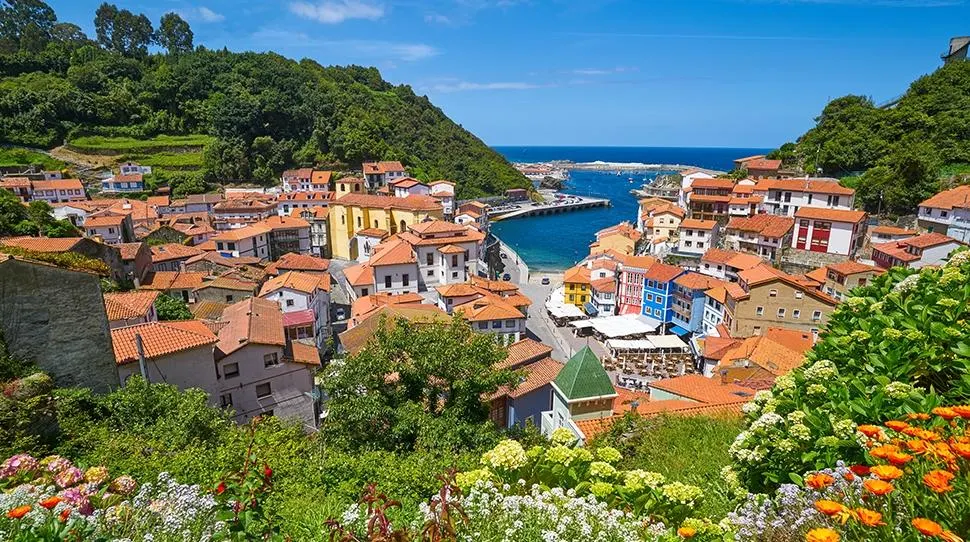
It seems fitting that this month’s solar eclipse passed over this stretch of lesser-visited Spain, renowned for its wilderness. Green Spain – as Galicia, Asturias, Cantabria and the Basque Country have collectively become known – is made for slow, sustainable travel and is no misnomer, as its swathes of forest prove.
Shorts
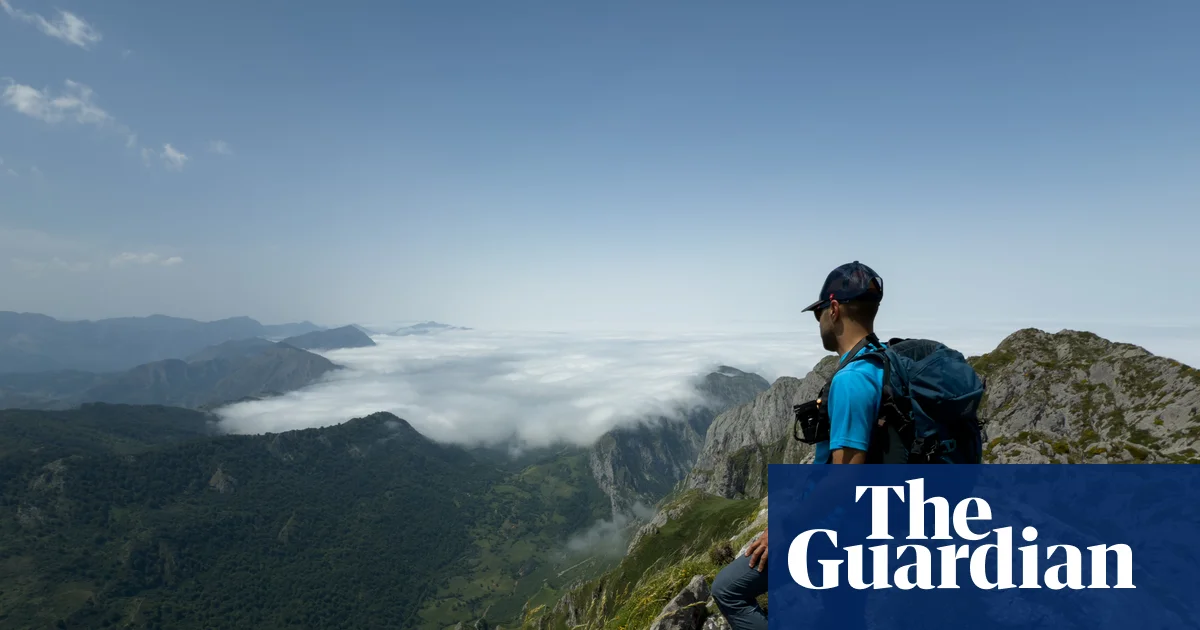
Having departed Cabo de Peñas, we ascend steadily into Somiedo Natural Park, a Unesco biosphere reserve since 2000, where mineral-striped peaks climb more than 2,000 metres skywards across five sharp valleys. In the park’s main town, Pola de Somiedo, there’s a noticeable sense of peace; cats lie languidly and a passing stream adds a trickling soundtrack to this settlement wedged between steep slopes.