If you control the world’s largest economy, as the US does, and if your enemy depends on exports to the West, as Iran does, it should hardly be a surprise when the big economy decides to use its commercial and financial leverage.
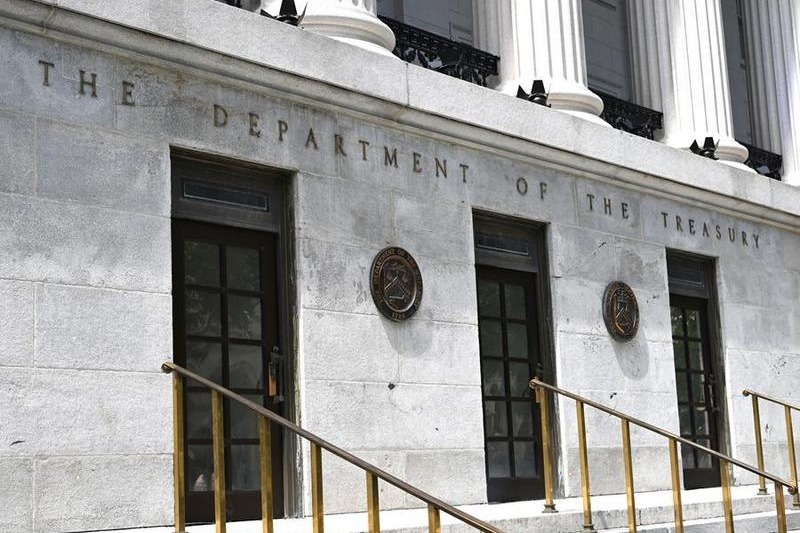
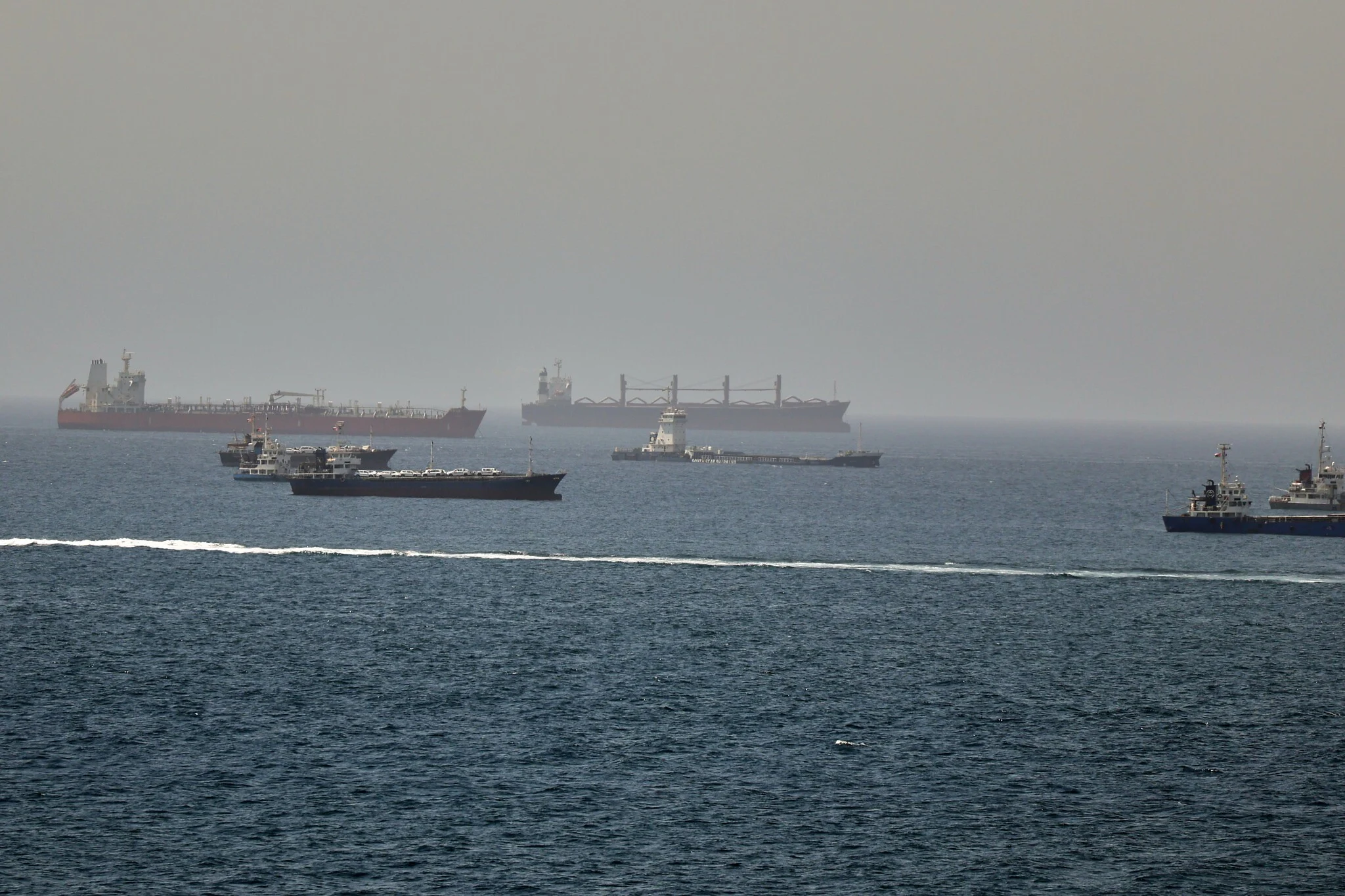
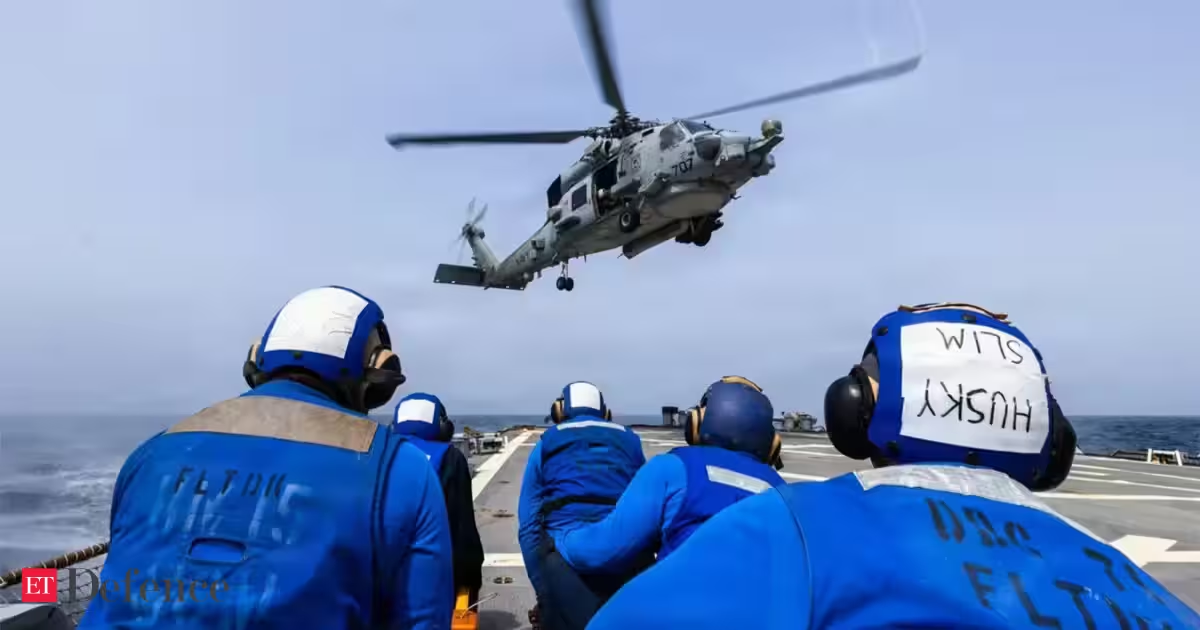
That is exactly what the US is doing – and this week it announced it would ratchet up the pressure substantially. Some sanctions were already in place, most notably restrictions on Iran’s oil exports, enforced by the US Navy. What’s new is that those sanctions will be supplemented by a full range of additional sanctions on commercial and bank transactions routed through third countries.
The sanctions themselves are not surprising. What is surprising is that the US had not implemented them long ago. Still, the Trump administration must feel “better late than never.” And better to try these economic tools than to resume major combat operations. That, at least, is the White House calculation.
What precipitated the increased pressure? Most likely it was President Trump’s recognition – and public acknowledgment – that negotiations with Iran had proved fruitless. Rather than resume a full-scale bombing campaign, Trump decided to turn up the economic screws.
What remains unclear is whether this harsher pressure is designed to get the IRGC back to the negotiating table (Trump’s stated goal for months) or precipitate full-scale regime change, which will require more than economic pressure? Neither goal precludes more military action. A US bombing campaign could resume at any time, but that is most likely to be triggered by a major Iranian attack.