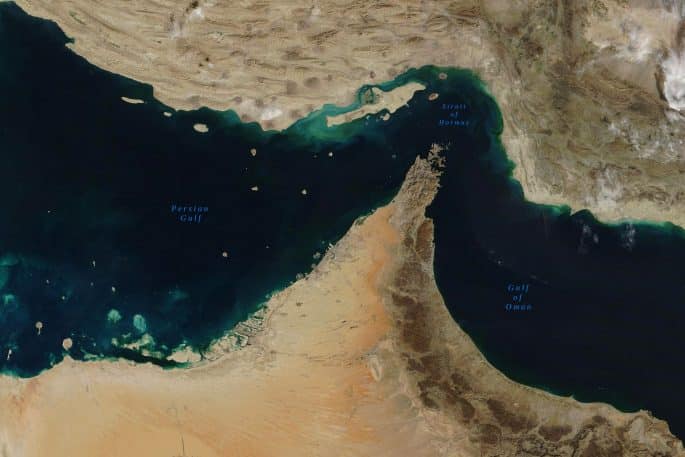
Routing shifts and US escorts challenge Iran’s control of key energy corridorLast updated: August 21, 2026 | 08:474 MIN READA screengrab showing shipping traffic around Hormuz Strait, based on Automatic Identification System (AIS) data as of Aug. 21, 2026. Iran’s long-claimed dominance over the Strait of Hormuz is reportedly eroding as most oil tankers reroute via the UN-authorised Omani corridor or switch off tracking to bypass Iranian oversight. US military protection, degraded Iranian naval assets, and growing alternative flows are reportedly weakening Tehran’s ability to dictate terms, though attacks, insurance costs and volatile prices show the crisis is far from over.Marine TrafficA MAJOR shift appears to be taking place in one of the world’s most strategic waterways, industry data shows. Marine Insight, citing shipping data from Brussels-based Kpler, reported on Thursday (Aug. 19) that over 80% of vessels are increasingly choosing routes closer to Omani waters, reducing their exposure to Iranian-controlled areas.Overall Hormuz shipping traffic is still sharply below pre-war levels and rising crude prices (Brent stood at $93.75 at 12.23pm Friday in Beijing) suggest markets remain skeptical.Iran stills raise security concerns, but the shifting shipping patterns could weaken Tehran’s practical control over how commercial vessels navigate the strait.Get it: Fast, verified news for FREE ... download the Gulf News app — simply click here And while Iran may not have completely lost its influence over Hormuz, oil is increasingly finding ways to reach world markets, while ships sail beyond its direct reach.The Policy Centre for the New South (PCNS), a Morocco-based think-tank, has also cited this new dynamic, suggesting that the Hormuz crisis shows a global political economy "fragmenting” as energy markets, trade routes, and financial systems adjust “through volatility, rerouting, and segmentation.”“Maritime chokepoints, energy corridors, and trade routes were expected to remain operational even during crises — not by legal guarantee, but through a shared understanding that systemic disruption would impose prohibitive costs on all parties. The partial closure and militarisation of Hormuz shows that this equilibrium no longer holds,” PCNS stated.What latest shipping data shows
Is Iran losing its grip on the Strait of Hormuz? What ship-tracking data show
Routing shifts and US escorts challenge Iran’s control of key energy corridor
1,120 words~5 min read