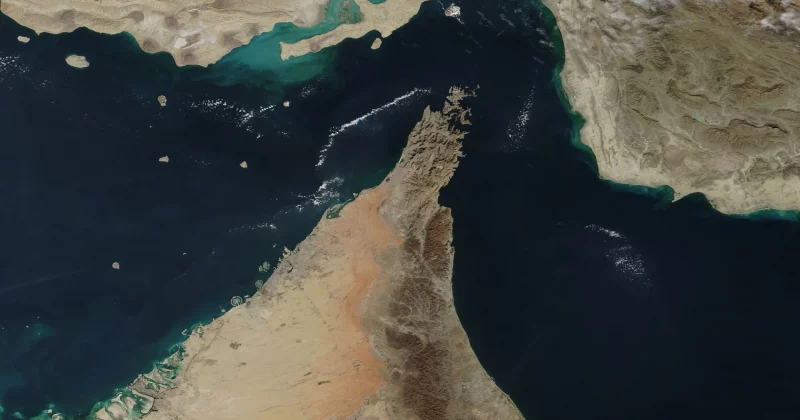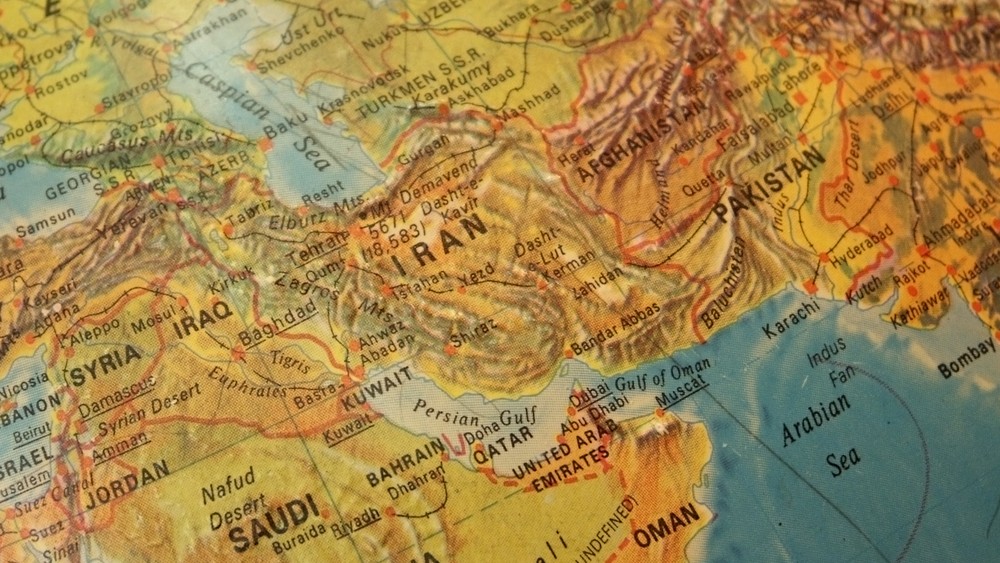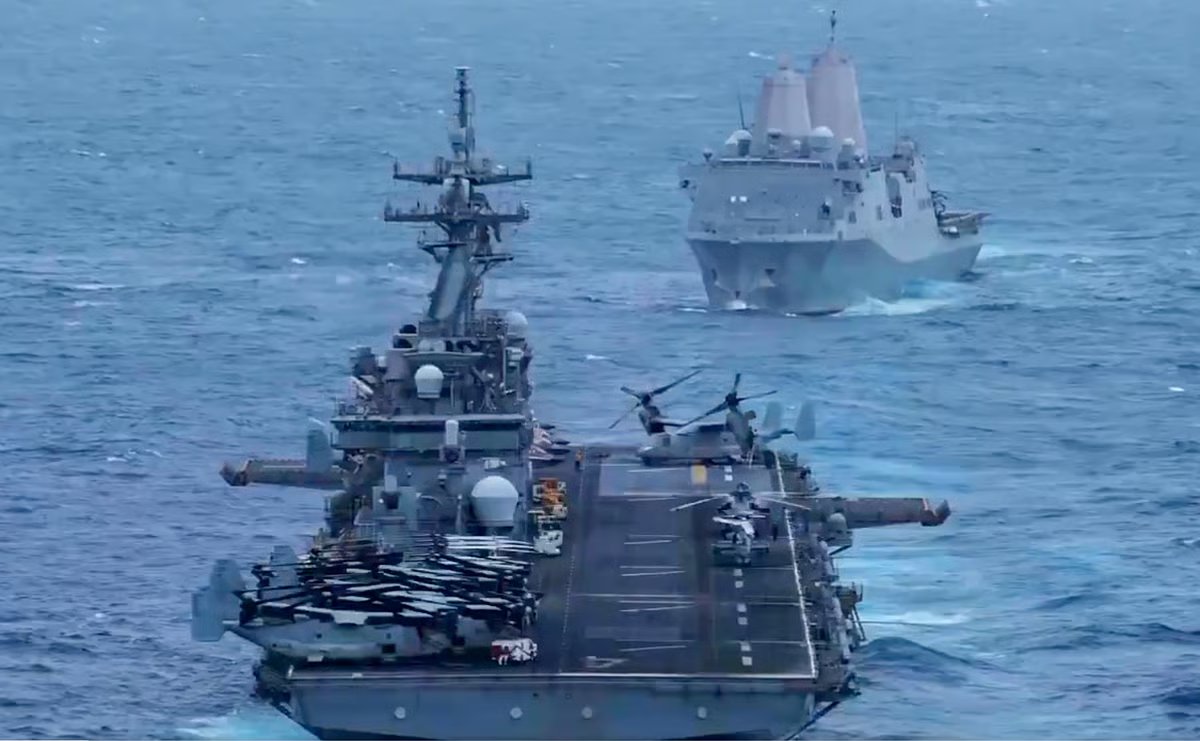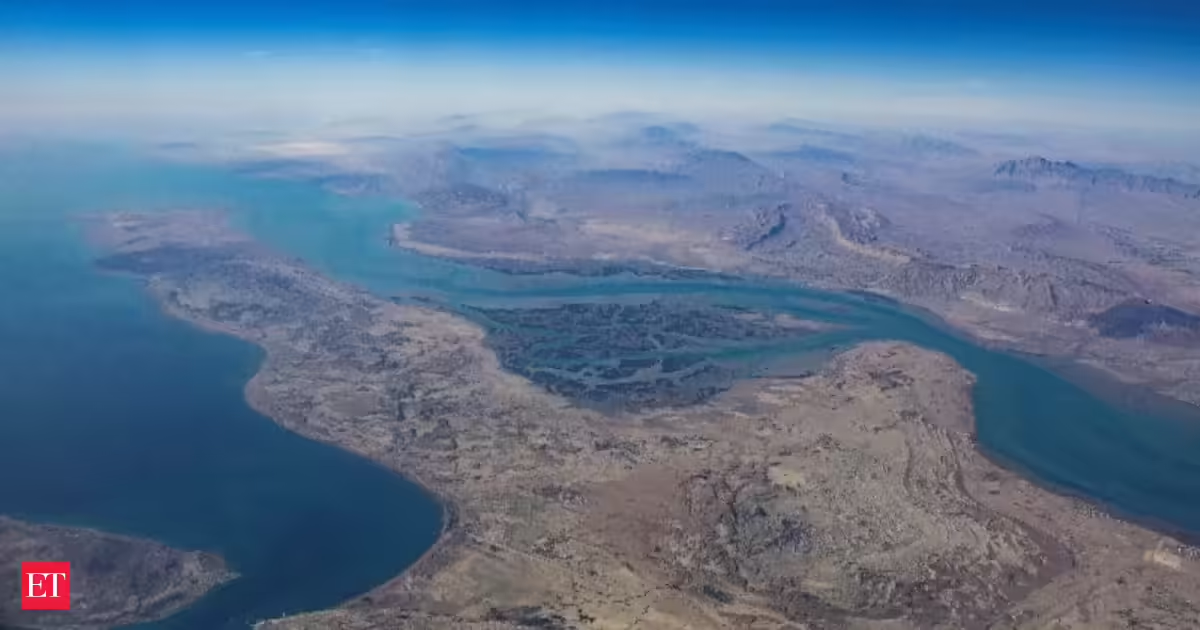
Iran and the United States are doubling down on competing claims of control over the Strait of Hormuz, but the reality is more nuanced than either side is willing to admit.
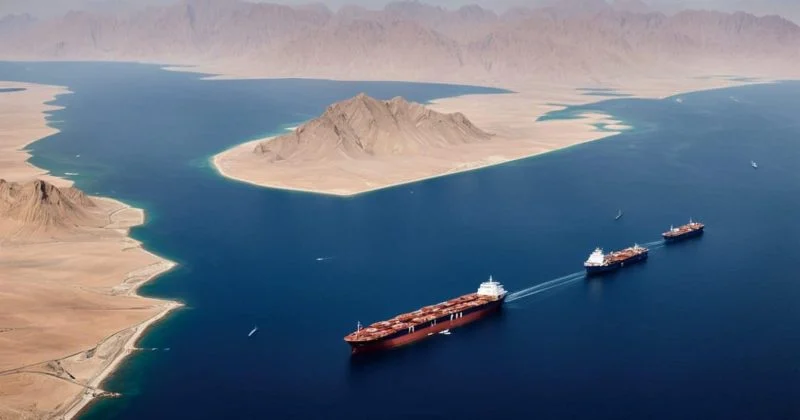
Shipping traffic remains severely restricted, demonstrating that many shipowners are not willing to risk a possible Iranian attack and underscoring Tehran’s ongoing leverage over Hormuz.
Vessel crossings amount to a tiny proportion of the 130-odd daily transits before the war, often barely reaching double digits. When it comes to crude oil-laden tankers, on average, only about two to three Very Large Crude Carriers, or VLCCs, have transited the strait every day since July 7, according to Kpler, which tracks ships using transponders and satellite data. That compares with roughly eight VLCC transits daily before the war.
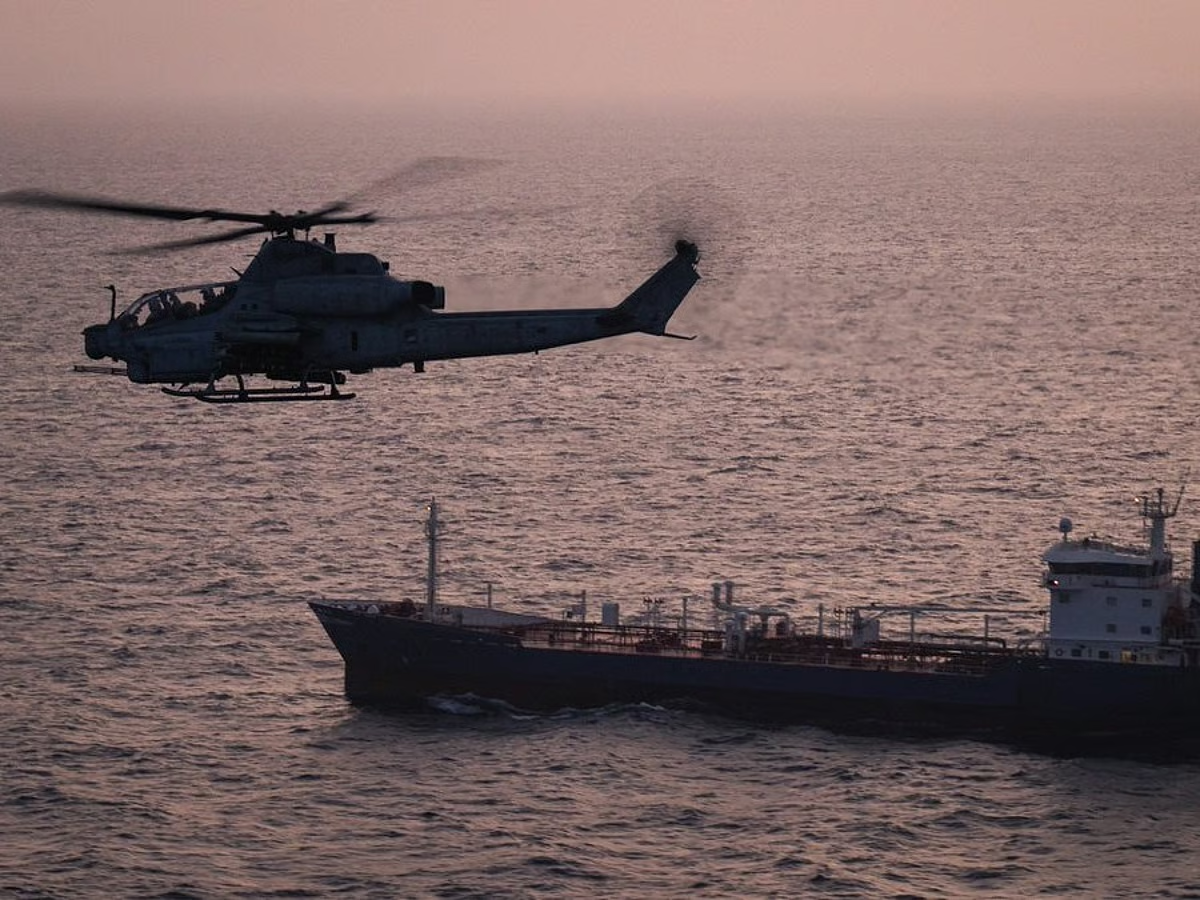
Yet despite fewer transits, increasing volumes of oil are bypassing the strait altogether or relying on US protection and ship-to-ship transfers to move oil covertly out of the Persian Gulf.
A leaky Hormuz blunts Tehran’s newfound energy weapon, while also alleviating some of the pressure on crude prices, and hence gasoline prices, buying US President Donald Trump more time to prolong the current standoff in the hopes that Iran backs down.