Story audio is generated using AI
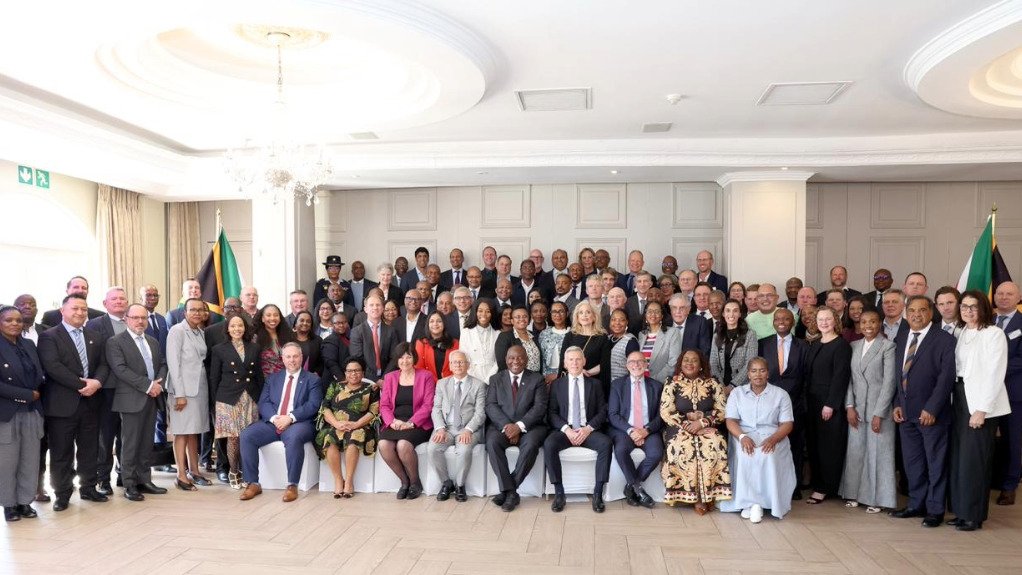
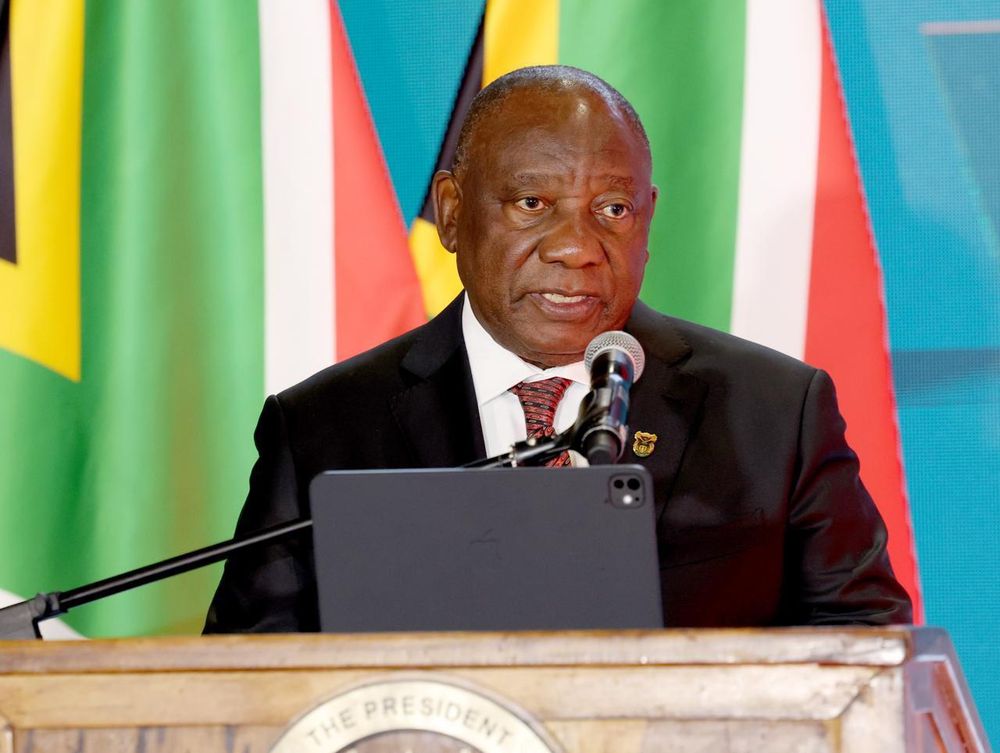
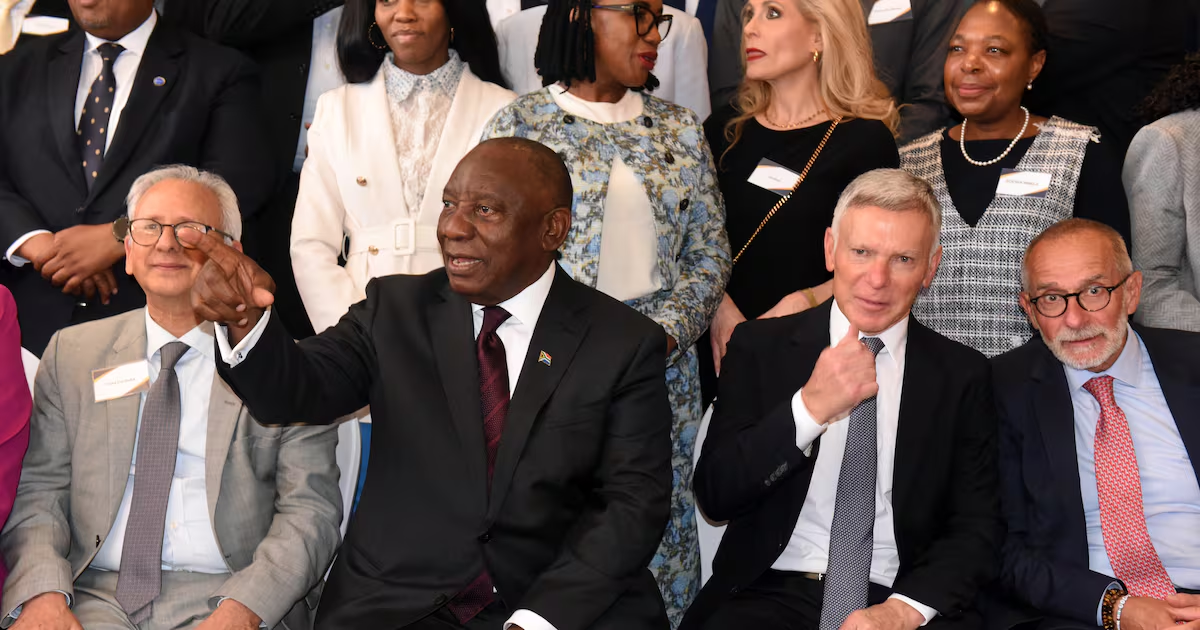
Business and government leaders have added four new work streams to a partnership aimed at lifting economic growth above 3% a year, expanding a programme that started three years ago with energy and logistics into mining, tourism, infrastructure and agriculture.Phase 3 of the Government-Business Partnership aims to create a million jobs by 2030. Launched by President Cyril Ramaphosa, it transitions from fixing foundational crises to scaling growth, focusing heavily on mining, agriculture, tourism, and infrastructure, and is designed to convert recent economic stabilisation into faster growth and job creation. South Africa has posted six consecutive quarters of growth, the longest run since 2017 and 2018, and has received credit rating upgrades from S&P Global and Fitch Ratings, as well as an improved outlook from Moody’s. (Dorothy Kgosi) It is also benefiting from a stronger rand and cooling inflation. Yet, GDP grew just 1.1% in 2025, extending a decade of growth below 1%, and the unemployment rate climbed to 33.6% in the second quarter, according to data from Stats SA earlier this month, leaving 8.5-million people without work.With growth of less than 3%, the about 300,000 new work seekers each year outpace job creation, while years of growth at 5% would cut unemployment by about 1.9-million people.The partnership brings cabinet ministers and senior officials together with CEOs co-ordinated through Business for South Africa (B4SA) under a joint strategic oversight committee that meets quarterly with the president. The first two phases of the programme focused on energy and transport and logistics. Load-shedding has been halted after 335 days of rolling blackouts in 2023, Eskom has returned to profit for the first time in eight years, and Durban’s port has been named the world’s most improved.“What started as a platform to address multiple crises has evolved into a platform for growth and shared prosperity. This partnership has endured because our ambition for South Africa is strongly aligned,” Ramaphosa said at the launch in Johannesburg.“We both seek an economy that is growing, an economy that is creating jobs, and an economy that includes those who have been left outside it for too long. Through our efforts, our economy is again showing signs of sustained recovery. More rapid and inclusive economic growth is within our reach.”Phase 3, which was launched on Thursday, adds mining, tourism, infrastructure and agriculture and agroprocessing as targets for driving growth. The sectors were chosen for their economic weight, potential to scale and ability to absorb lower-skilled workers, particularly the youth.We both seek an economy that is growing, an economy that is creating jobs, and an economy that includes those who have been left outside it for too long.— President Cyril RamaphosaSouth Africa produces 77% of the world’s platinum group metals and ranks among the top five globally in gold, vanadium and diamond reserves, according to the strategy document. Mining contributes about 6% of GDP and 470,000 jobs, while tourism drew about 10.5-million visitors last year, contributing about 5% of GDP. More than R2-trillion in private energy and infrastructure investment is scheduled for the next decade.Adrian Gore, who chairs Business Leadership South Africa and is a co-convenor of the partnership, said the first two phases were about stabilising the economy, while phase three is narrower and focused on growth. The country’s mining, agriculture and tourism assets support growth of 3% to 5% a year, he said. However, he added that the new work streams will take time to filter through to the economy.WATCH | The partnership between business and government to lift SA's economic growth rate to 3% per annual had added four more work streams including infrastructure, mining, tourism and agriculture. pic.twitter.com/KLMd3fPwct— Business Day (@BDliveSA) August 20, 2026 A third pillar covers what the partnership calls confidence multipliers, which includes dealing with crime and corruption, local government failures, and building a national growth narrative. Youth employment runs through the programme as its own work stream and as a cross-cutting goal.The City of Johannesburg has been singled out for particular attention. Martin Kingston, co-chair of the partnership’s steering committee, said the city accounts for about 17% of national GDP and that 85% of South African companies have a presence or headquarters there, making it a bellwether for the country. WATCH | Minerals Council South Africa CEO Mzila Mthenjane on Mining being of the work streams for the third phase of the partnership between business and government. pic.twitter.com/NFcBY4GPtu— Business Day (@BDliveSA) August 20, 2026 Its trajectory has been deteriorating quickly, he said, and business wants a counterparty in city government that is competent, credible and has the authority to act. “We’ve identified CEO sponsors who’ve already stepped up to the plate and are prepared to lead from the front. We’ve got the resources in place. There are many areas where we think we can make a difference, but we can only do so under the right circumstances and at the right time,” Kingston told Business Day.Business Day