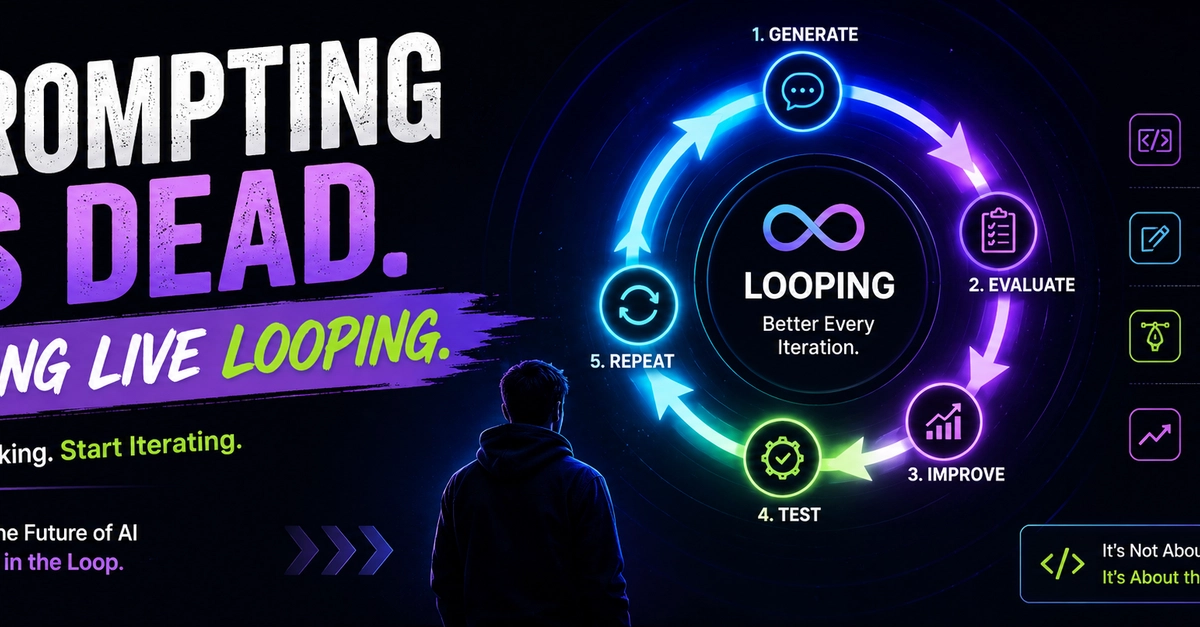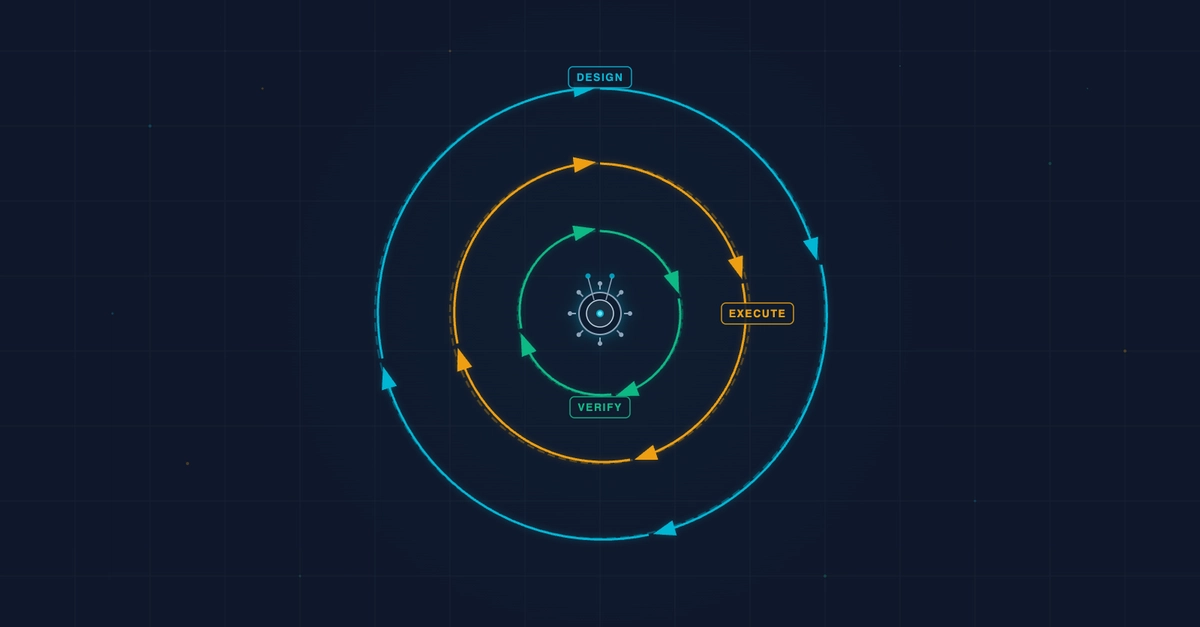
Most AI game demos focus on generation. Aurey AI puts more attention on the loop around generation: describe an idea, get something playable, react to it, and make another version. That loop is a better test of whether a tool can support actual creative work.
The input is deliberately incomplete
The live Studio starts with one large prompt field. It asks for a feeling, story, or rule in ordinary language. The examples are short: a cat collecting stars before sunset, a one-button garden game, a spaceship following strange signals.
There is no pretense that the first prompt is a full game design document. The page says everything can change after the first version. This is sensible because many design decisions are hard to make before the player can move. Jump height, pacing, and the density of obstacles are easier to judge in motion than in prose.
The visible create a game with AI flow contains the idea field, a creation action, prompt examples, and a personal games area. I checked the signed-in page but did not run a fresh production generation during this review. That means I can describe the interface and intended workflow, not claim a measured generation time or a successful end-to-end result.