It’s risky to rehabilitate repentant insurgents
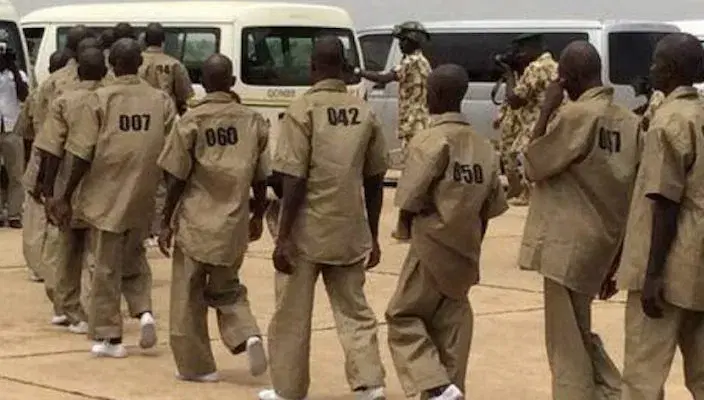
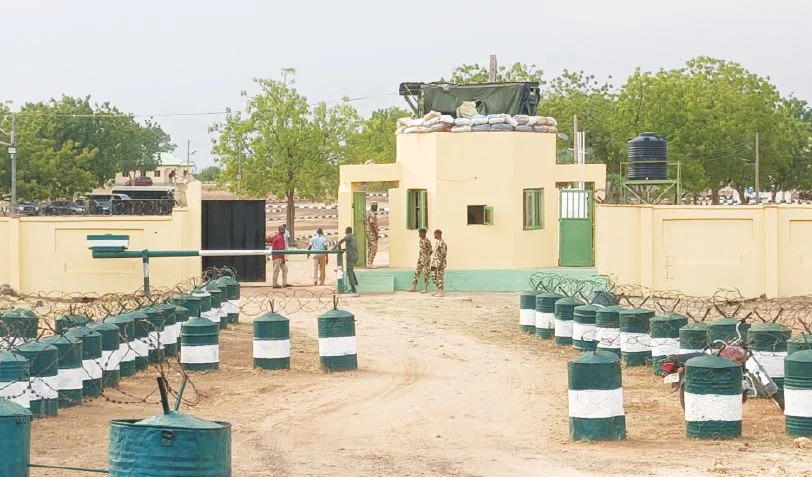
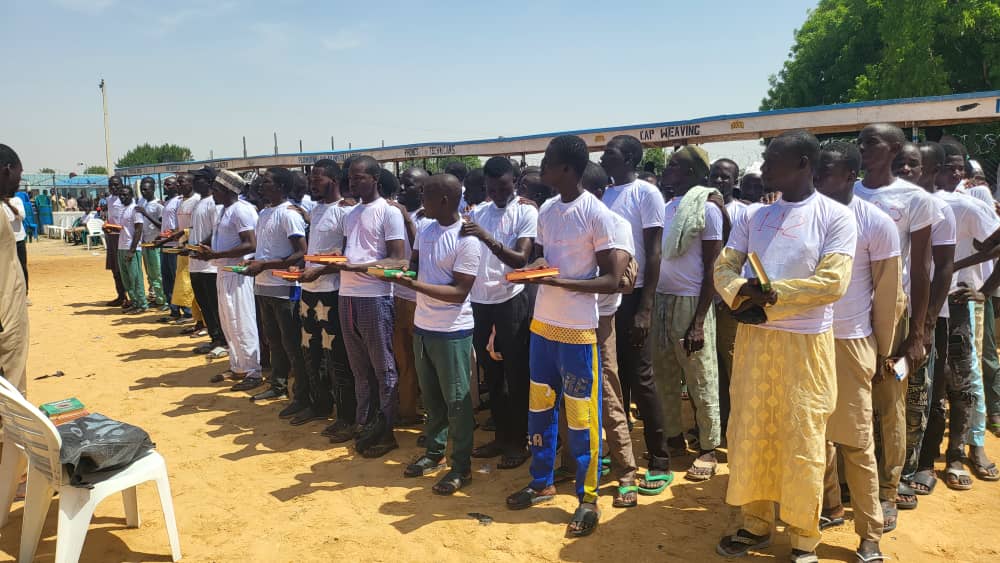
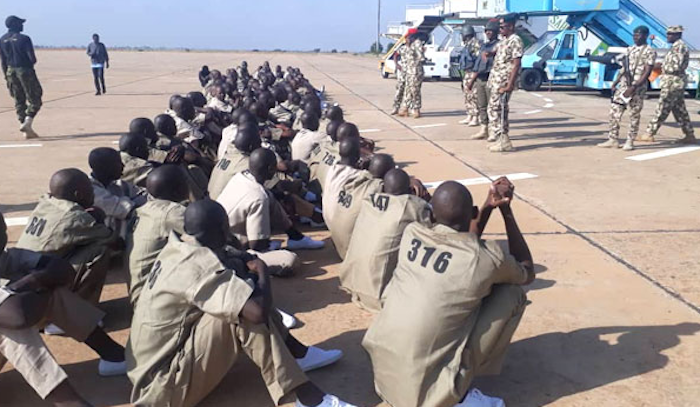
When in 2018 the military established a camp to ‘rehabilitate and reintegrate surrendered and repentant Boko Haram terrorist members’ via an exercise known as Operation Safe Corridor (OPSC), many Nigerians, including retired and serving military personnel, expressed their concerns. The fear was that these ‘repentant’ fighters could easily game the system by returning to the communities and reenacting their bloody orgies. Against the background of recent reports about the activities of some of these ‘repentant insurgents’, there is a growing consensus that the exercise be discontinued. This was part of the recommendations of a dialogue session in Abuja by the Institute for Peace and Conflict Resolution (IPCR). As many participants argued, rehabilitating ‘low risk repentant’ insurgents when the war had not ended is clearly counterproductive.
With the peace and security landscape becoming more complex and hydra-headed, the emerging threats have raised new conflict actors, according to participants at the IPCR session. Violence is not only recurring but has also gone beyond the traditional conflict zones. In some rural communities, banditry has built an illicit economy that is seemingly difficult to dislodge. Hence, the shift from conflict to criminality demands a change of tool-box, participants admonished. These new threats and others from the digital domain and social media, environmental pressures and illegal resource extraction (mining lithium for clean energy industries) deserve to be captured in a comprehensive national peace policy.