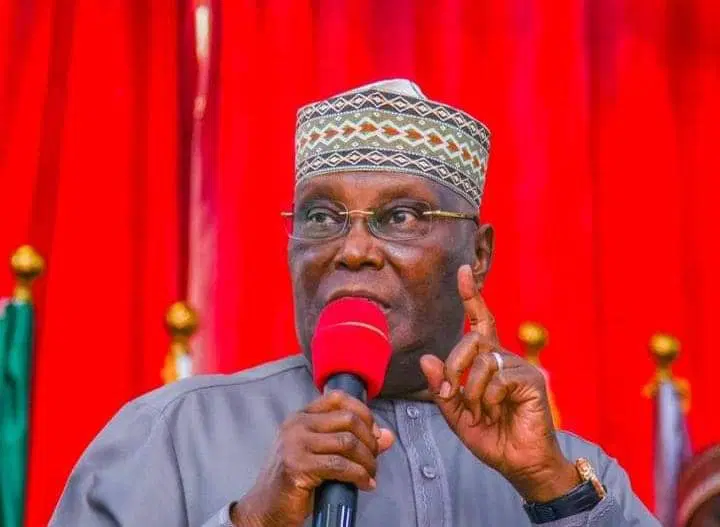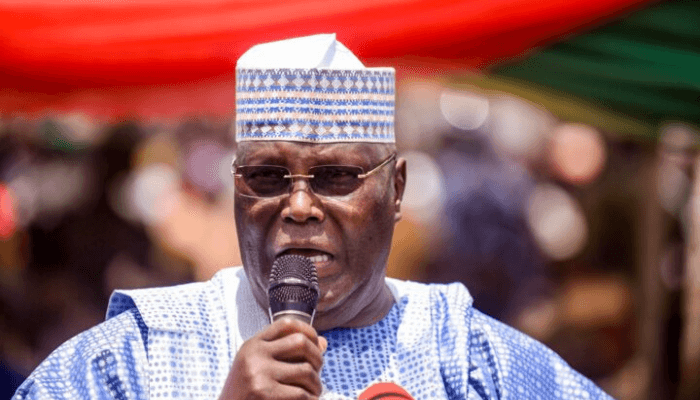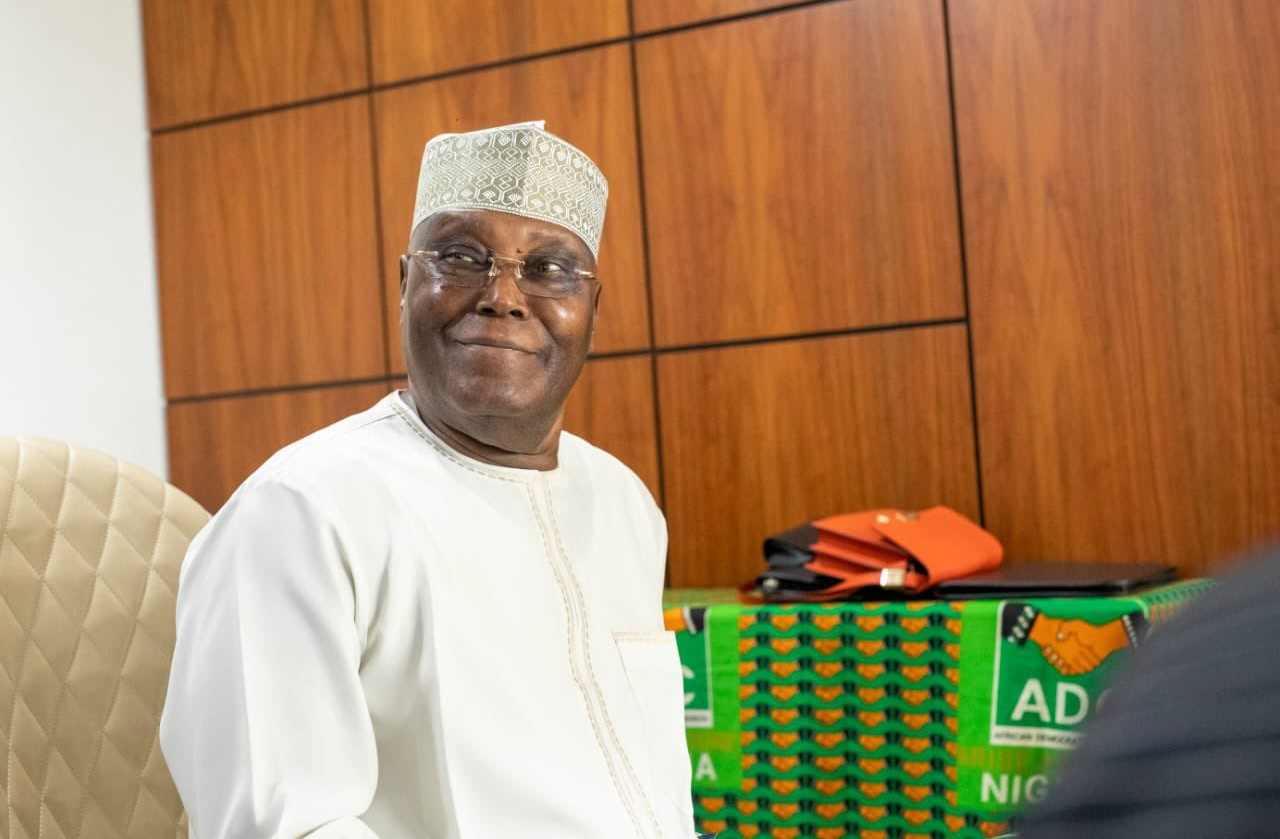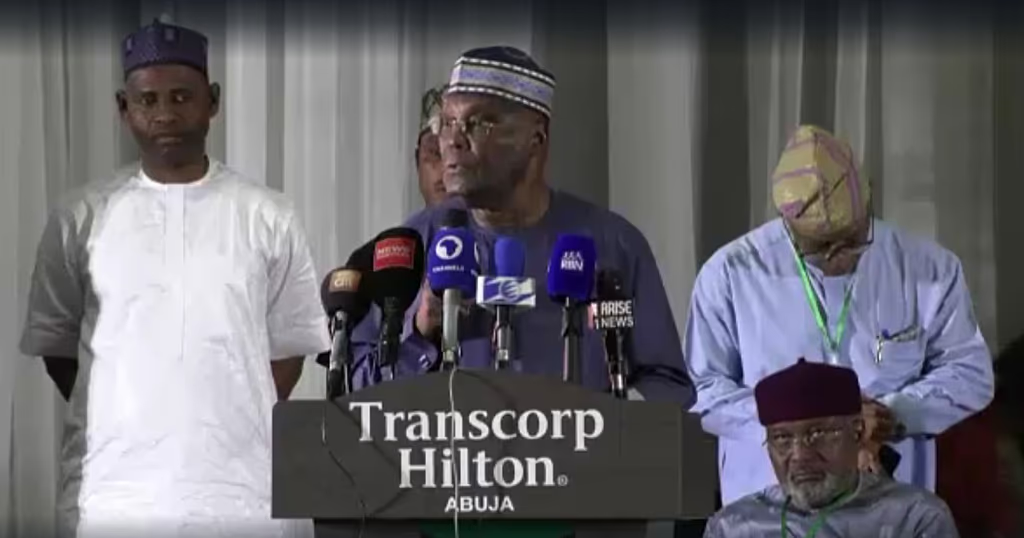
ABDULLAHI MATO UMARU contends that the ADC Presidential candidate is committed to a restructured and economically modernised Nigeria
For more than three decades, Atiku Abubakar has been a fixture of Nigerian public life – first as Vice President from 1999 to 2007, and since then as a presidential contender.
Supporters point to his tenure under former President Olusegun Obasanjo as the period when Nigeria’s modern economic architecture was built, and argue that his record deserves closer attention as the country continues to wrestle with ill-conceived trial and error reforms.
When Nigeria’s telecom sector opened to private competition in 2001, mobile phone penetration stood at less than 1%. Today, over 200 million lines are active. That shift, and others like it, trace back to a period of aggressive economic reform between 1999 and 2007, when Atiku Abubakar served as Nigeria’s Vice President.
Atiku’s tenure coincided with Nigeria’s transition to democracy and its push to exit decades of state control and debt. As Chairman of the National Economic Council, he became the face of a government team that bet on liberalization, privatization, and fiscal discipline.