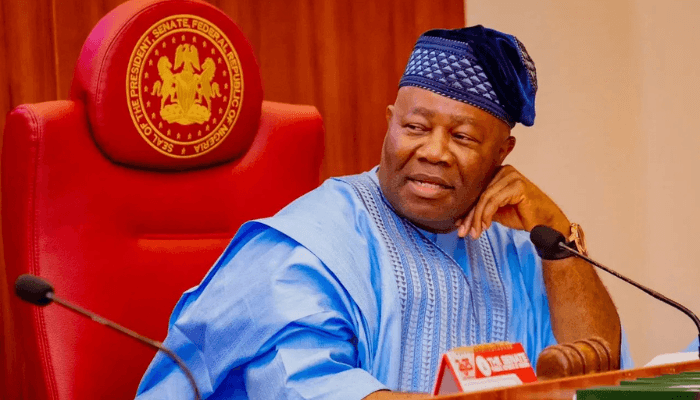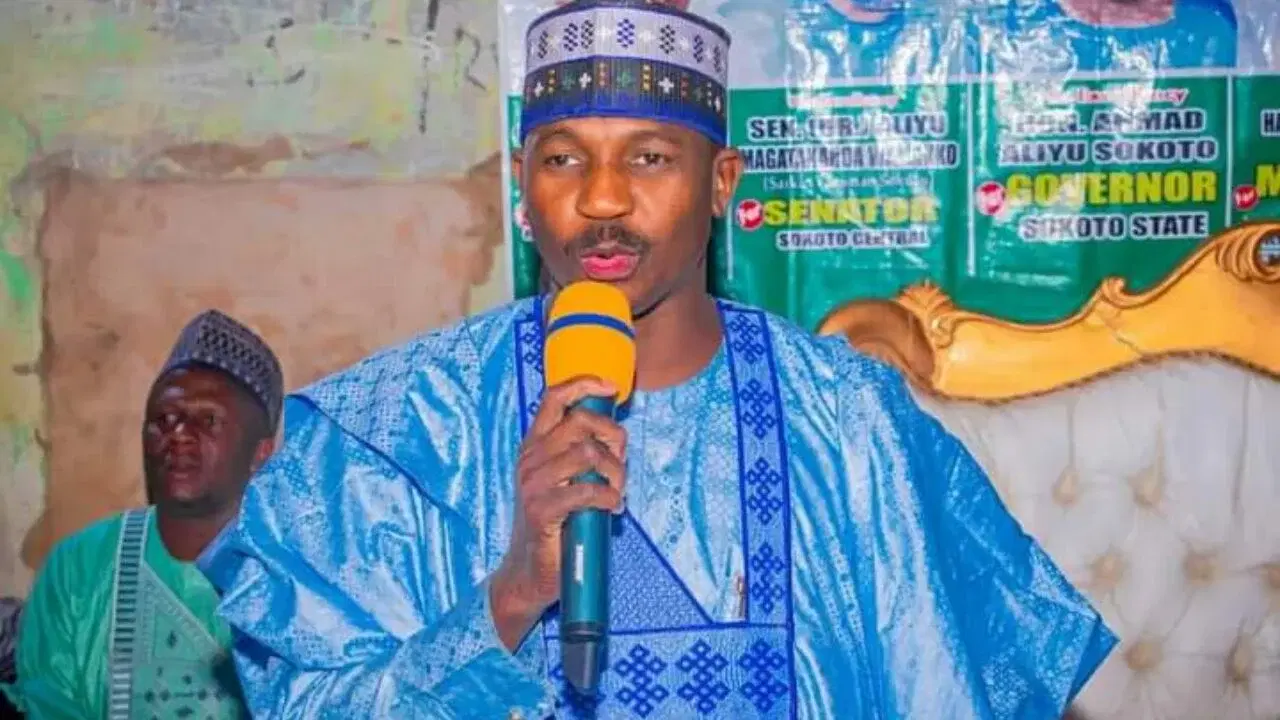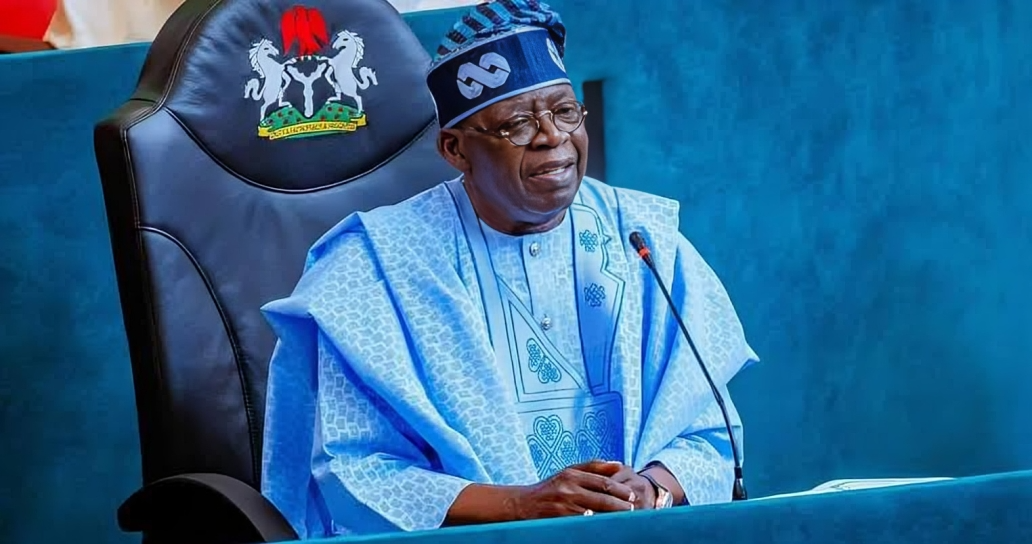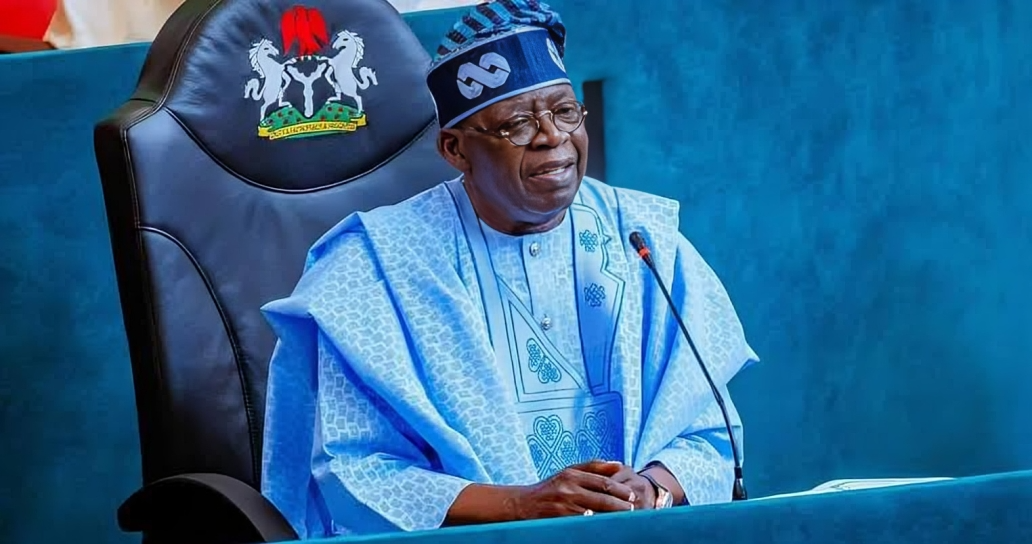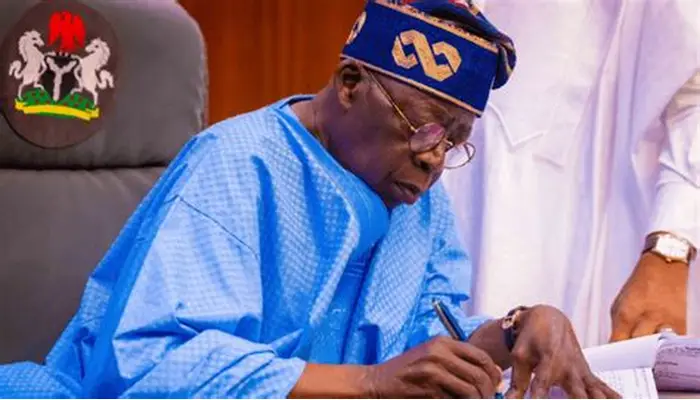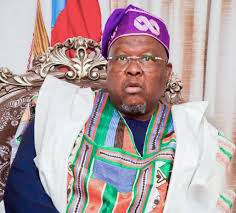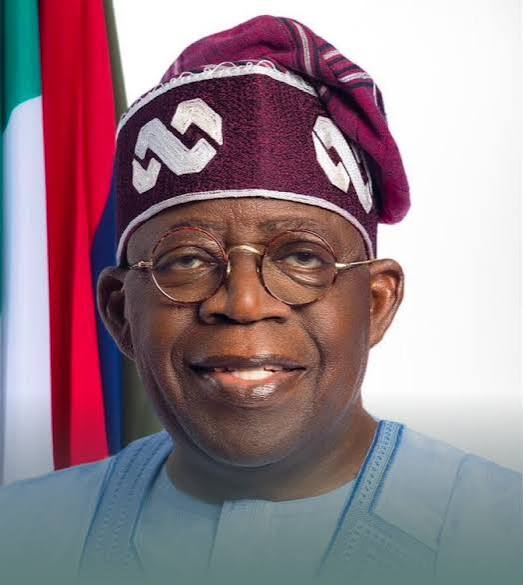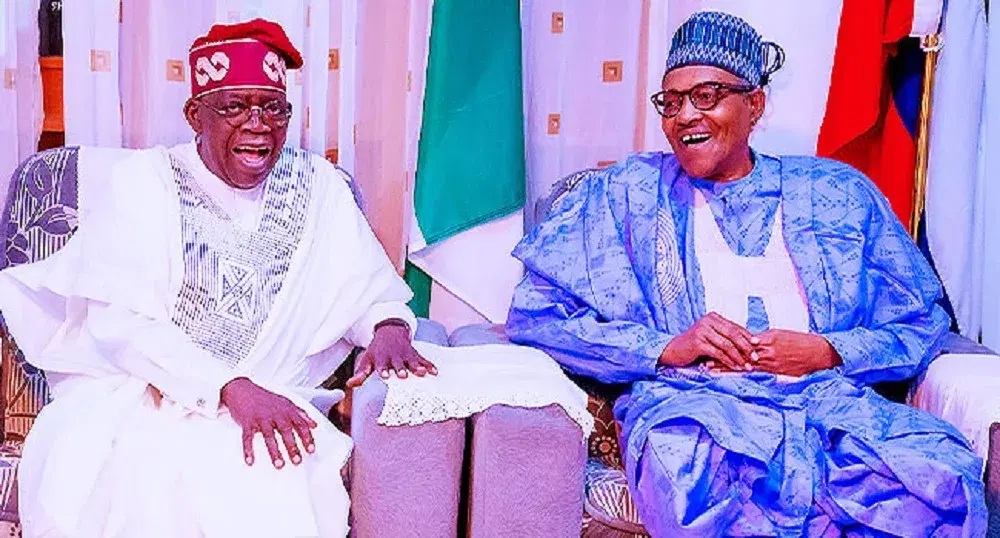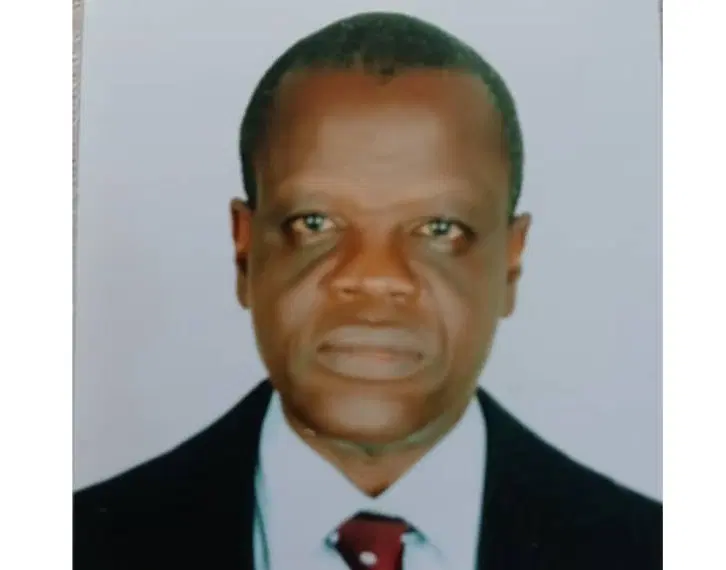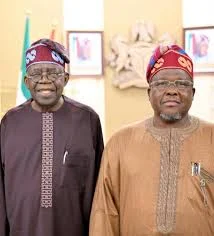
President Bola Tinubu and Alhaji Ibrahim Masari. CREDIT: State House
Ade Samuel is a political commentator
Every successful presidency depends not only on the vision of the elected leader but also on the quality of those entrusted with translating that vision into political reality. While ministers formulate policies and agencies execute programmes, political advisers perform a different but equally important function. They help maintain relationships, manage competing interests, anticipate political risks and ensure that governance remains connected to the realities of party politics. Within President Bola Ahmed Tinubu’s administration, Ibrahim Masari occupies one of those strategic positions.
The office of Senior Special Assistant to the President on Political and Other Matters is not one that naturally attracts public attention. Its work is largely conducted away from television cameras and newspaper headlines. Yet in Nigeria’s political system, where coalition-building, consultation and consensus are indispensable, such roles can carry considerable influence. The effectiveness of the office often lies not in public visibility but in the ability to foster dialogue, reduce tensions and support the political stability needed for governance.