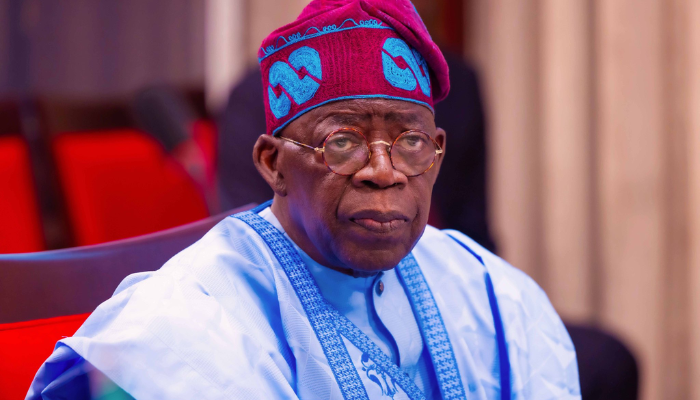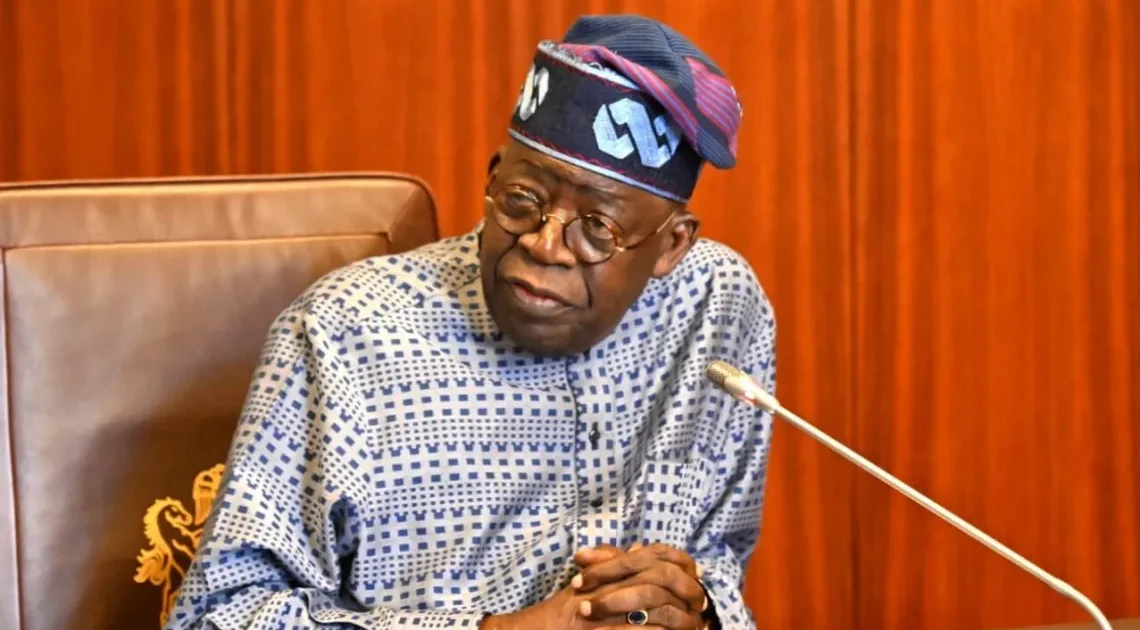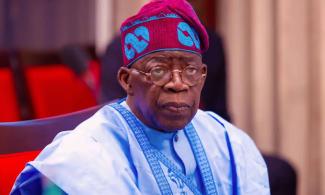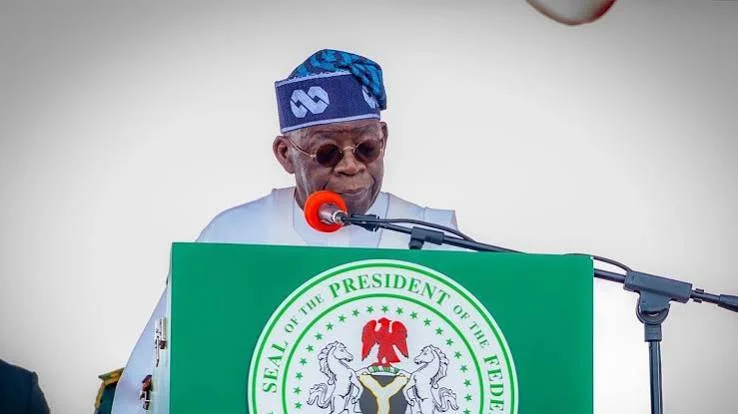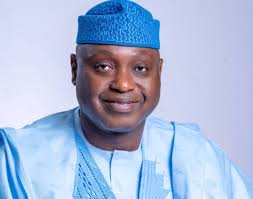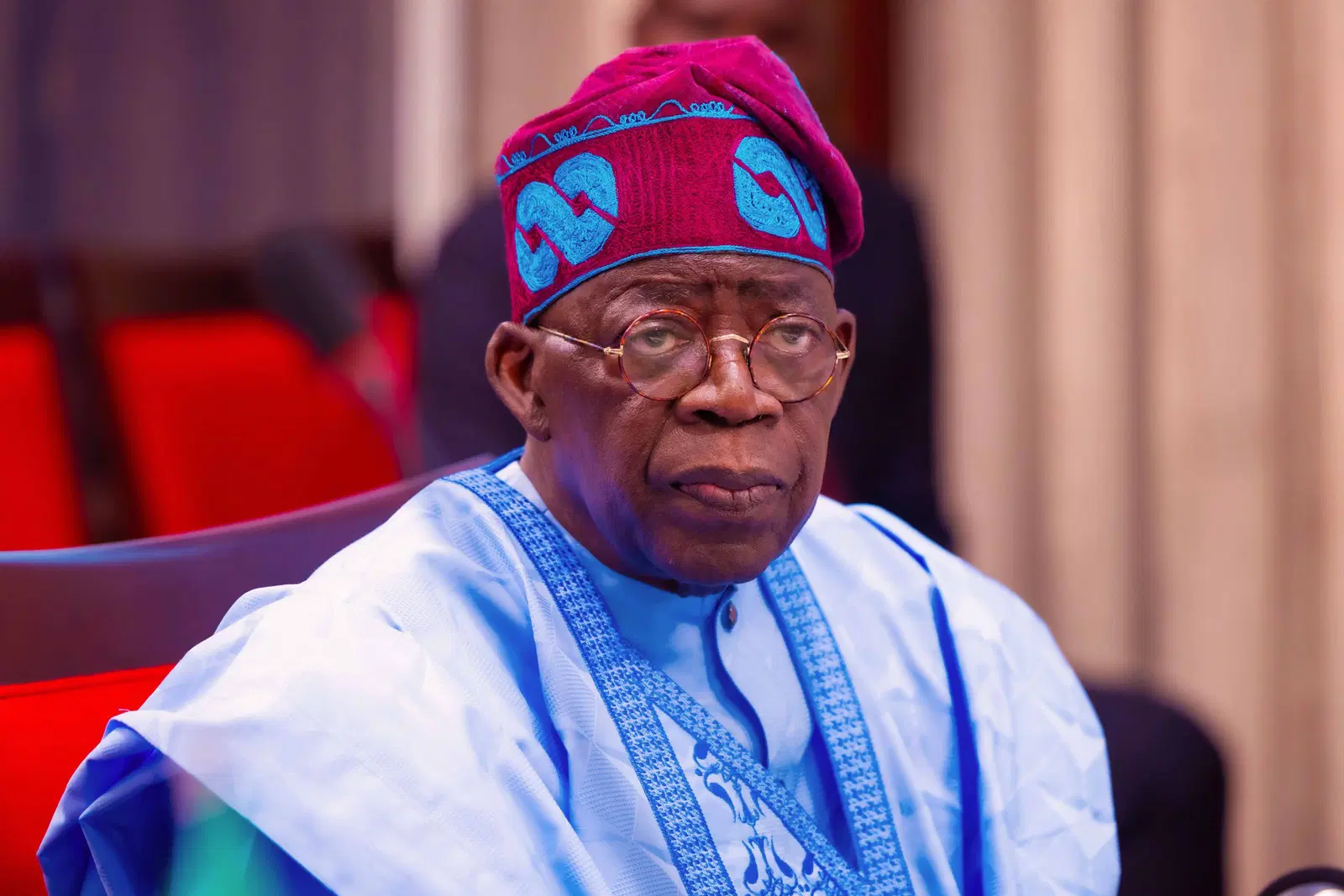
President Bola Ahmed Tinubu may have intended to offer straightforward governance advice when he urged state governors to focus less on grand infrastructure projects and more on addressing the immediate needs of ordinary Nigerians. Instead, his remarks may have ignited a much broader conversation, not only about governors’ priorities but also about the Federal Government’s own choices.
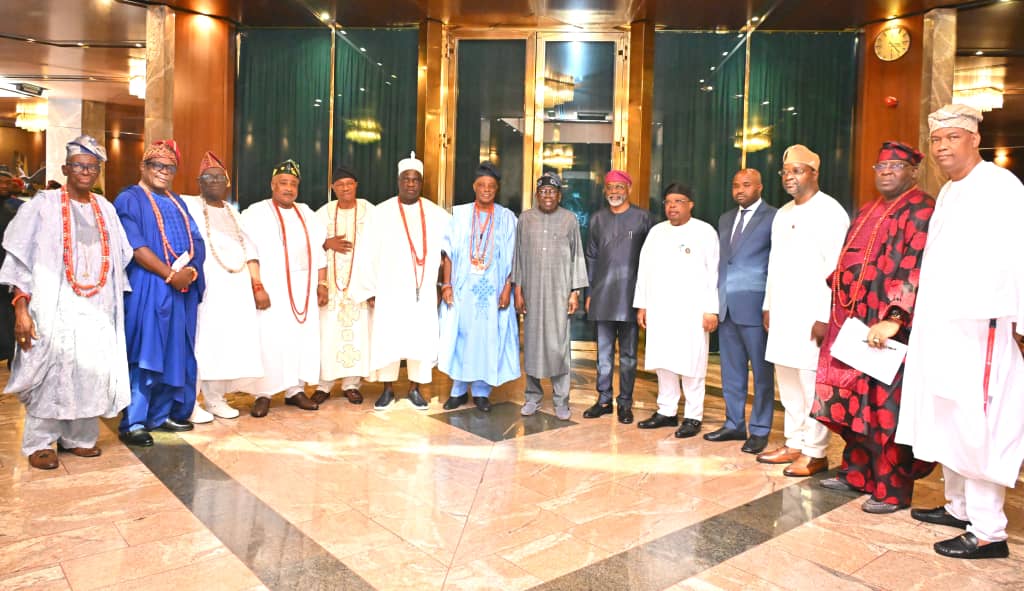
The President made the comments while receiving traditional rulers from Oyo State led by the Olubadan of Ibadanland, Oba Rashidi Adewolu Ladoja, who visited the Presidential Villa to thank him for the successful rescue of pupils and staff abducted from Oriire Local Government Area after nearly 50 traumatic days in captivity.
While commending the security agencies, Tinubu advised governors to devote greater attention to the “felt needs” of their people rather than projects that may be visually impressive but have little immediate impact on citizens’ welfare.
Although he mentioned no governor by name, many interpreted the remarks as an indirect criticism of Oyo State Governor Seyi Makinde, now one of the country’s leading opposition figures ahead of the 2027 elections.
That perception was reinforced by Makinde’s disclosure during the Oriire kidnapping crisis that despite the gravity of the situation, he had been unable to speak directly with President Tinubu, the Commander-in-Chief of the Armed Forces. The revelation exposed one of the enduring contradictions in Nigeria’s federal structure.