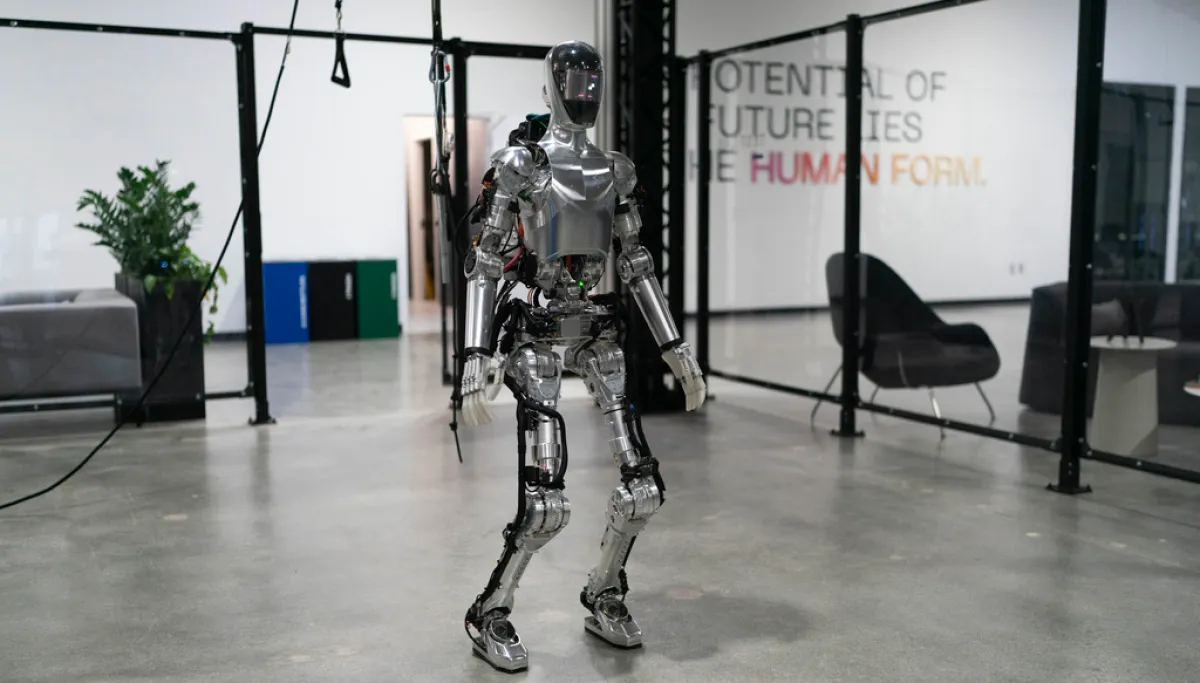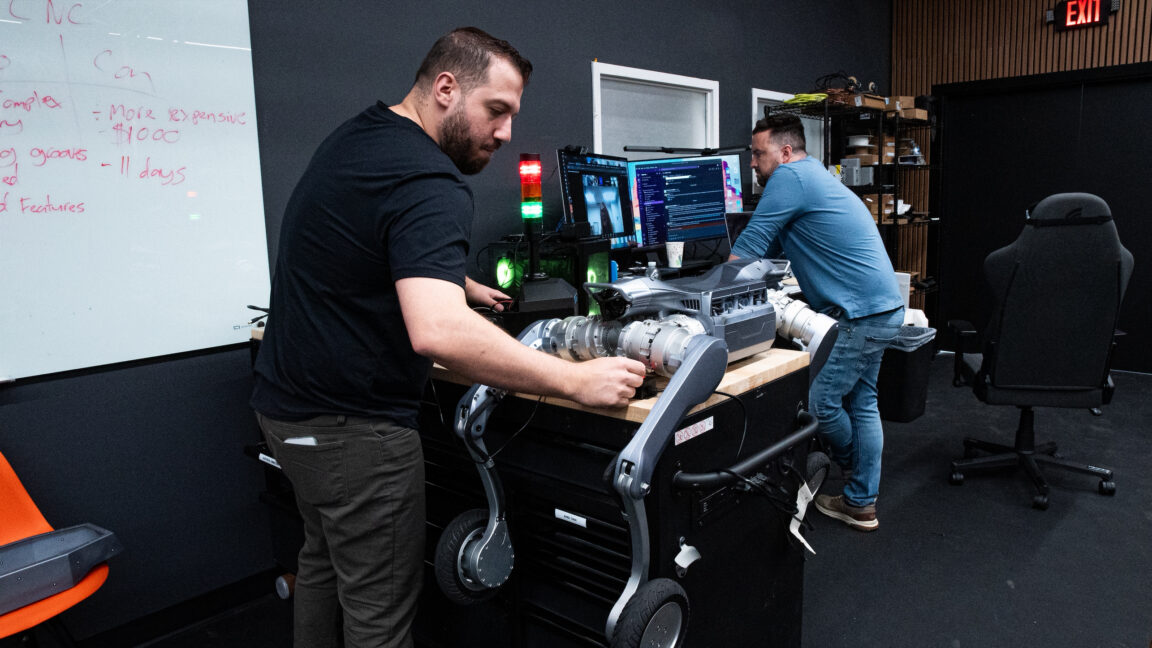
The team accelerated plans to open a robotics manufacturing facility as the US government moved toward restricting or banning foreign-made robots. US lawmakers introduced legislation such as the American Security Robotics Act in the Senate in March, followed by the GUARD Act in the House of Representatives in June.
The biggest development so far came in July, when the US Federal Communications Commission banned the imports of new models of foreign-made robots, including popular robot vacuum cleaners and Unitree’s humanoid robots and robot dogs. The move was justified along national security lines because of potential cybersecurity vulnerabilities, but also clearly geared toward encouraging companies to produce more robots in the United States.
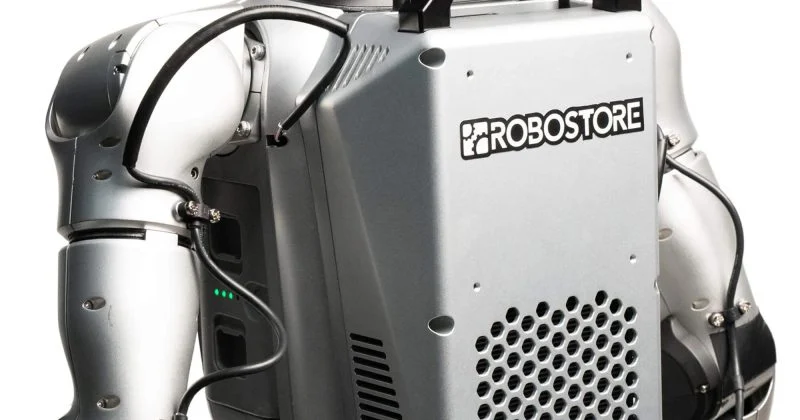
By that time, RoboStore had already shut down its distribution business while still promising to continue supporting customers needing parts, repairs, and upgrades for their existing robot models. The team’s focus shifted to developing robots and building out manufacturing capacity.
Working toward commercial robots
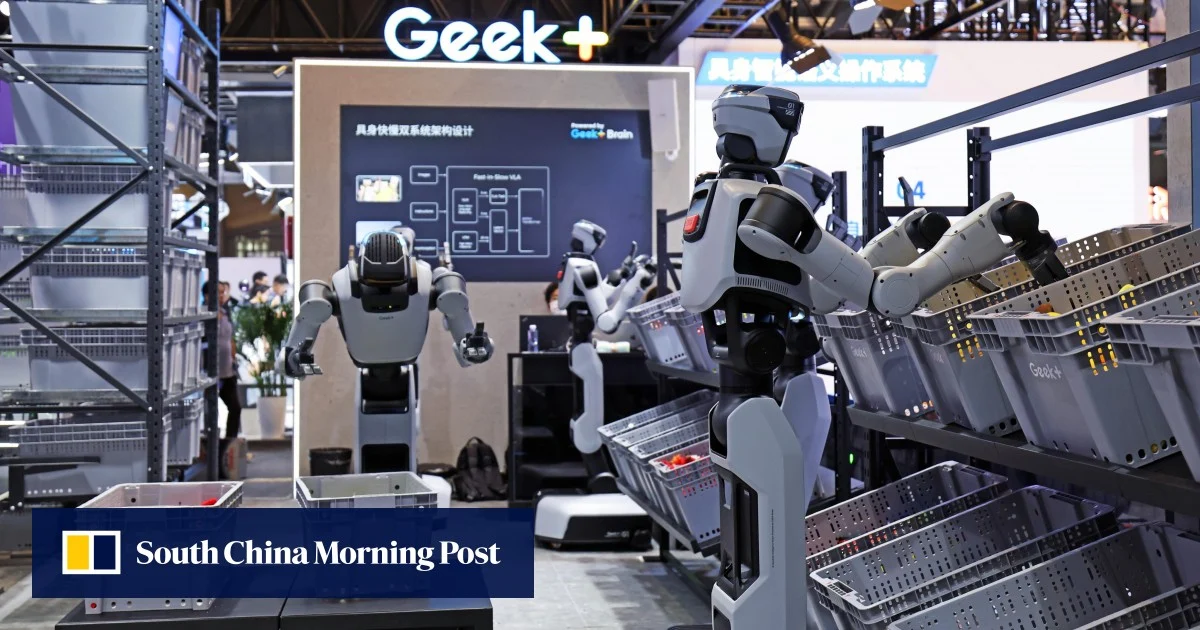
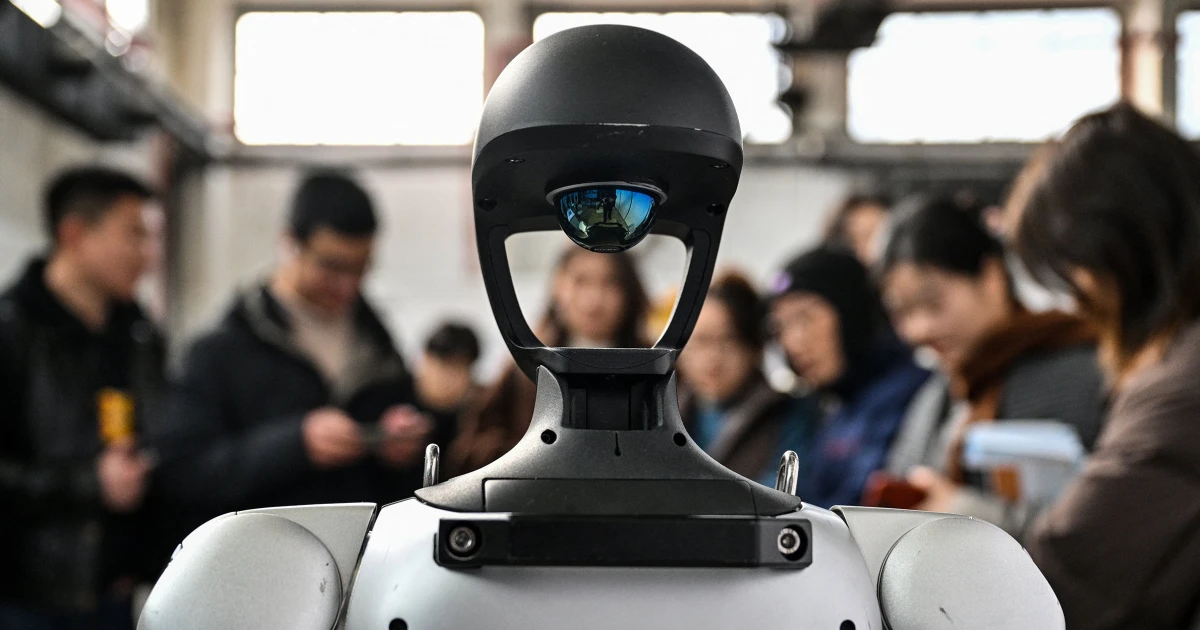
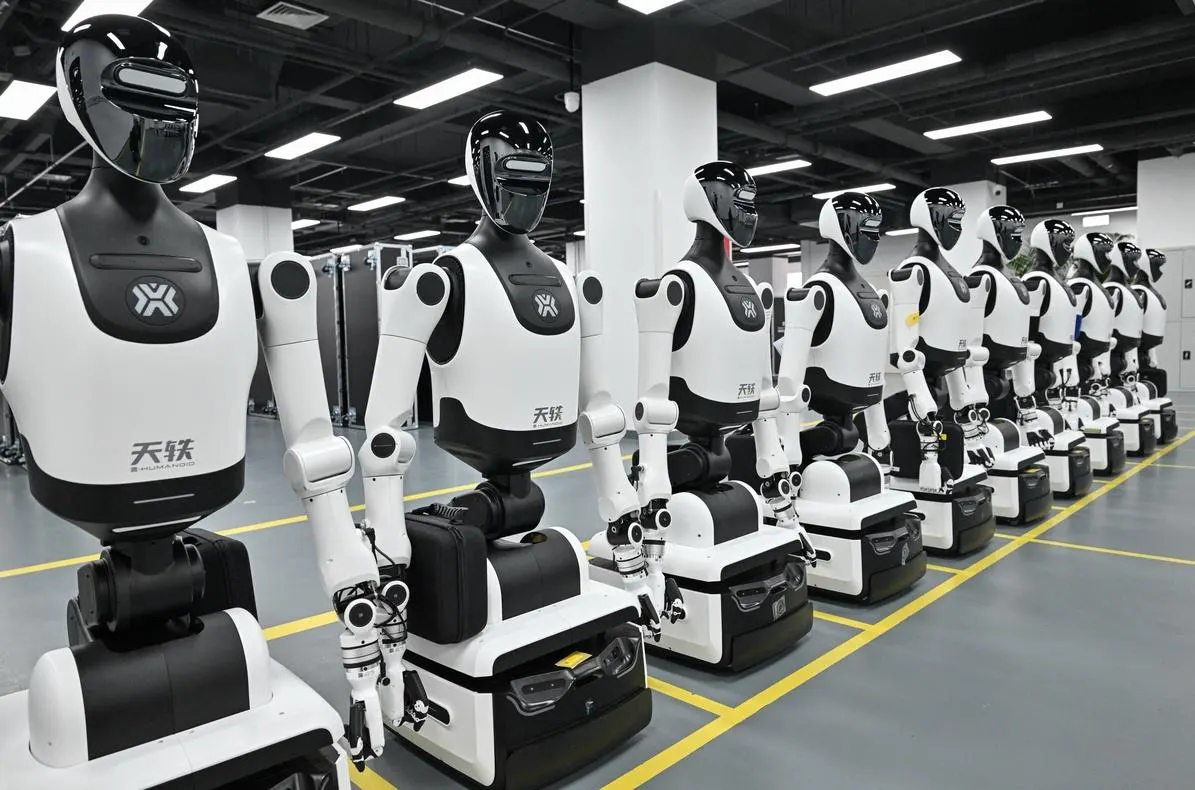
Under the Robo Inc. banner, the team is developing and testing several different robotic products. Those include a humanoid torso on top of a chassis with wheels that is designed for the healthcare industry and concierge services. Such a robot would come equipped with cameras and sensors to help take a patient’s standard vital signs, such as temperature and blood oxygen level.