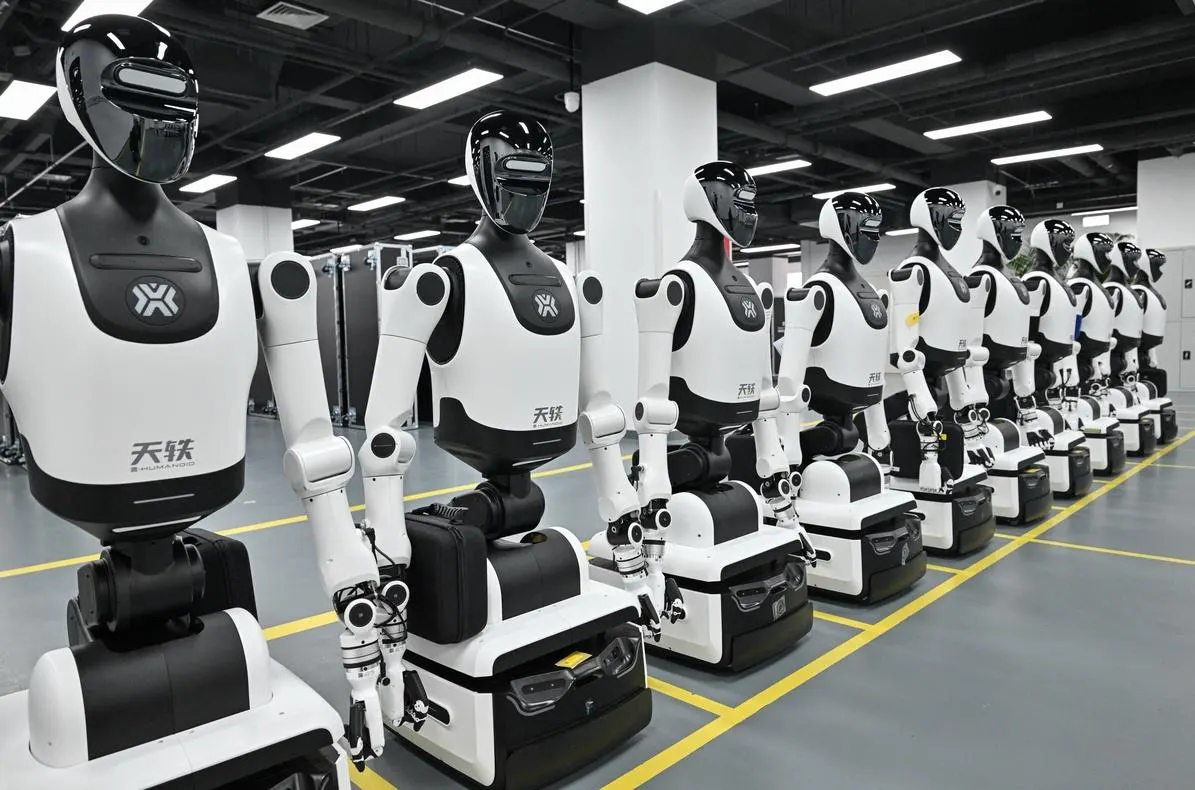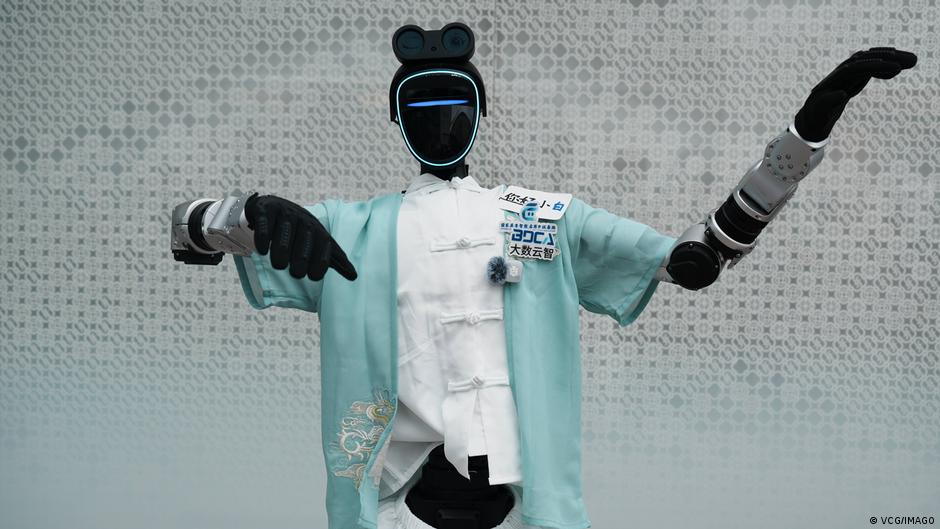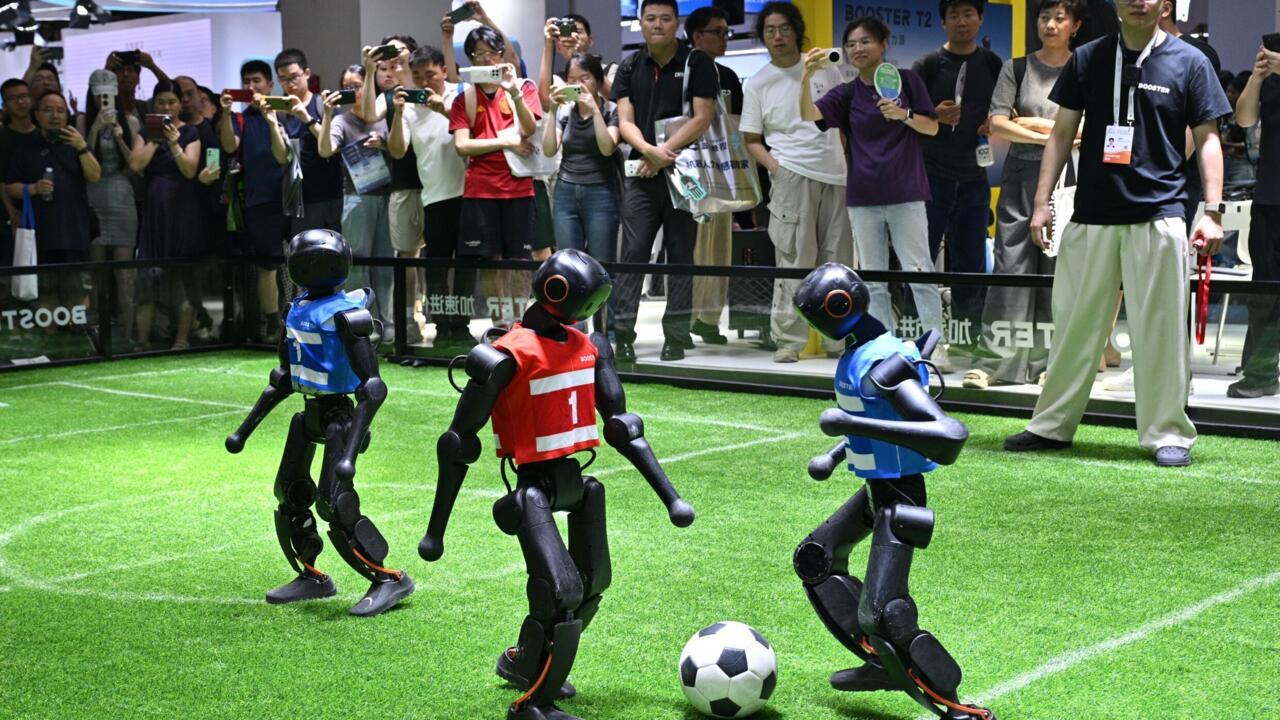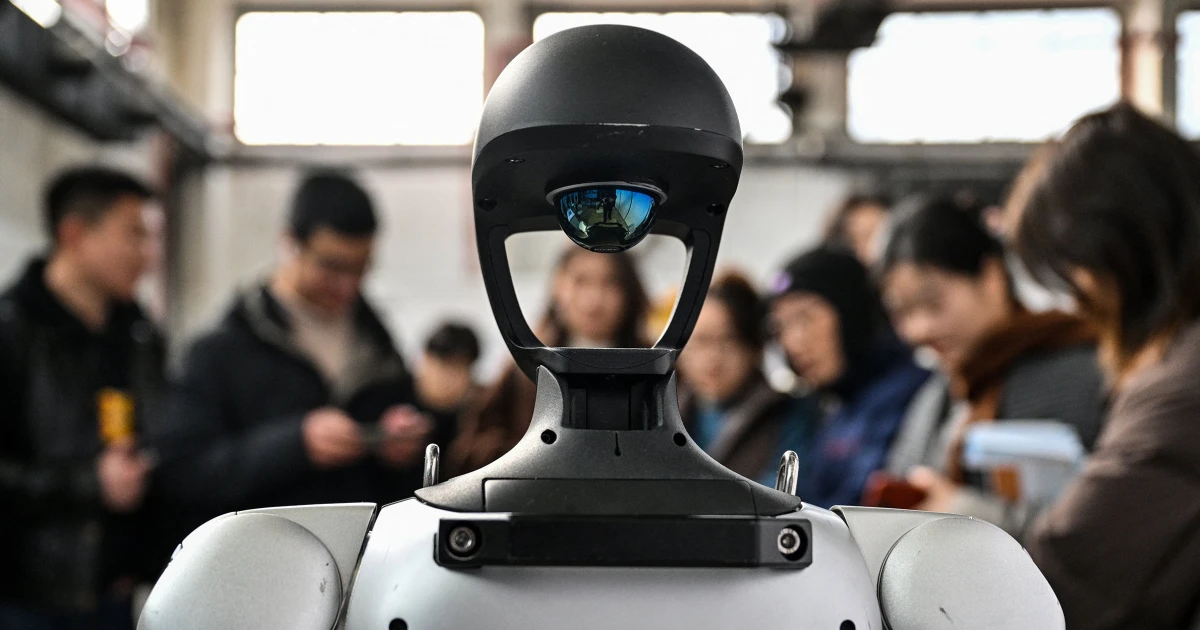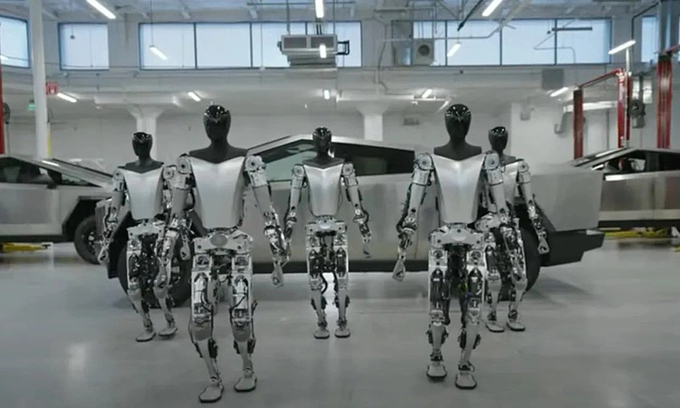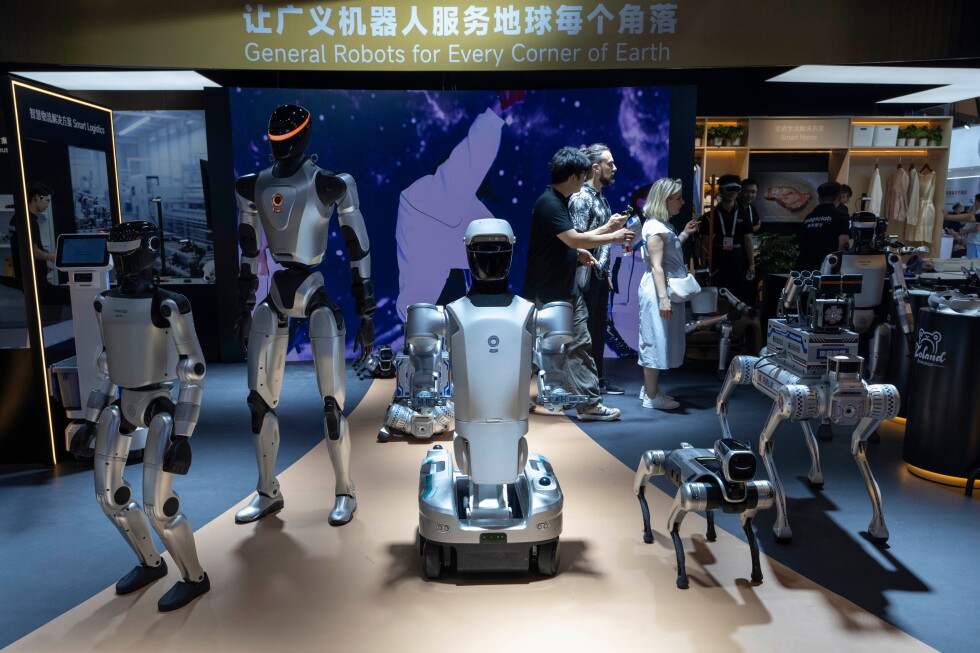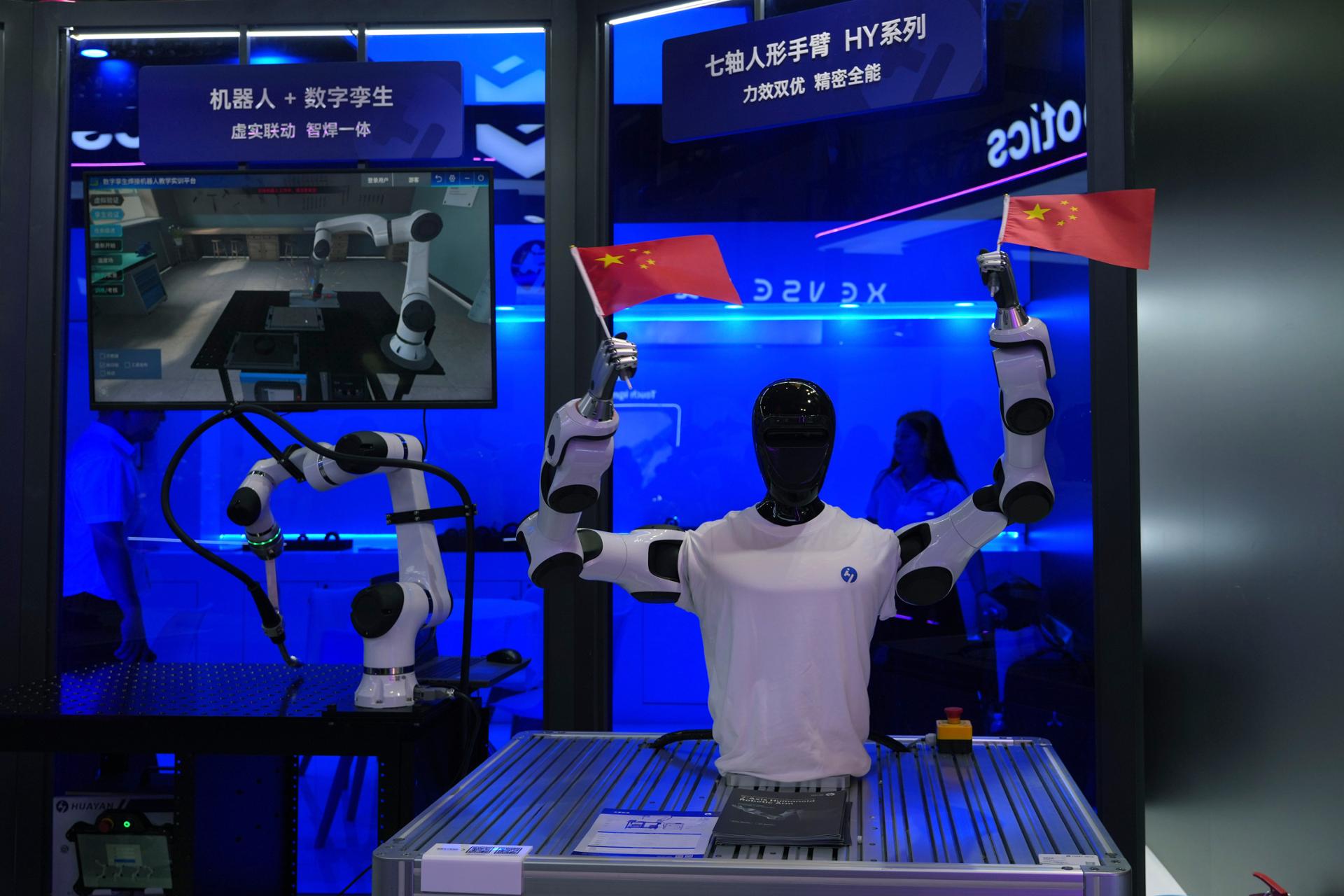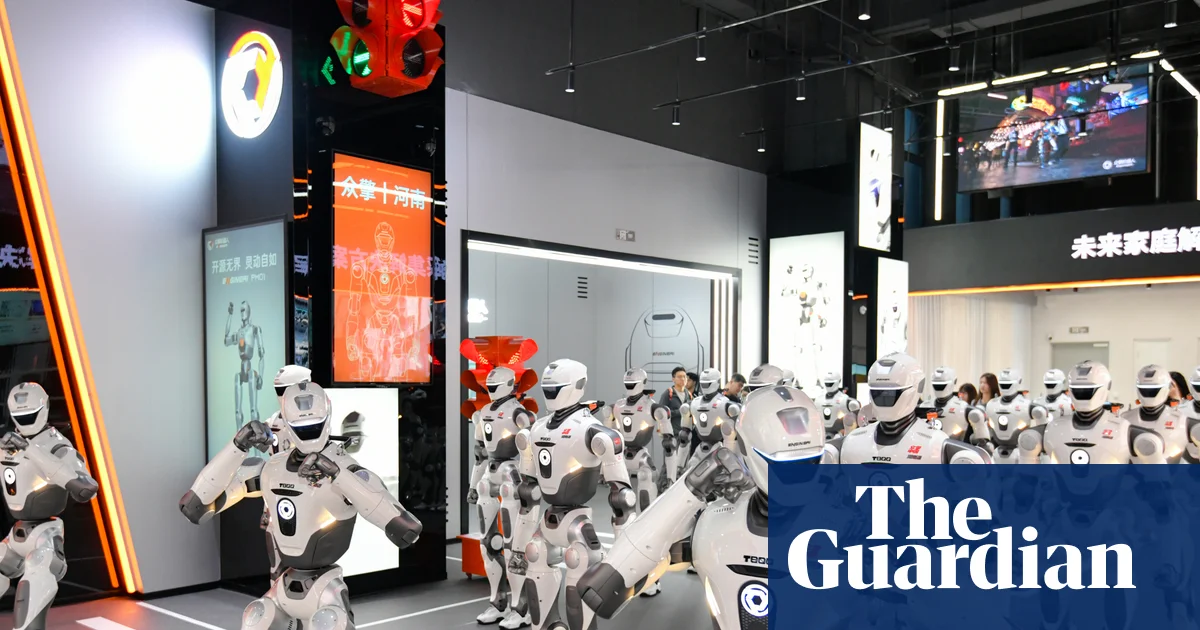
The United States implemented a ban on foreign-made “advanced robotic devices” this week, a move that includes barring robot humanoids and quadrupeds produced overseas from entering the country.The Federal Communications Commission announced on Tuesday that a federal interagency national security group determined the foreign devices “pose unacceptable risks to the national security of the United States or the safety and security of United States persons.” However, the determination has angered the Chinese Ministry of Commerce, as China is the world’s largest exporter of humanoid robots.The ministry released a statement on Thursday announcing that the FCC’s ban would “severely undermine the stability of China-U.S. economic and trade relations, and seriously disrupt the stability of global industry and supply chains,” according to a translation from the New York Times.
As trade tensions escalate between the U.S. and China over the topic, here’s a look at what these humanoid robots are and how close they are to becoming mainstream products.What are humanoid robots and what can they do?
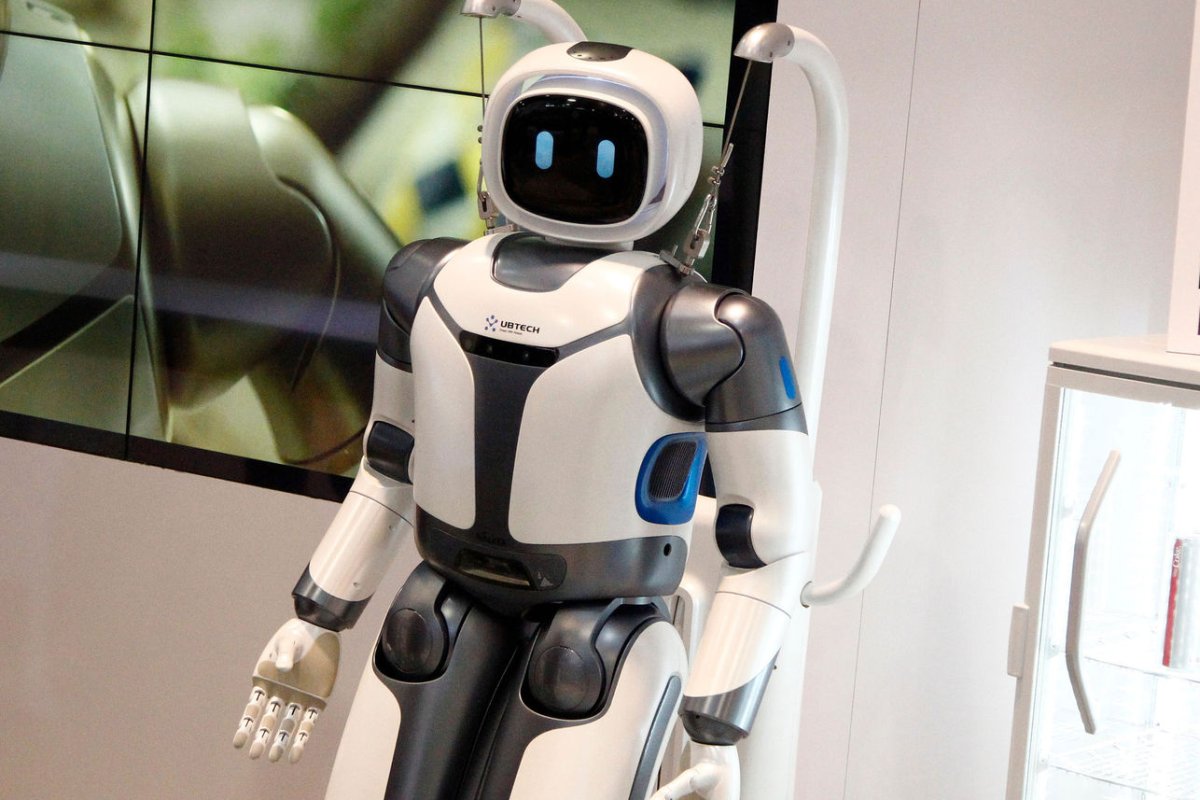
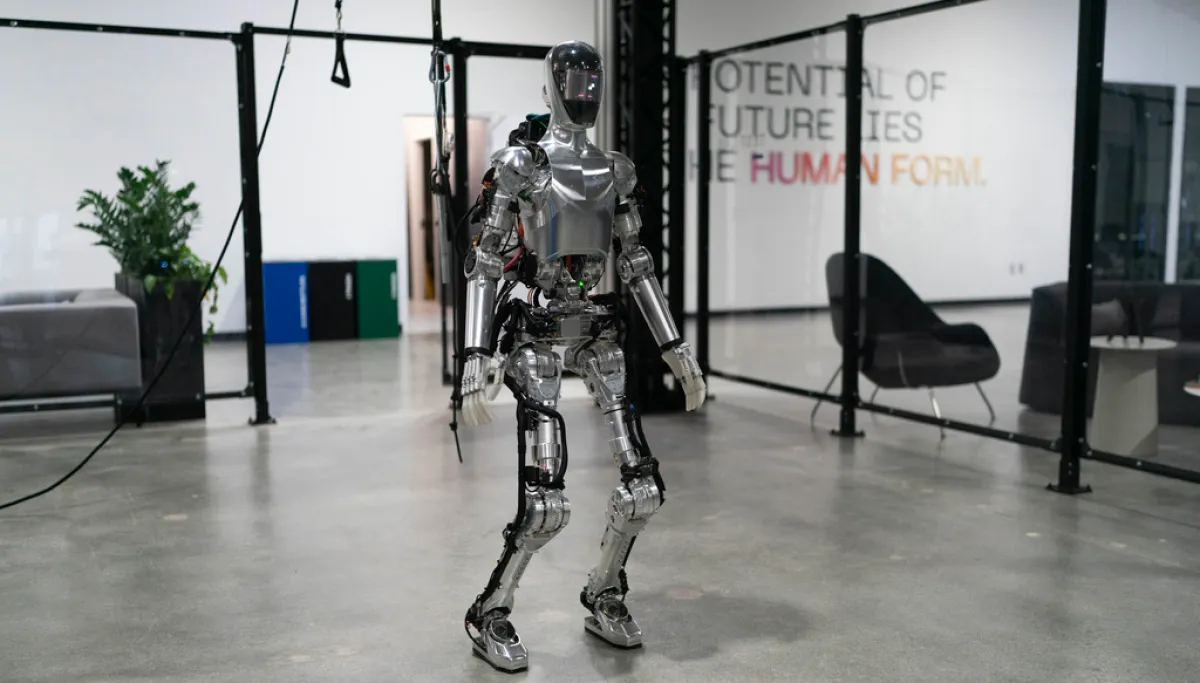
Modern humanoid robots are AI-powered machines designed to resemble a human-like structure and perform human tasks. They have largely been marketed as a means to fill vacancies in factory workforces, help with education, and complete dangerous tasks not fit for humans.In terms of using the humanoid robots in the workforce, as concerns rise among working-class Americans about the possibility of these AI robots to replace human jobs, companies such as Nvidia have advertised them as devices that will “work alongside humans to augment productivity.”Because the robots are powered by AI, they learn by mimicking human activity and also through virtual algorithms. Therefore, they are built to perform a range of human-like motions and tasks, including walking, talking, making various arm movements, working on factory assembly lines, and doing household chores.AI companies have advertised the potential for humanoid robots to range from performing chores as a housekeeper to working in clinical healthcare procedure settings to serving as teaching assistants in a classroom setting.However, many experts have questioned the extent of the robots’ dexterity. University of California, Berkeley, robotics researcher Ken Goldberg said in a Berkley News interview that simple tasks for humans, like picking up a glass, are hard for humanoids to get correct because of the perception it takes to determine the location of and strength with which to grab items.Humanoids also lack genuine emotion without a human consciousness.Which companies are developing these robots?