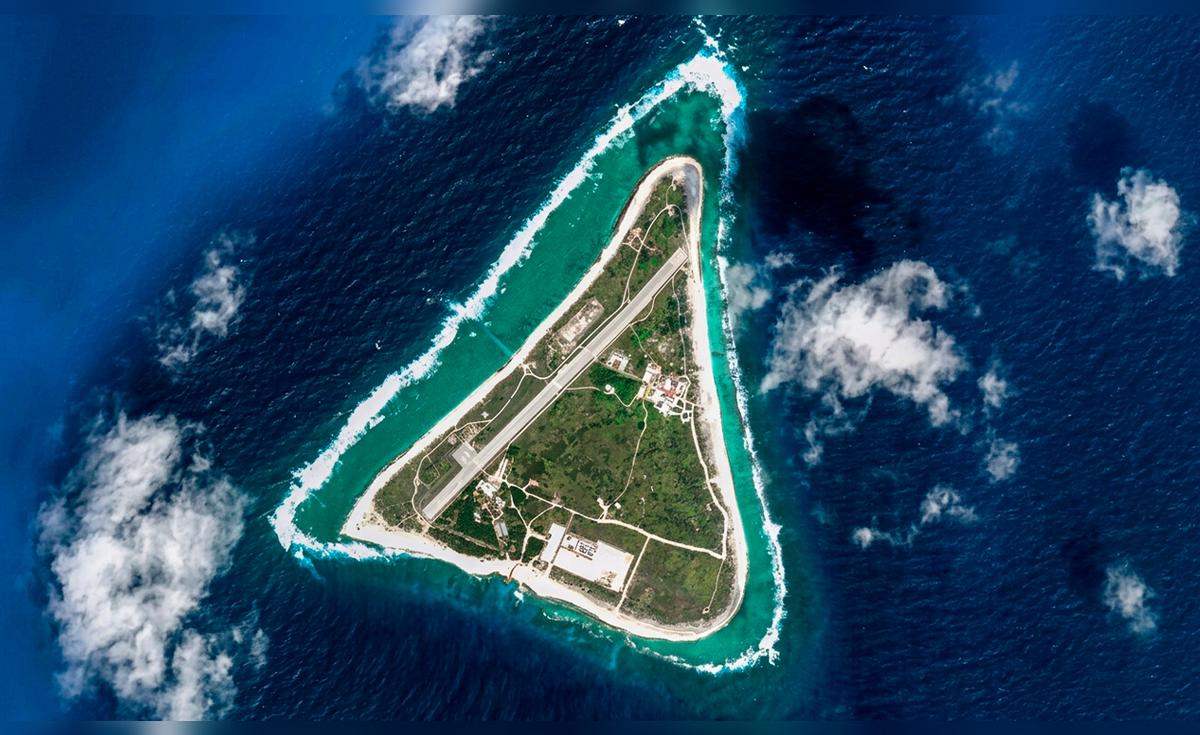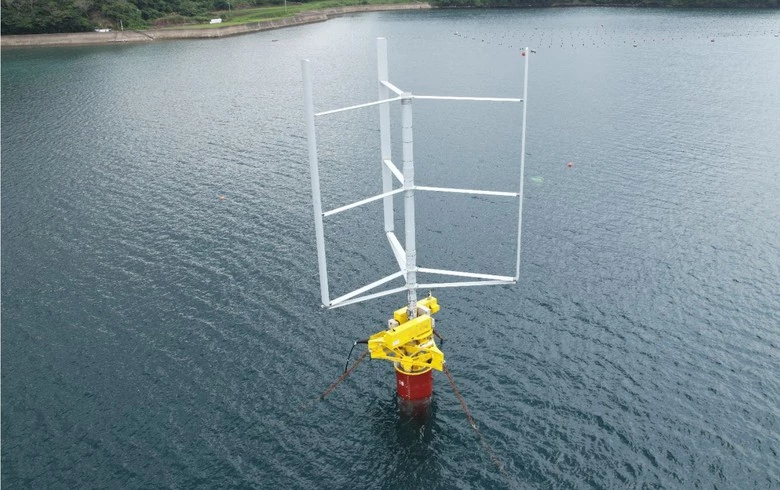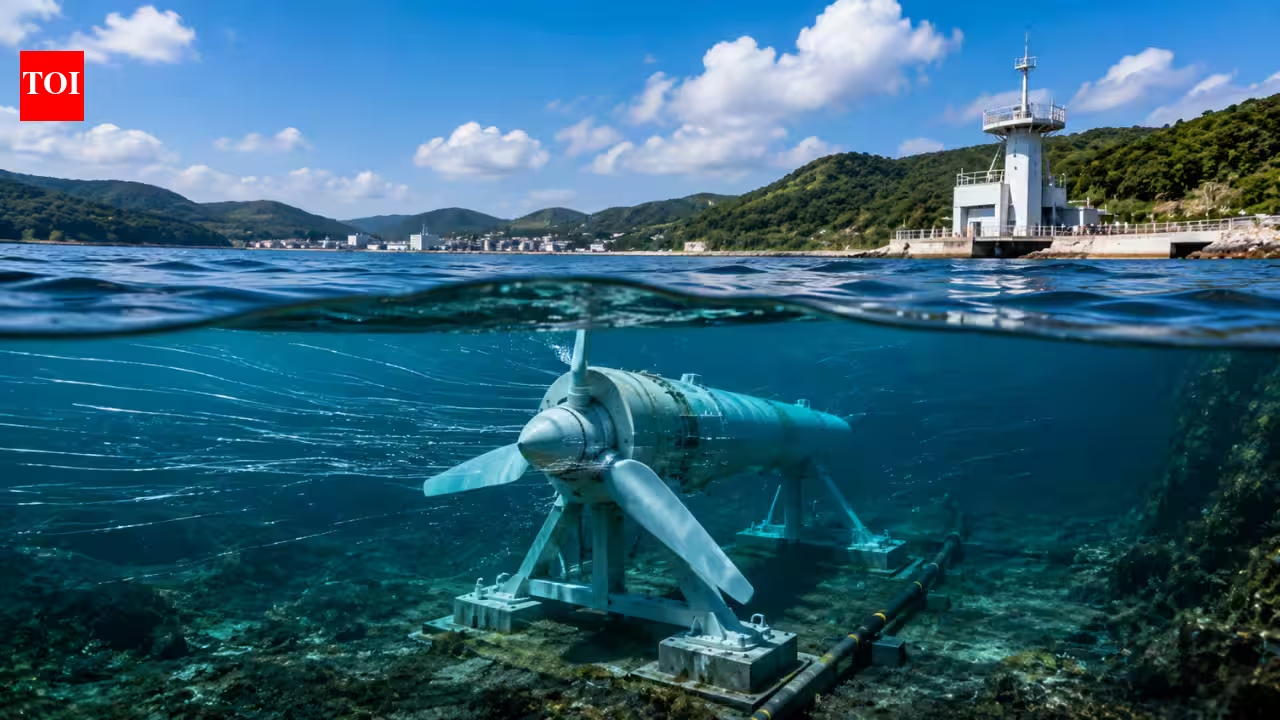
Image AI generatedBetween Japan’s Goto Islands, the sea is doing something that is usually associated with wind farms and solar fields. Beneath the surface of the Naru Strait, a 1.1 MW turbine is drawing energy from water moving with the tides and sending electricity back towards land through a subsea cable. No blades are turning in the sky and no panels spread across the shoreline. The machine works largely out of sight, following currents whose timing can be forecast well in advance. Installed by Proteus Marine Renewables, the AR1100 grew from an earlier 500 kW trial in the same waters. Its deployment has given Japan a megawatt-scale tidal system designed to work with the regular rise and fall of the sea rather than depending on sunshine or changing winds.How Japan’s 1.1 MW AR1100 tidal turbine generates electricity underwaterThe AR1100 is installed in the Naru Strait near Japan’s Goto Islands. Unlike a conventional wind turbine, there is no tower standing above the water and no set of panels covering land. The generating equipment works underwater, where tidal currents pass through its three-bladed rotor and turn the machinery inside the nacelle. Electricity then travels towards shore through a subsea connection. According to Proteus Marine Renewables, the turbine was deployed in February 2025, while later company information recorded that it received Japanese certification and began exporting electricity to the grid in June 2025.The arrangement is fairly straightforward in principle, although operating it beneath the sea is not. The rotor extracts energy from moving water, the drivetrain passes that mechanical power to a permanent-magnet generator, and the resulting electricity is carried to an onshore station. A yaw system turns the nacelle as the tidal flow reverses, while independently controlled blades can alter their pitch to regulate how the turbine responds to changing conditions. AR1100 is a horizontal-axis turbine mounted on a gravity-based support structure. The earlier project in the same strait provided the starting point for the larger machine.Image AI generatedJapan’s tidal energy project grows from a 500 kW pilot to a 1.1 MW turbineOffshore Energy reported that the earlier 500 kW AR500 pilot operated in the Naru Strait with 97% availability in 2021. That earlier machine had a rated capacity of 500 kW and recorded 97% availability during its operation, according to the material released about the project. The experience allowed engineers to see how the technology behaved in the actual marine environment rather than only in controlled testing.The next version increased the rated capacity to 1.1 MW and introduced changes to the turbine's control systems. An equipment supply and works contract with Kyuden Mirai Energy was signed in November 2022, with the Japanese project subsequently moving towards the upgraded machine. Advanced pitch and yaw systems were incorporated as part of the work. The company says those changes were intended to improve the turbine's performance and efficiency while allowing it to deal more effectively with the changing direction of the tidal flow.Why predictable tidal energy could complement solar and wind in JapanThe most distinctive feature of tidal power is not simply that the turbines sit underwater. It is the predictability of the resource. Solar output changes with daylight and weather conditions. Wind can strengthen, weaken or stop altogether. ClickPetroleogas noted that tidal production can be estimated in advance because the cycles follow predictable natural patterns, unlike renewable generation that is more affected by weather conditions. The electricity produced at any particular moment still depends on the conditions at the site and the performance of the equipment; the underlying movement of the water is far less of a surprise.That distinction matters when renewable sources are being combined. A grid operator cannot make the sun shine or order the wind to blow, whereas the timing of tidal cycles can be incorporated into generation planning. It does not make tidal energy constant; the flow rises and falls as the tide changes, but it makes the pattern easier to anticipate. For islands such as those around the Goto group, where space and fuel logistics can present particular constraints, a submerged source can sit alongside solar, wind and other forms of generation. The Naru Strait project is intended to contribute to reducing emissions from the islands' electricity supply.The engineering challenges of operating a tidal turbine underwaterUnderwater generation creates its own engineering problems. Components have to survive saltwater, strong currents and long periods of exposure while remaining accessible enough for inspection and maintenance. Getting people and equipment to a submerged turbine can also require vessels, specialist crews and careful planning. The location itself has to provide sufficient water movement, suitable depth and a practical route for sending the electricity into the grid.The Naru Strait project therefore depends on more than the turbine turning. Its subsea cable links the machine to an onshore electrical station, where the generated power can be processed for distribution. Local vessels and resources were used during deployment, with Proteus' offshore team overseeing the work, while Kyuden Mirai Energy and Japan's Ministry of Environment have been involved in advancing the project.There is also a useful way to think about the long-term promise of the machine, without treating its output as something that can be guaranteed hour by hour. The tidal timetable itself is highly predictable. Engineers can calculate when stronger and weaker currents are expected well into the future, creating a generation pattern that can be plotted ahead of time. What cannot simply be printed on that chart is the turbine's actual electricity production for every future hour: maintenance, operating conditions and other technical factors still matter.That distinction is important. The Naru Strait turbine is not a giant power station, nor does the available source material establish that it will produce a fixed amount of electricity every hour for a decade. What the project demonstrates is something more specific: a megawatt-scale machine can be installed beneath a Japanese strait, connected to shore and operated using an energy source whose basic timing is known far in advance. The water will keep changing direction. The turbine is built to follow it.
Japan installed a 1.1 MW turbine beneath the Naru Strait, using predictable tidal currents to generate clean electricity for the Goto Islands
Between Japan’s Goto Islands, the sea is doing something that is usually associated with wind farms and solar fields. Beneath the surface of the Naru Strait, a 1.1 MW turbine is drawing energy from water moving with the tides and sending electricity back towards land through a subsea cable.
1,003 words~5 min read