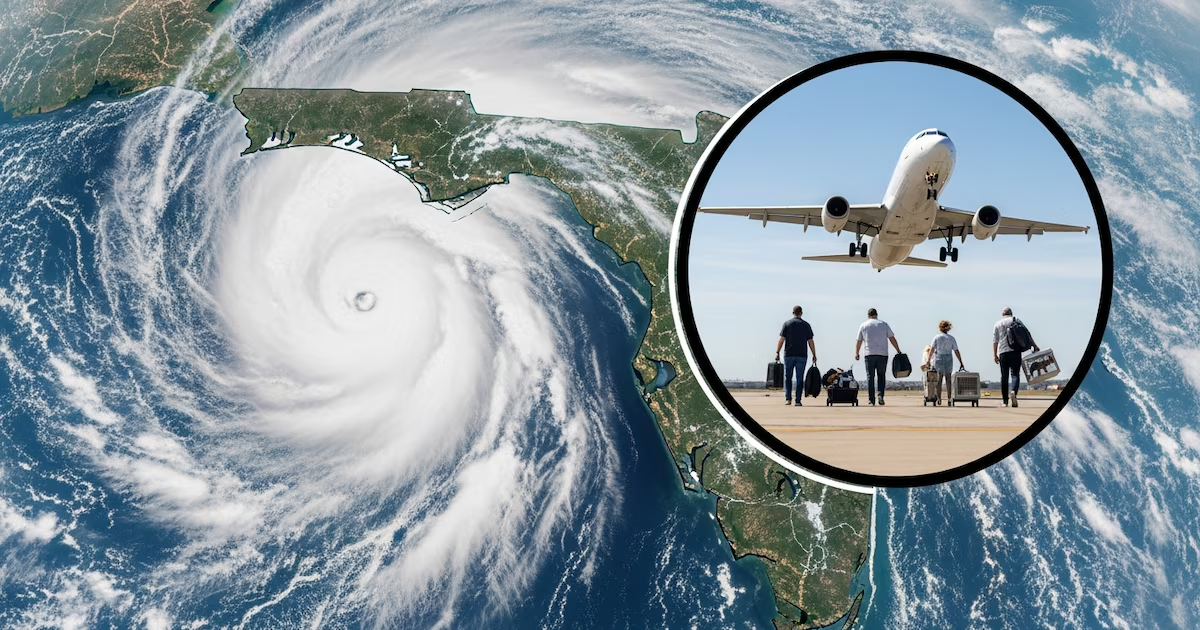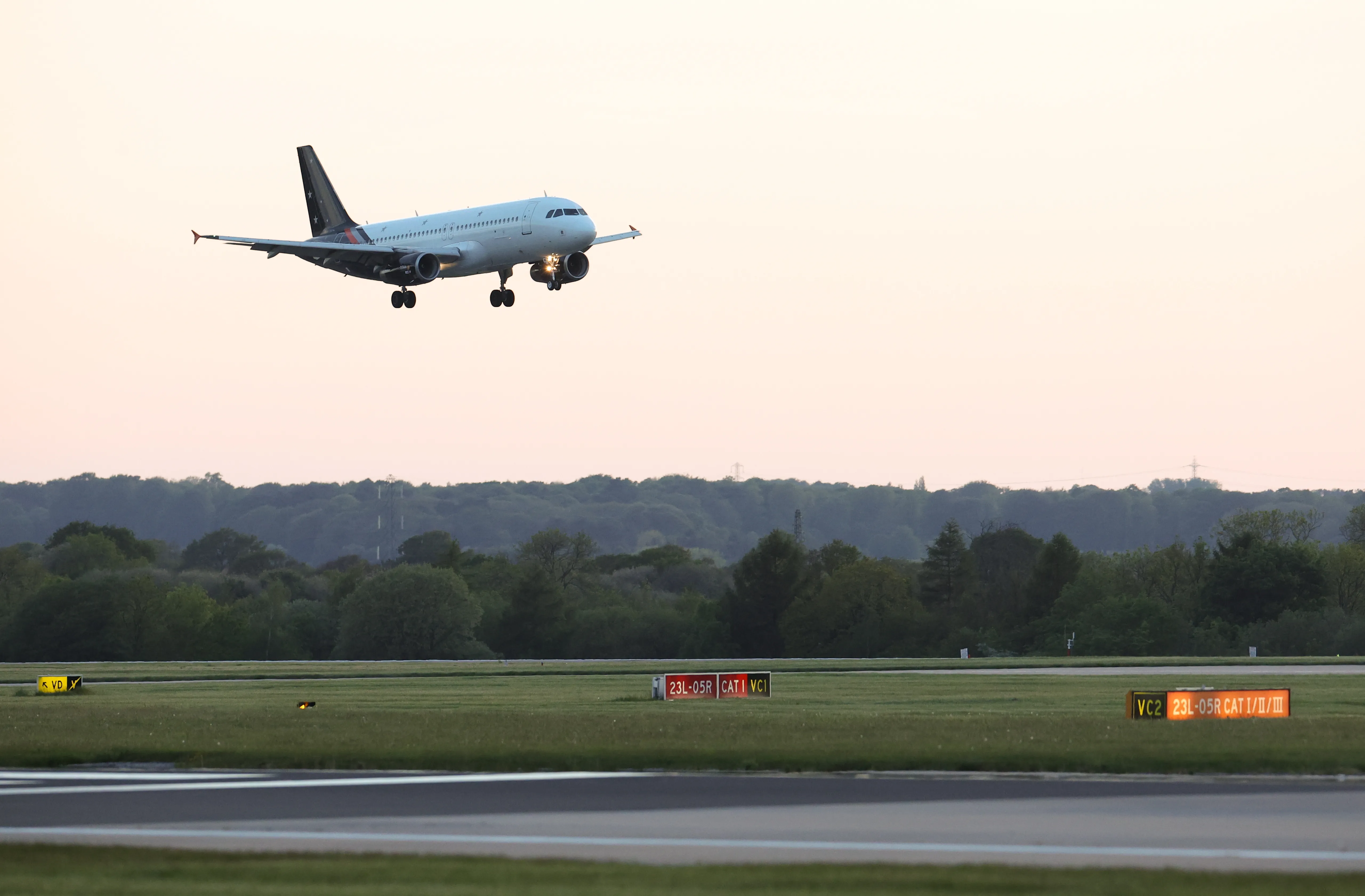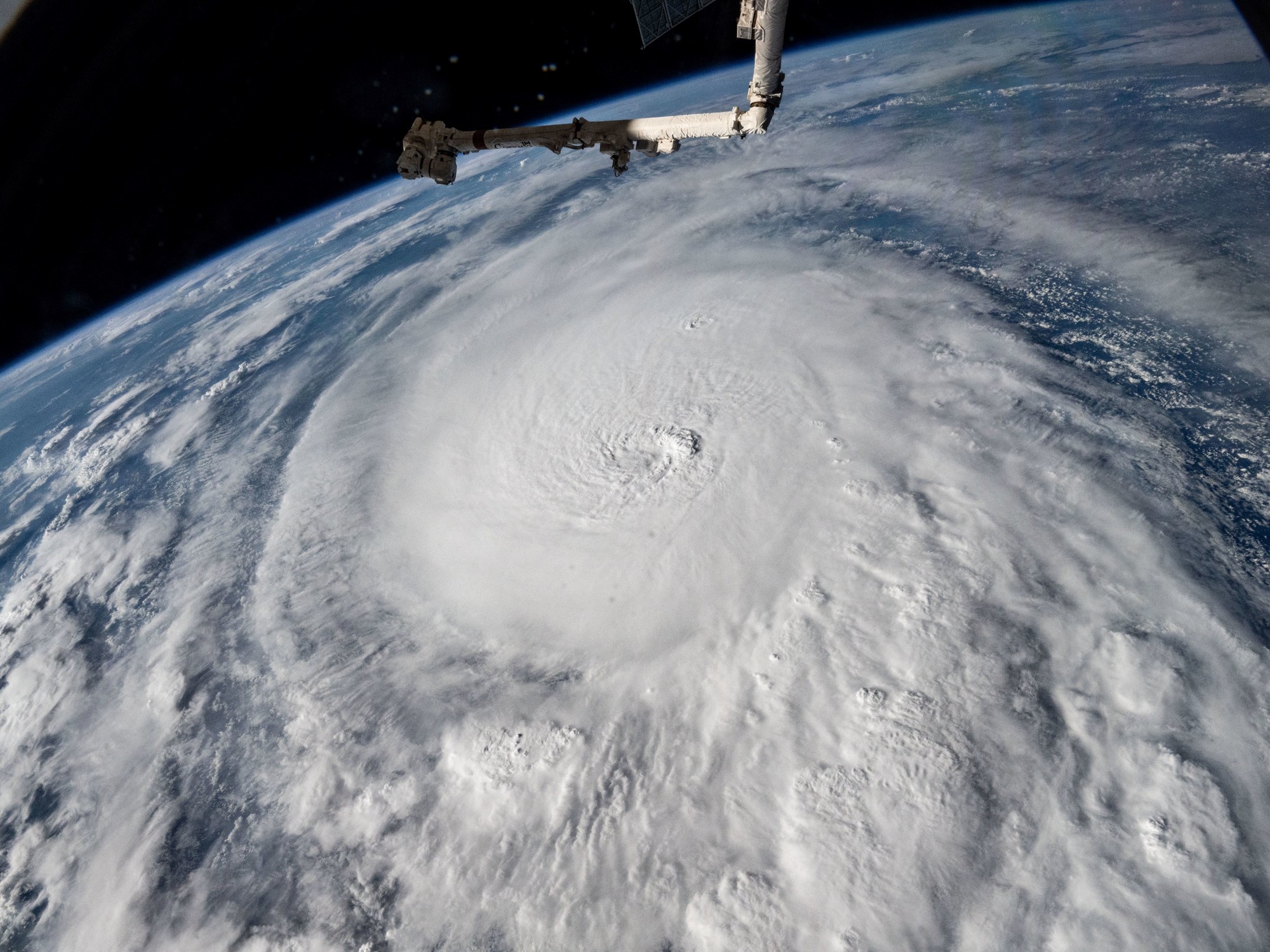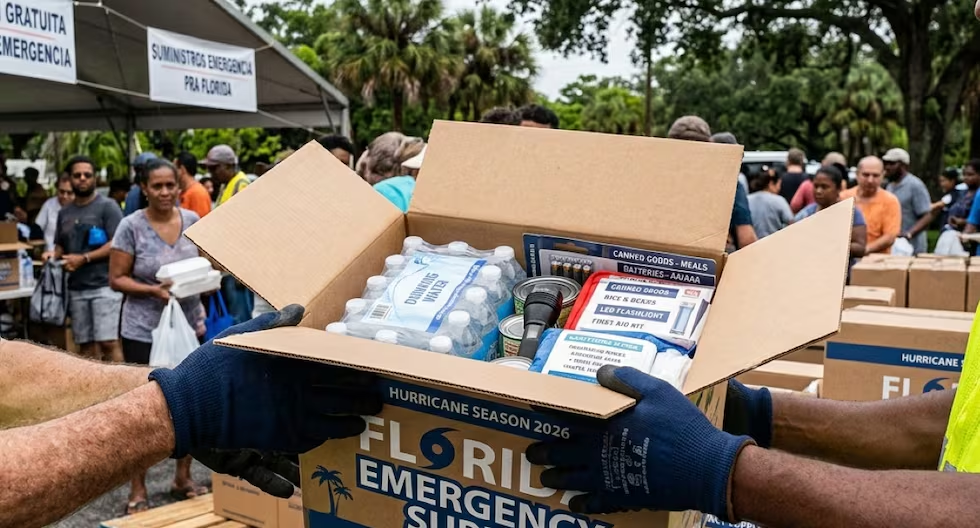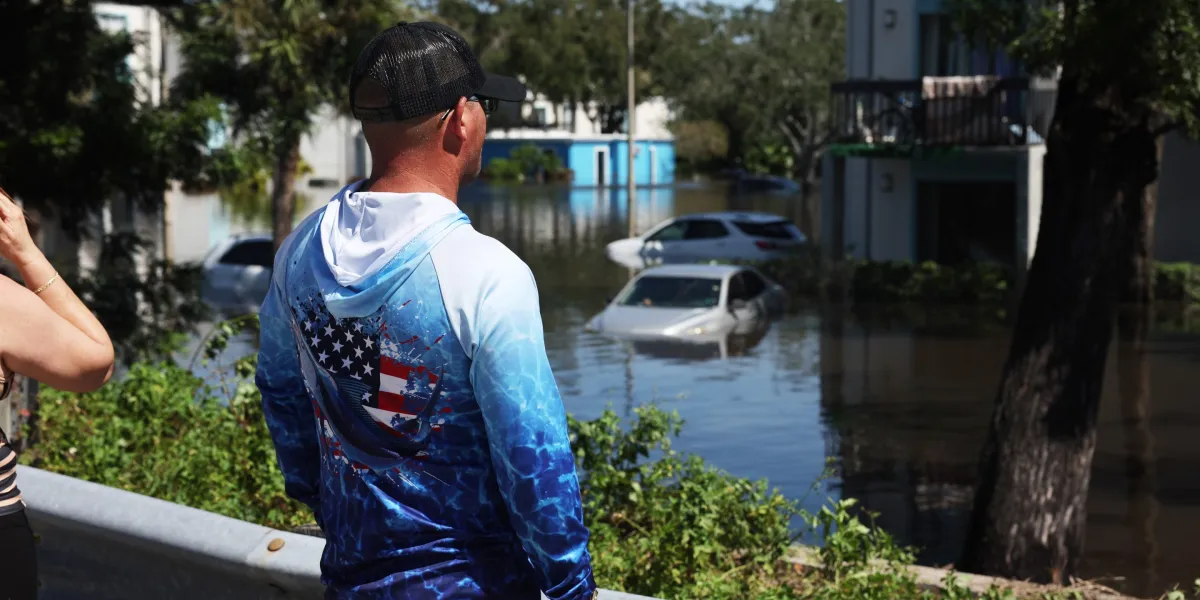
PriorityEvac offers an alternative to traditional hurricane evacuation routes, with pre-arranged flights out of Florida before qualifying storms hit.gettyIt’s the height of hurricane season. And when a hurricane is barreling toward you, one of the hardest parts of hurricane evacuation isn’t deciding whether to leave, it’s knowing when. Wait too long and highways become parking lots, flights sell out and airports may shut down. Leave too early and you may wonder if you overreacted.That’s exactly the problem a new Florida startup, PriorityEvac, is aiming to solve. The company has launched the country’s first membership-based hurricane air evacuation program. For $1,250 per person each year, members receive access to pre-arranged evacuation flights from six Florida airports before qualifying storms make travel difficult or impossible.The idea came to founder Jason Murgio after hearing a friend’s nightmare evacuation story in 2019. “His family had a real difficult time getting flights,” Murgio told me in an interview. “They weren’t on the same flights, the prices were astronomical and it was just mass chaos. I said, ‘There has to be a better way to do this.’”Murgio, an insurance investment banker, spent the next several years figuring out a better way to evacuate people in a hurricane. Florida’s geography posed an obvious challenge: It’s a long peninsula, and when a major storm approaches, much of the evacuation traffic is headed in the same direction: north. So he set out to create a model that could evacuate people at scale. He partnered with Miami-based Global Crossing Airlines to reserve aircraft before hurricane season begins each year, ensuring planes would be available if—and when—a qualifying storm threatens.Murgio also assembled a team with extensive disaster-response experience, including retired Air Force Colonel Tim Houston, former Chief of Operations for NORAD and USNORTHCOM, who previously coordinated large-scale hurricane evacuations. He also brought on former National Hurricane Center lead forecaster Wally Barnes, who helped develop the weather triggers that determine when flights should activate.PriorityEvac members receive notifications when evacuation flights are activated and can confirm their plans to leave.Courtesy of PriorityEvacHow PriorityEvac WorksPriorityEvac currently serves residents and seasonal homeowners in 12 counties across South Florida’s east and west coasts. Flights depart from Miami, Fort Lauderdale, West Palm Beach, Tampa, Sarasota and Fort Myers and fly members to Atlanta.The company uses National Hurricane Center forecasting criteria to decide when to activate flights. Once those thresholds are met, members receive phone calls, texts and emails from assigned case managers, who help coordinate every step of the evacuation, from confirming whether they’ll leave to directing them to the appropriate airport.The goal is to get members airborne roughly 30 to 72 hours before winds become strong enough to disrupt aviation, not necessarily right before landfall. “Everybody thinks about when a hurricane makes a landfall, but evacuations have to happen well before landfall, especially if you’re using aviation because winds drive the ability to fly,” says Murgio.Two qualifying evacuations are included with the annual membership. Members aren’t required to evacuate, but if the company activates flights for a qualifying storm, that counts as one of the two evacuations, even if they decide to leave another way.Atlanta was selected because it’s close enough for aircraft to shuttle back and forth multiple times while also offering one of the country’s largest airports, abundant hotels, rental cars and onward flight connections. If a storm threatens Atlanta, the company says it can divert flights to Charlotte or Nashville. Once members arrive, they are responsible for arranging accommodations and transportation home after the storm.PriorityEvac has partnered with Global Crossing Airlines (GlobalX) to provide aircraft for its hurricane evacuation flights.Courtesy of PriorityEvacIs There Really A Need?The obvious question is whether PriorityEvac solves a real problem or simply offers another way to do something people could arrange themselves.From Miami-based meteorologist Amanda Pappas’ perspective, the problem is very real. Pappas, a Certified Broadcast Meteorologist who has covered hurricanes in Florida for years, shares all kinds of weather advice on her social channels, from TikTok to Instagram. She says evacuations have become increasingly difficult as the state’s population has grown and more people have moved into vulnerable coastal communities.“Once those evacuation orders go into play, it’s a race to try to get out,” Pappas told me in an interview. “This gives people another option and maybe allows them to get out even sooner.”During a hurricane, Pappas says the biggest challenge isn’t logistics, it’s psychology. People routinely convince themselves they have more time than they actually do. “I have to act almost as a psychologist when a storm is coming,” she says. “A lot of people wait till the last absolute minute to evacuate.”She knows firsthand how dangerous that can be. While covering Hurricane Ian in Fort Myers in 2022, Pappas was trapped at her television station after staff decided not to evacuate. She had to move through floodwaters before the National Guard eventually rescued the group in the middle of the night.Her advice is simple: Prepare early and don’t wait until the last minute to leave. That’s one reason she sees value in PriorityEvac, which outsources part of that decision-making process to people who spend their careers thinking about hurricanes.“You get to take out the guesswork,” says Pappas. “The pressure’s not on you to make the decision of whether or not to evacuate. There are professionals there.”A NOAA satellite image shows Hurricane Dorian approaching Florida in September 2019.Getty ImagesWho Is It For?PriorityEvac says early interest has come from several groups, including homeowners looking for a predetermined evacuation plan, adult children buying memberships for elderly parents who live in Florida and parents of college students attending school in the state.The company expects to cap membership at roughly 5,000 people during its first season to ensure it can accommodate everyone if flights are activated. If it reaches capacity, additional applicants will be placed on a waiting list.Florida’s State Emergency Operations Center in Tallahassee during Hurricane Helene in September 2024.AFP via Getty ImagesIs It Worth $1,250?Whether the membership is worth $1,250 ultimately depends on how you think about hurricane preparedness.“I would call it a preparedness investment,” says Murgio. “I’d put this in the same category as people buying home generators, storm shutters, elevated flood coverage.” In other words, it’s an investment you hope you will never need to use.He also points to the potential economics of a last-minute evacuation. During previous hurricanes, Murgio says his research found that one-way commercial airline tickets could cost $1,500 to $3,000, assuming seats were still available.“If you think about two qualifying events, that’s effectively $625, which is the cost of a commercial flight,” he says. “And certainly a lot less than what we saw when we started researching what commercial aviation was charging during hurricanes.”PriorityEvac also differs from evacuation membership companies such as Medjet and Global Rescue. Those services are generally designed to respond to a medical, security or other emergency after something has happened. PriorityEvac is intended to be proactive: The aircraft, activation criteria and support system are put in place before the hurricane arrives.The concept may eventually extend beyond its current locations in Florida. Murgio says PriorityEvac plans to expand farther into the state and ultimately into Gulf Coast states, Texas and the southern Atlantic region. He has also received inquiries from people in the Bahamas, Puerto Rico and other Caribbean destinations, although he says expanding to the islands would be more operationally complicated.For Murgio, though, what he’s selling isn’t really a hurricane evacuation flight. “They’re buying peace of mind,” he says. “They’re buying a plan.”MORE FROM FORBES:ForbesAn Insider’s Guide To Hudson, New York’s Creative Upstate EscapeBy Laura Begley BloomForbesThe Best Countries To Live In The World In 2026—Rated By Expats In InterNations ReportBy Laura Begley BloomForbesThe Book Everyone Is Taking To Paris This SummerBy Laura Begley Bloom
Would You Pay $1,250 To Escape From A Hurricane?
As hurricane season heats up, a new company is offering a membership plan that will help people in Florida evacuate before major storms hit. Here’s what you need to know.
1,287 words~6 min read