While visiting family in St. Petersburg, Florida, in November 2024, I found myself walking down a quiet residential street in Shore Acres, a low-lying, bayfront neighborhood not far from where I grew up.
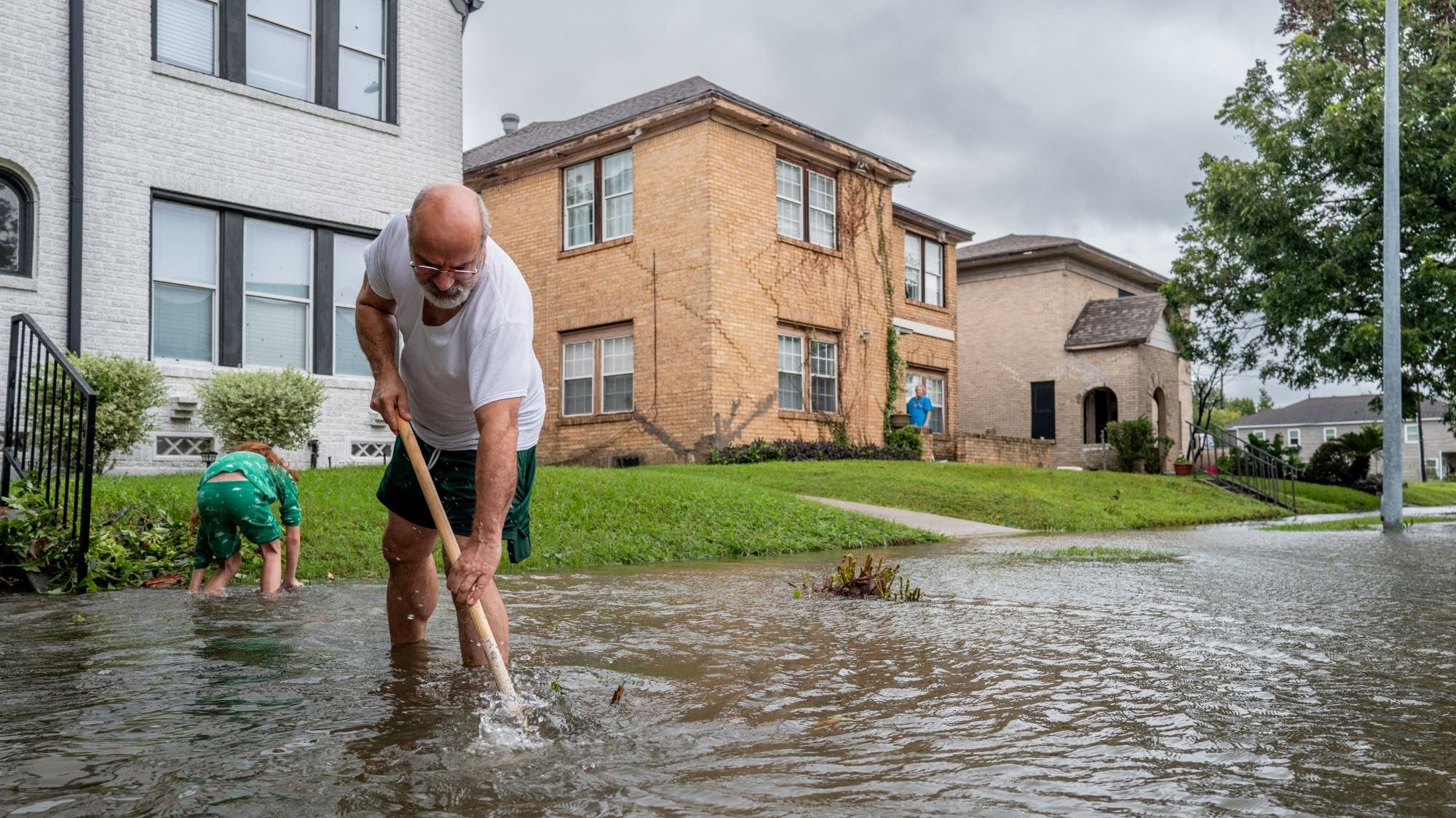
Two months earlier, Hurricane Helene had sent several feet of water into homes here, even though the center of the storm had stayed far offshore. Just days after Helene, Milton made landfall nearby as a major hurricane, inflicting substantial wind damage.
What I saw on that autumn morning was a scene of starkly unequal neighborhood recovery: Dozens of older homes, most built during the area’s postwar building boom, were in a state of shocking disrepair. Shattered drywall, warped kitchen cabinets, broken glass – entire interiors poured out into the street in piles, at times as high as I am tall.
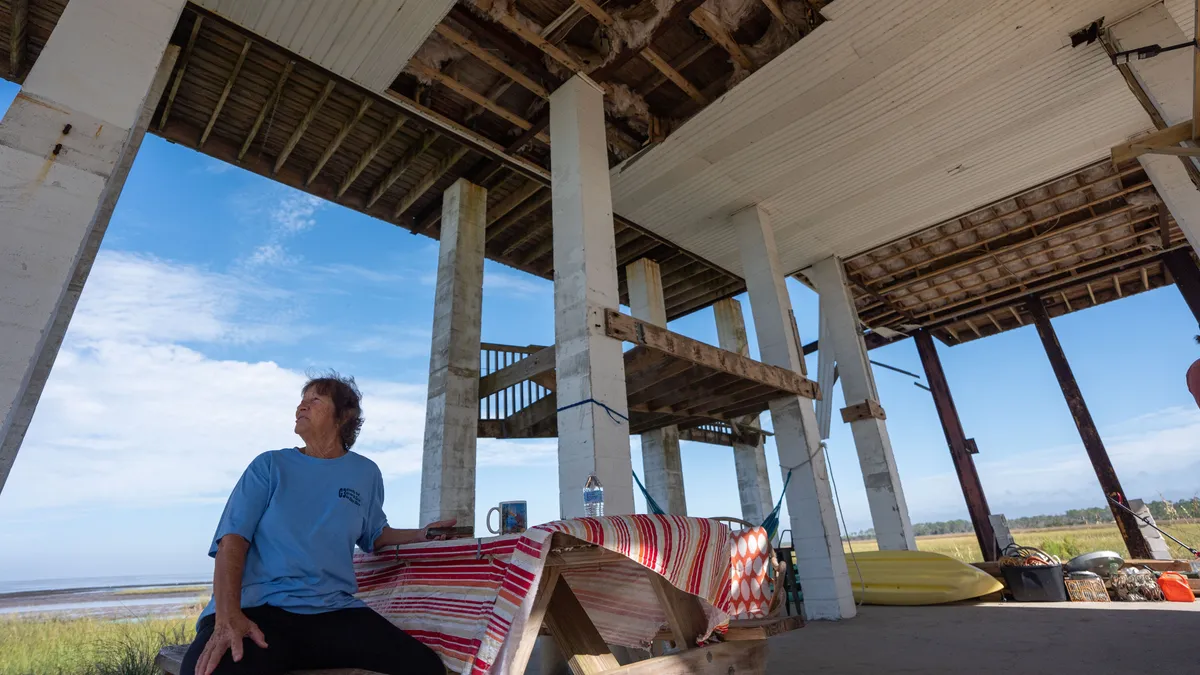
On the same street, I also saw pristine newer homes that looked untouched. Raised on posts far above their neighbors – in line with newer building codes – there was no sign that a major storm had recently clawed through the neighborhood.
As the sound of buzz saws and hammers rang in my ears, I noticed “for sale” signs in front of many storm-damaged homes. Building back after a storm is a trying business, and it appeared some had called it quits.