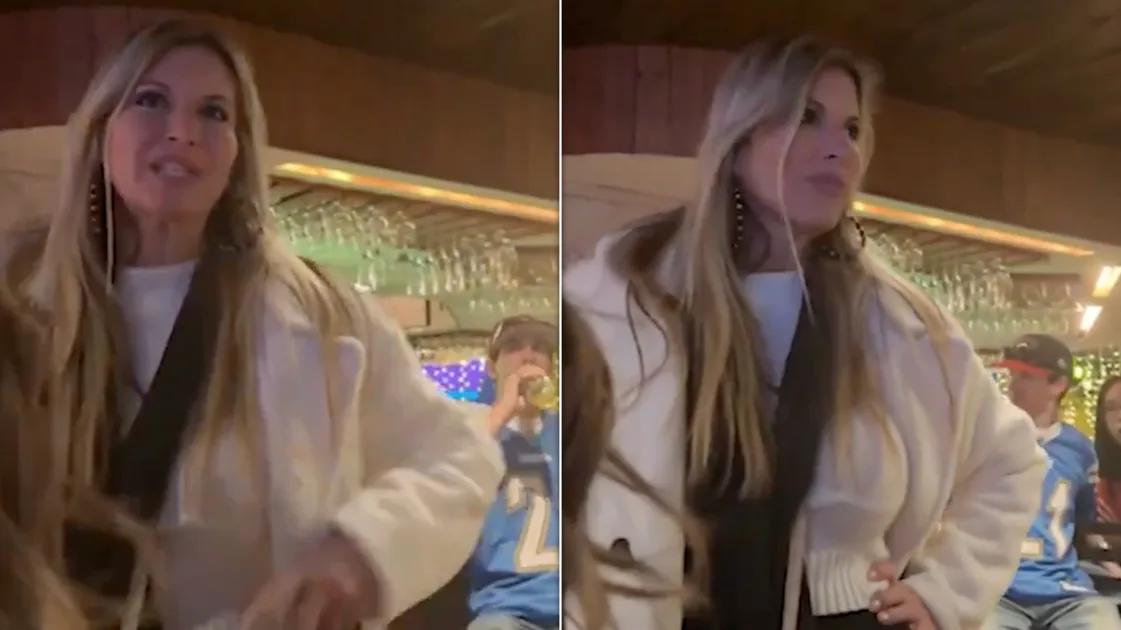
Sitting on a couch with her husband, the woman smiles to the camera. “I just asked him what he thinks of my pregnant body,” she says in the video. Then comes a clip of her husband delivering a long “Ewwww,” part retch and part shout.
“If you could date one family member of mine, who would it be?” another woman seems to ask her husband in a separate video. The answer? Her grandfather.
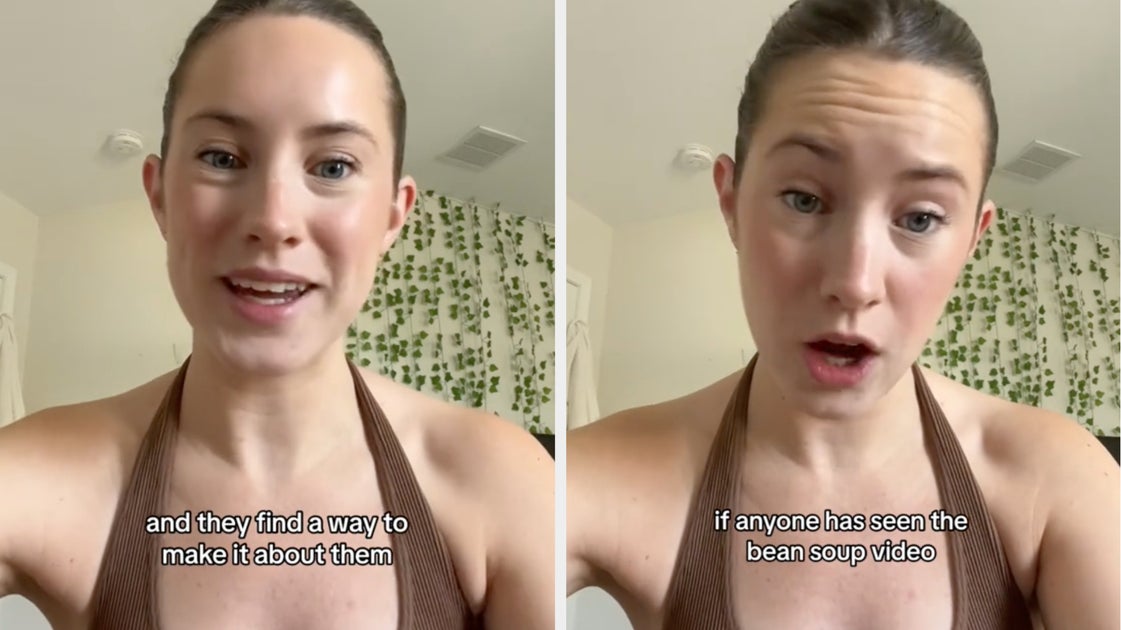
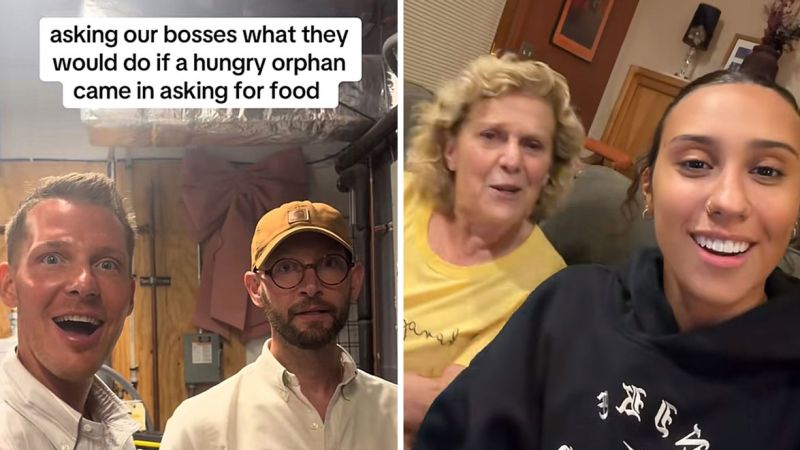
In other videos, people seem to boast about attacking a starving orphan child or discuss how they would go about having sex with 100 firefighters. It’s all part of a chaotic format that’s swept through TikTok and Instagram this summer, in which people record their partners, family members and even colleagues answering harmless-seeming queries, then swap in different, much more embarrassing questions afterward.
The switcheroo trend is one more lighthearted example of internet prank culture, with successful clips in the genre using comically obvious edits to highlight the misdirection and avoid any real danger of defamation. But experts say it also reveals deeper truths about the ways in which younger people think about disinformation, media literacy and online irony.
“Compared to earlier generations, younger people seem more keenly aware of the potential to manipulate media — be it the slick editing of a reality TV producer, the creation of a meme or AI-enabled frauds and fakery,” said Brooke Duffy, a communications professor at Cornell University. “And so, they are using tools provided by platforms to engage in their own deception-based entertainment.”