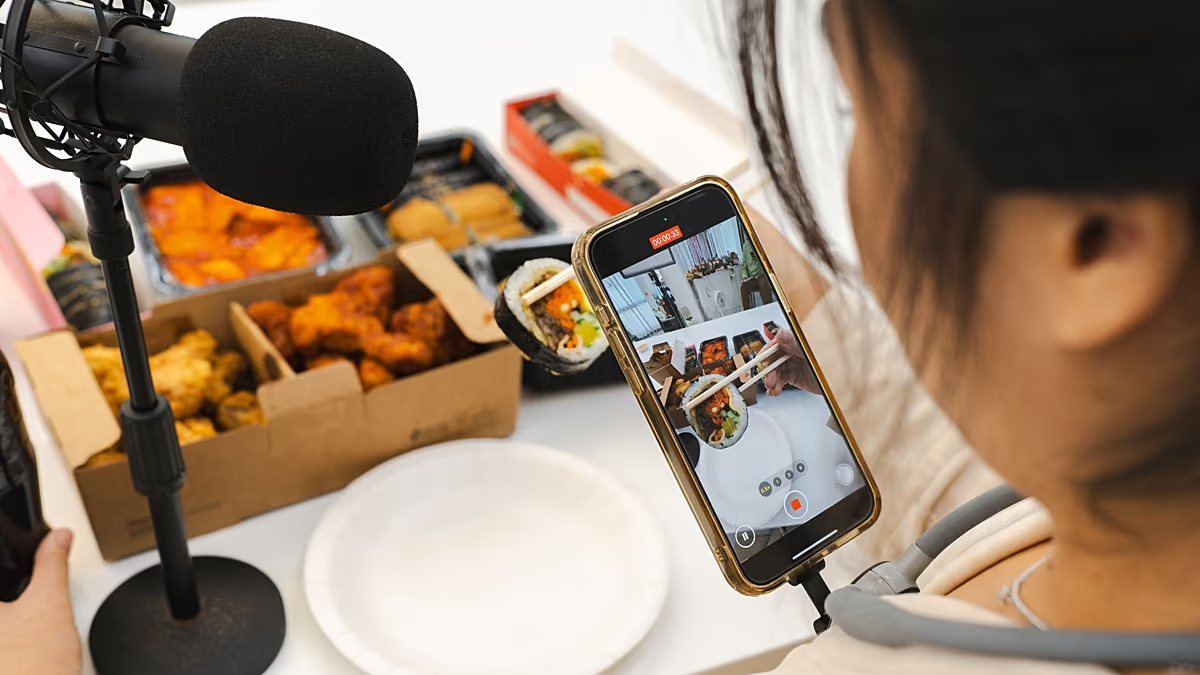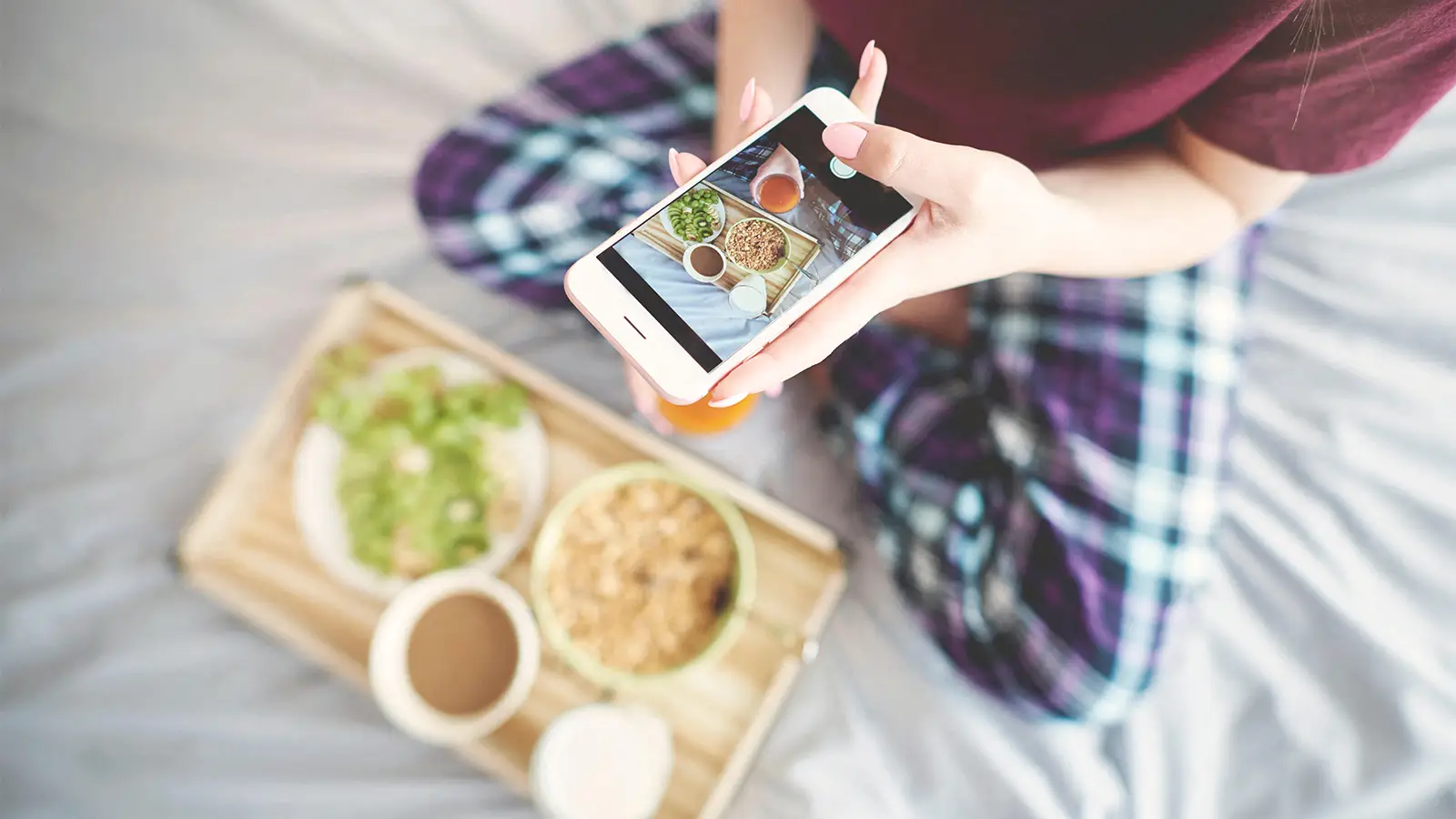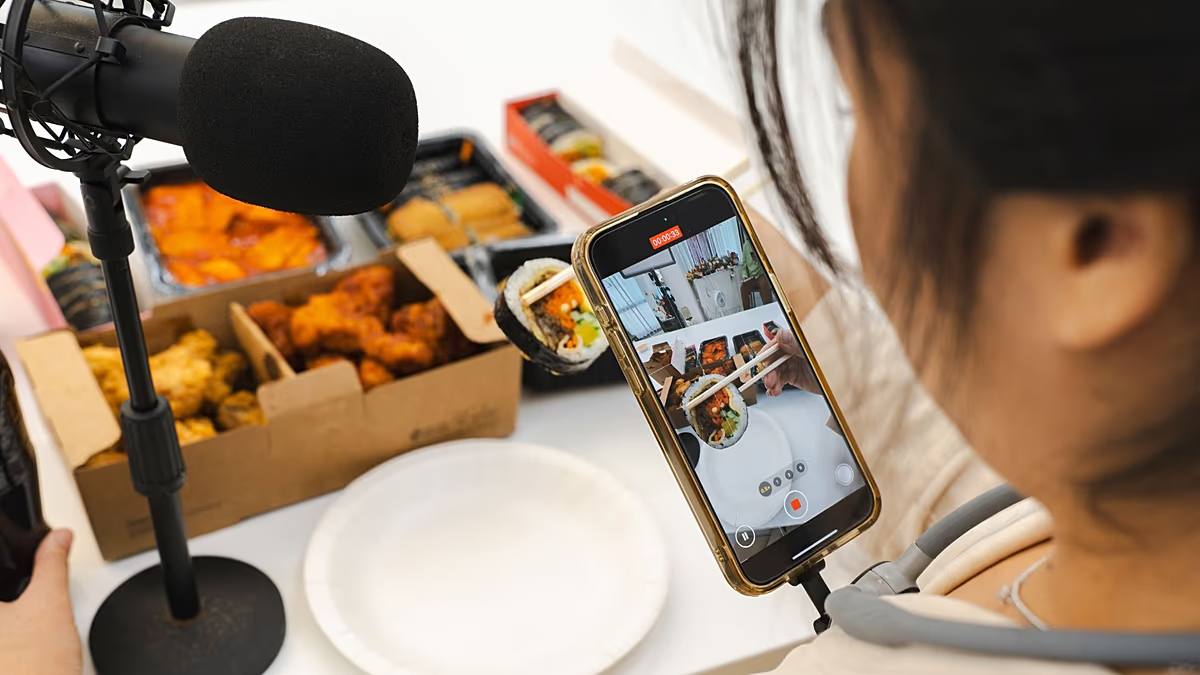
TikTok is becoming a double-edged source of nutrition advice for teenagers: the platform can offer recipes, cooking ideas and healthier alternatives, while also exposing young people to dieting culture, unrealistic body ideals and potentially misleading health claims. That creates a complicated environment for adolescents still developing their relationship with food, health and their bodies.
A recent study of teenagers aged 15 to 16 found that food content on TikTok could trigger cravings, encourage young people to try new foods and, in some cases, influence how they eat in an attempt to emulate influencers.
"Adolescents described TikTok as a highly engaging environment where food content can quickly capture their attention and cue a desire to eat or try something new," said an author of the study, Adrianna N. Bell.
The findings come as policymakers and courts take a closer look at the impact of social media on children and young people.
Currently in the US, Meta is facing a legal challenge over allegations that it deliberately designed Facebook and Instagram to be addictive for young users. In Europe, in the meantime, TikTok was accused of breaching the European Union's online content rules, exposing children to cyberbullying or contact from abusers, while some national governments are moving to impose bans on social media platforms, including TikTok, for children.