Free daily briefing on global business news.
Wifi slower in summer isn't your imagination: heat, congestion and interference from seasonal habits all quietly cut into your connection's speed
Wifi slower in summer than it was in the spring? The complaint spikes every year between June and September, and it isn't just a coincidence tied to more people streaming during vacation. A home network runs through a chain of physical hardware, radio spectrum and shared infrastructure. Summer heat, humidity and habits put pressure on nearly every link in that chain at once.
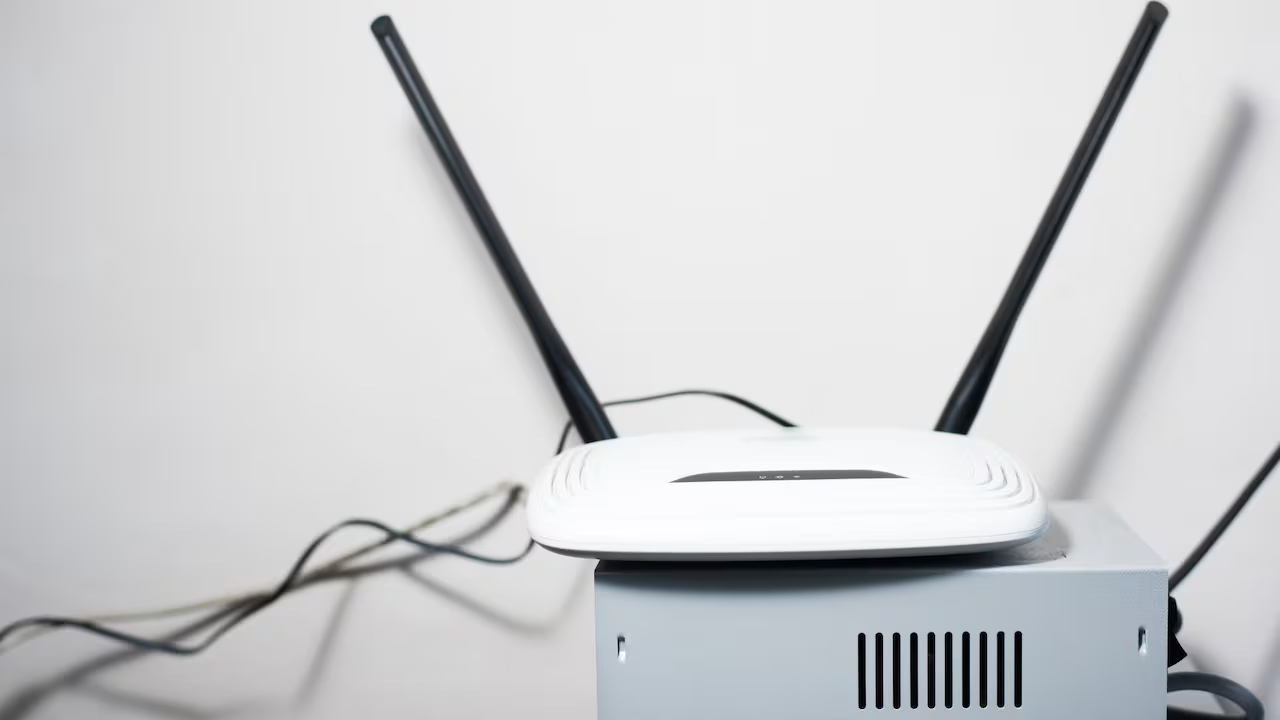
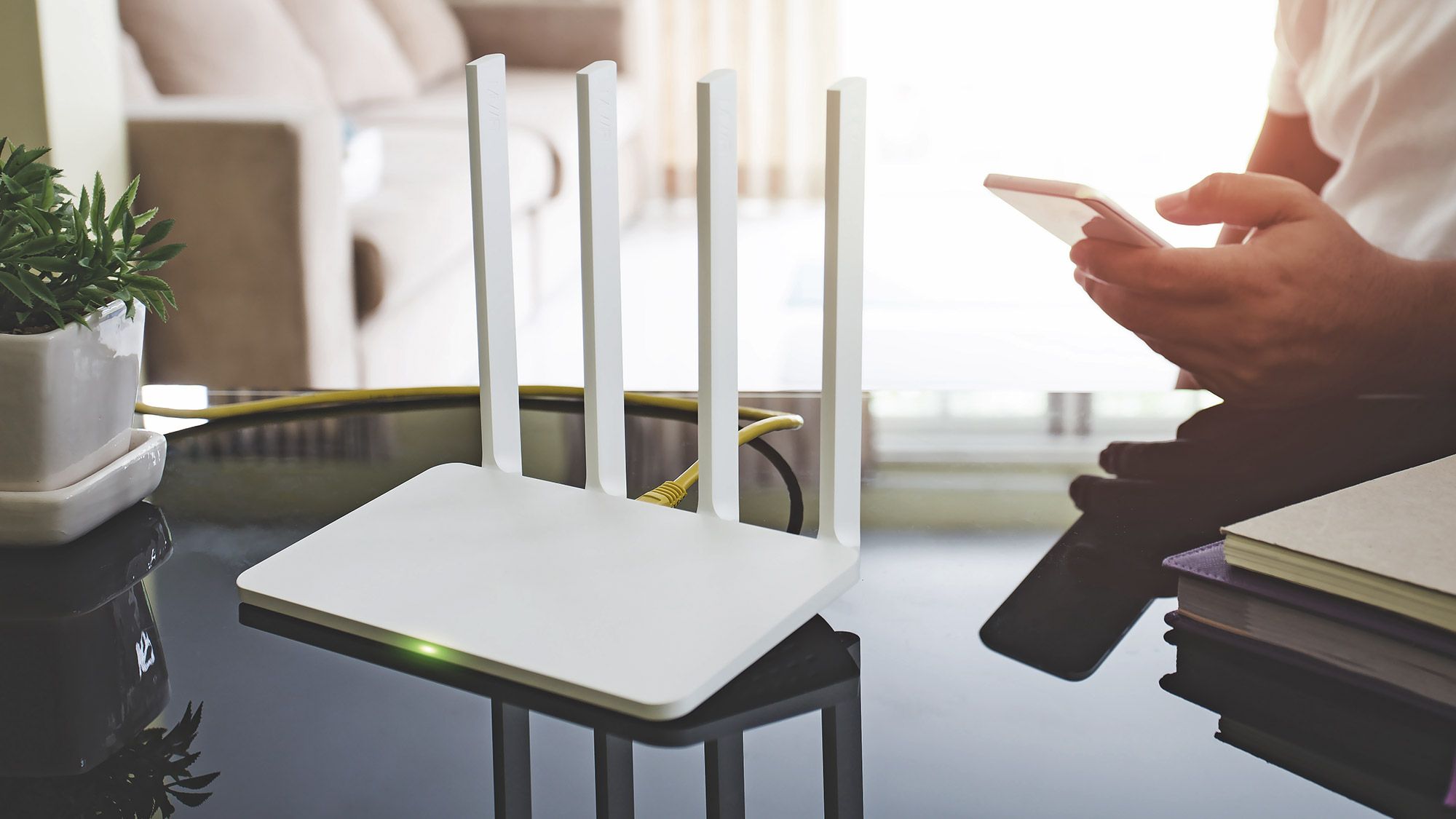
A router is a small computer with a processor, memory and radio chips packed into a plastic case that vents heat passively, with no fan in most consumer models. When the room around it gets hotter, the router has less room to shed its own heat. Its internal components work harder to push the same signal through warmer, and often more crowded, air. At the same time, summer break puts more people and more devices on the same home network. That happens during the exact hours internet providers see their heaviest regional demand. A network built to comfortably handle a handful of devices during a workday can bog down in the evening. That happens once every phone, tablet, game console and smart TV in the house is active after dinner.