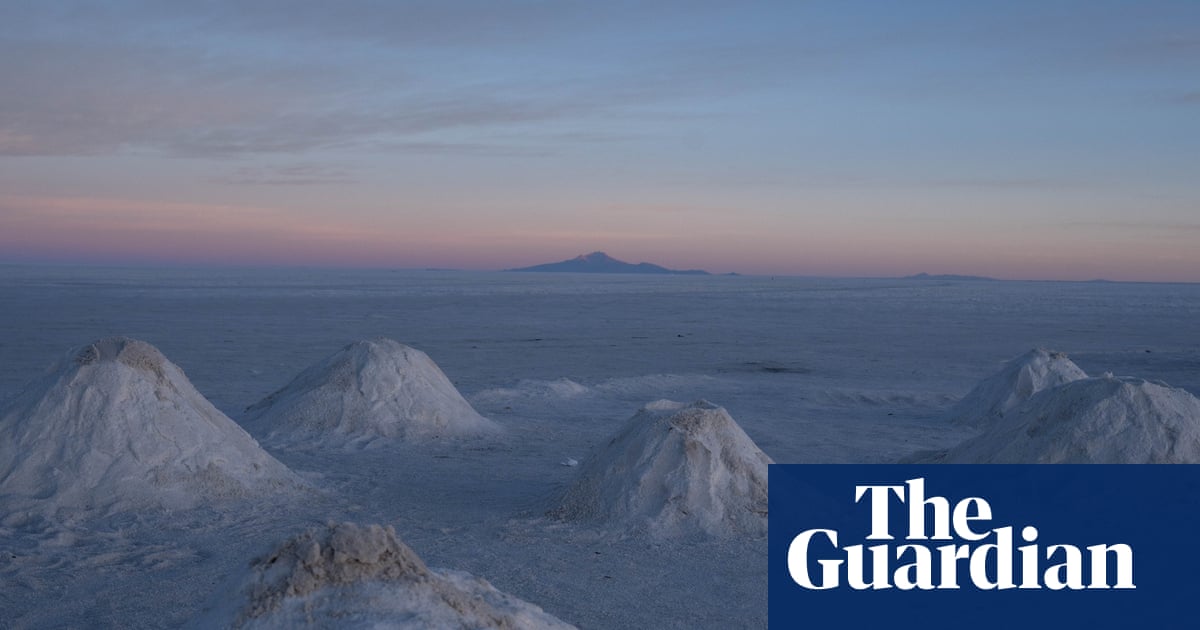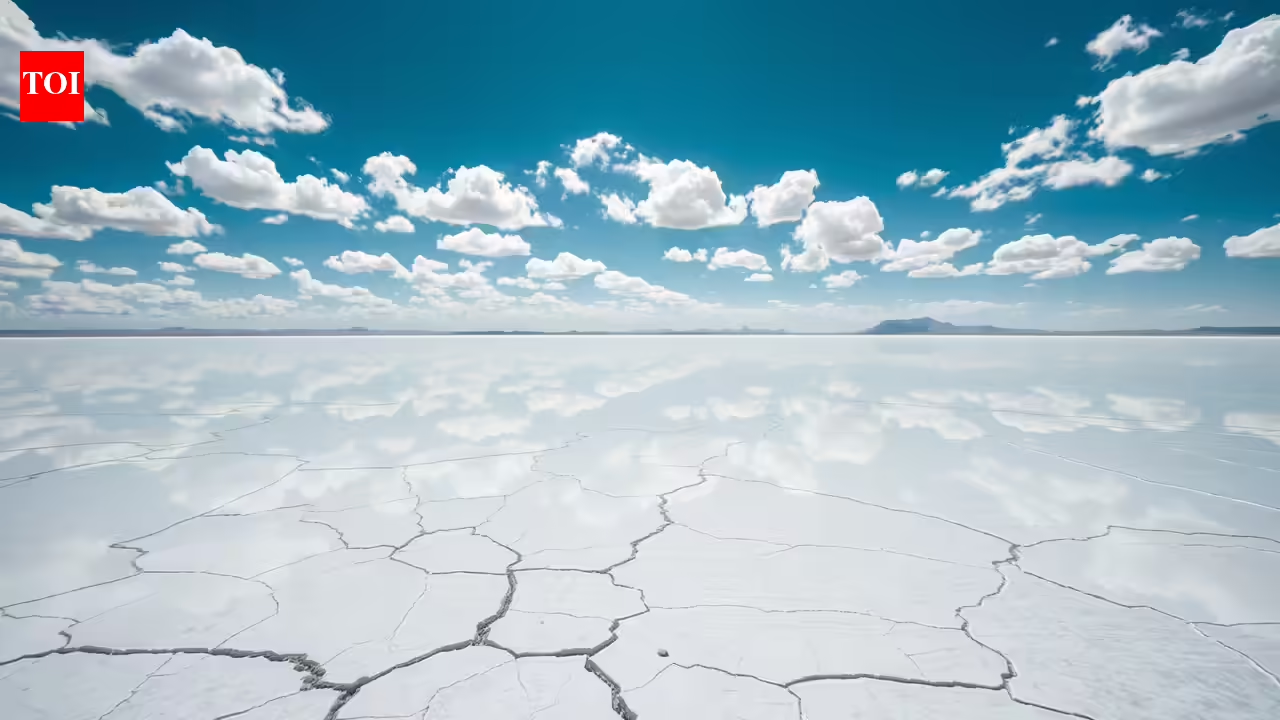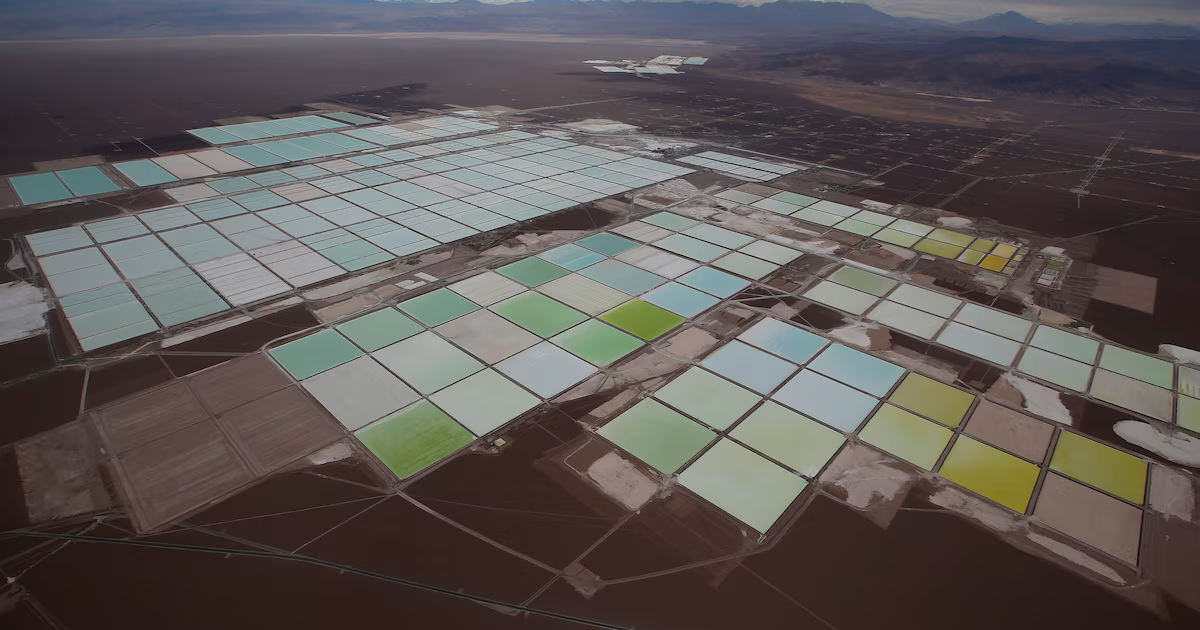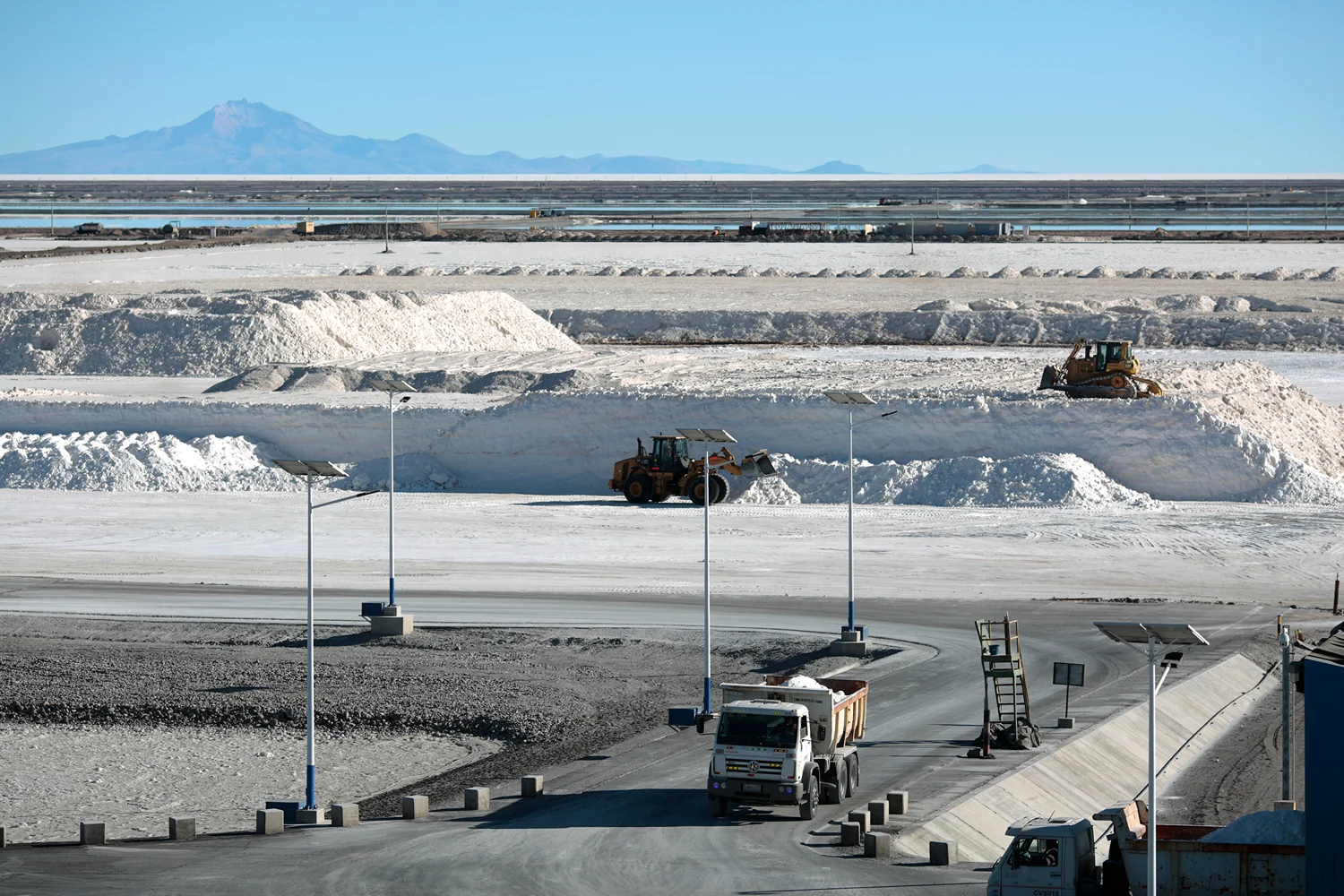
UYUNI, Bolivia—The Salar de Uyuni salt flat is the pride of Bolivia, spanning nearly 7,000 square miles and drawing thousands of tourists to its surreal bright-white landscape. It also lies atop a stockpile of lithium, a mineral crucial to the clean energy transition that’s long given hope to the country’s faltering economy.
Bolivia is home to roughly 20 percent of the world’s lithium deposits, mostly beneath Salar de Uyuni, but it produces less than 1 percent of global lithium. President Rodrigo Paz, who took office last year pledging measures to revive the economy, will be judged in part based on whether that number increases.
At Paz’s inauguration, he reiterated his campaign slogan of “capitalism for all” as the country moves away from two decades of left-wing rule. While prices have fallen from their peak in 2022, the metal is crucial to clean energy technology such as electric vehicle batteries and solar panels.
But any efforts to expand production will face fierce opposition from environmental advocates and Indigenous groups worried that further extraction will damage their livelihoods. In the towns scattered around Salar de Uyuni, people raise llamas and alpacas and grow quinoa, and they fear the lithium rush could contaminate the region’s groundwater and deplete its aquifers. Many migrated to Uyuni, the area’s largest town, to work in tourism. They worry lithium extraction will hurt that industry, too.