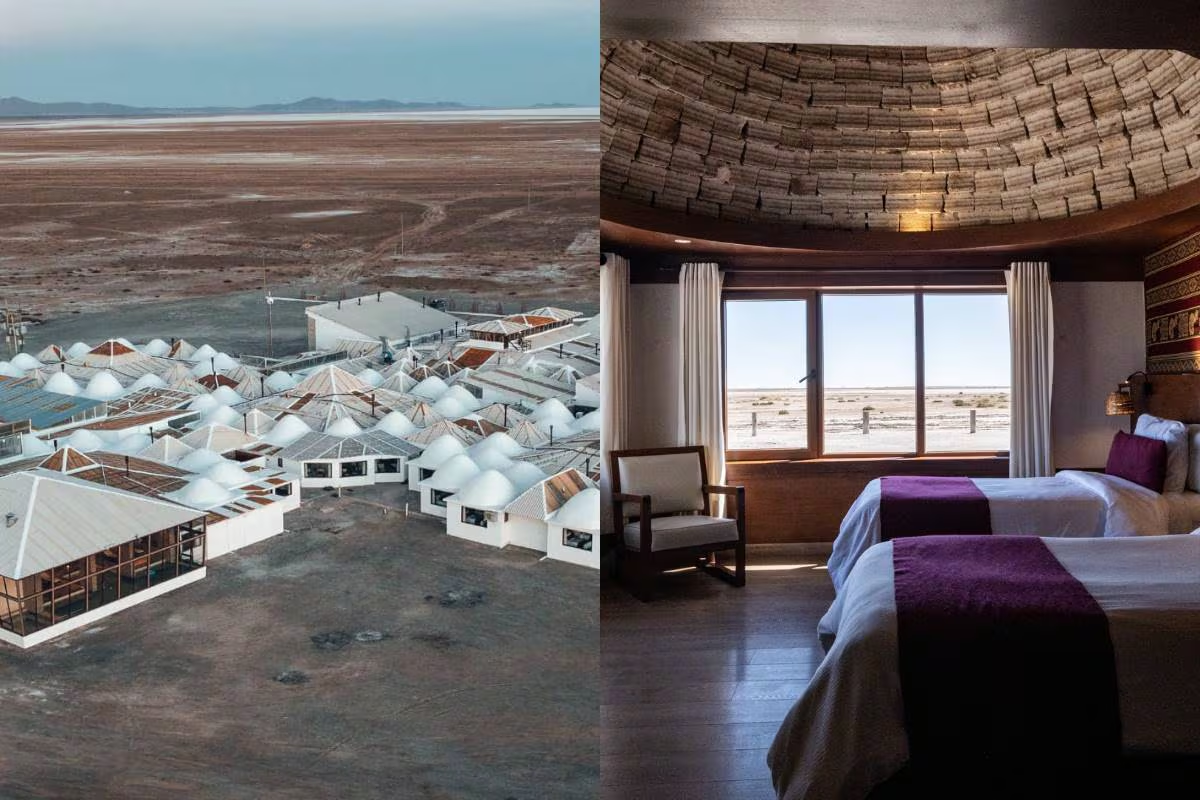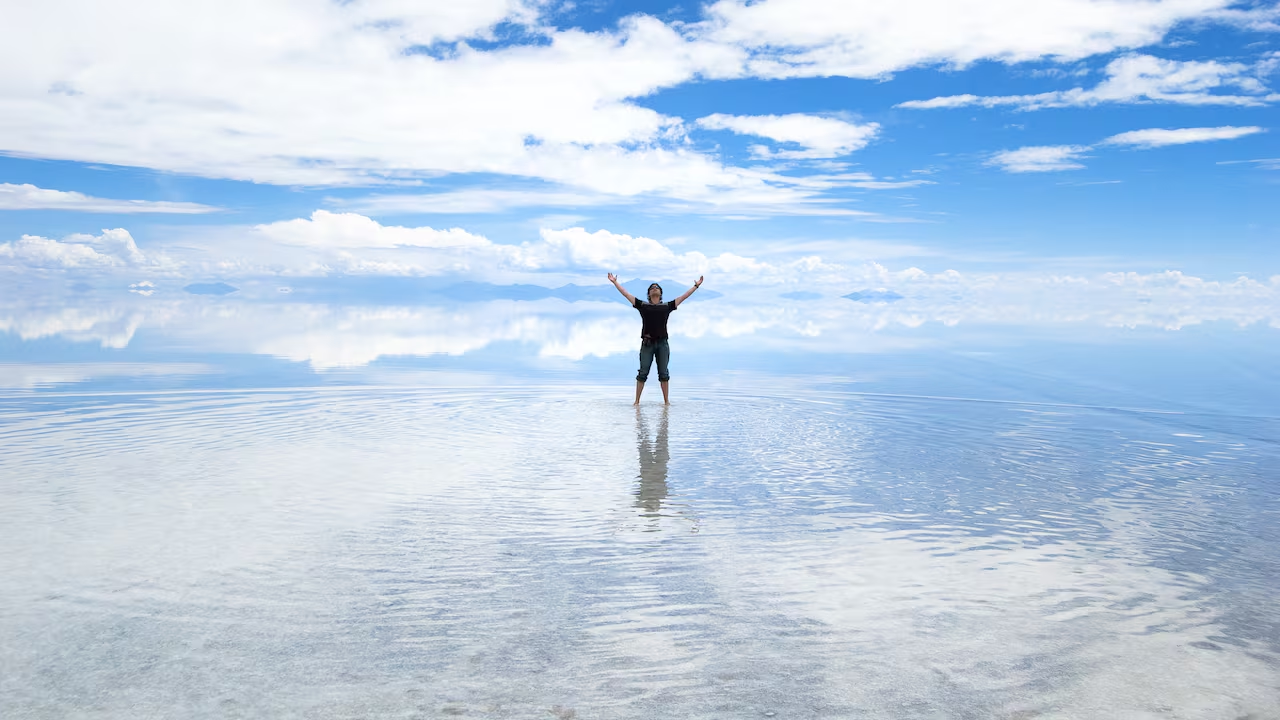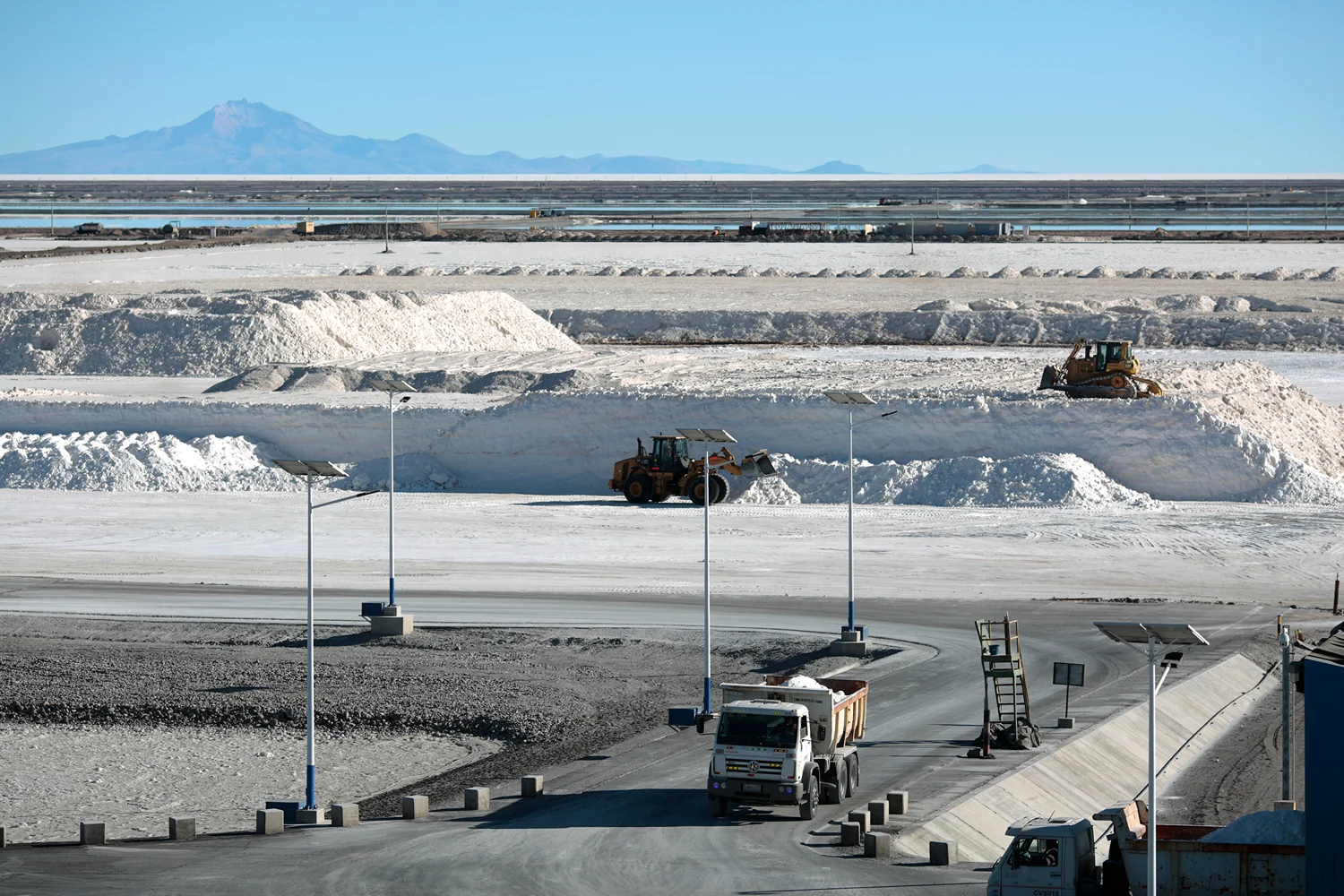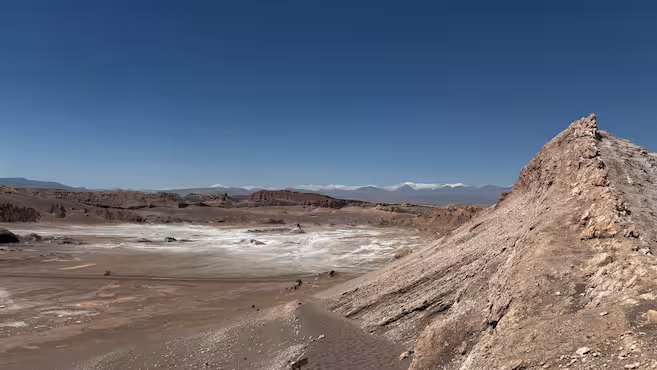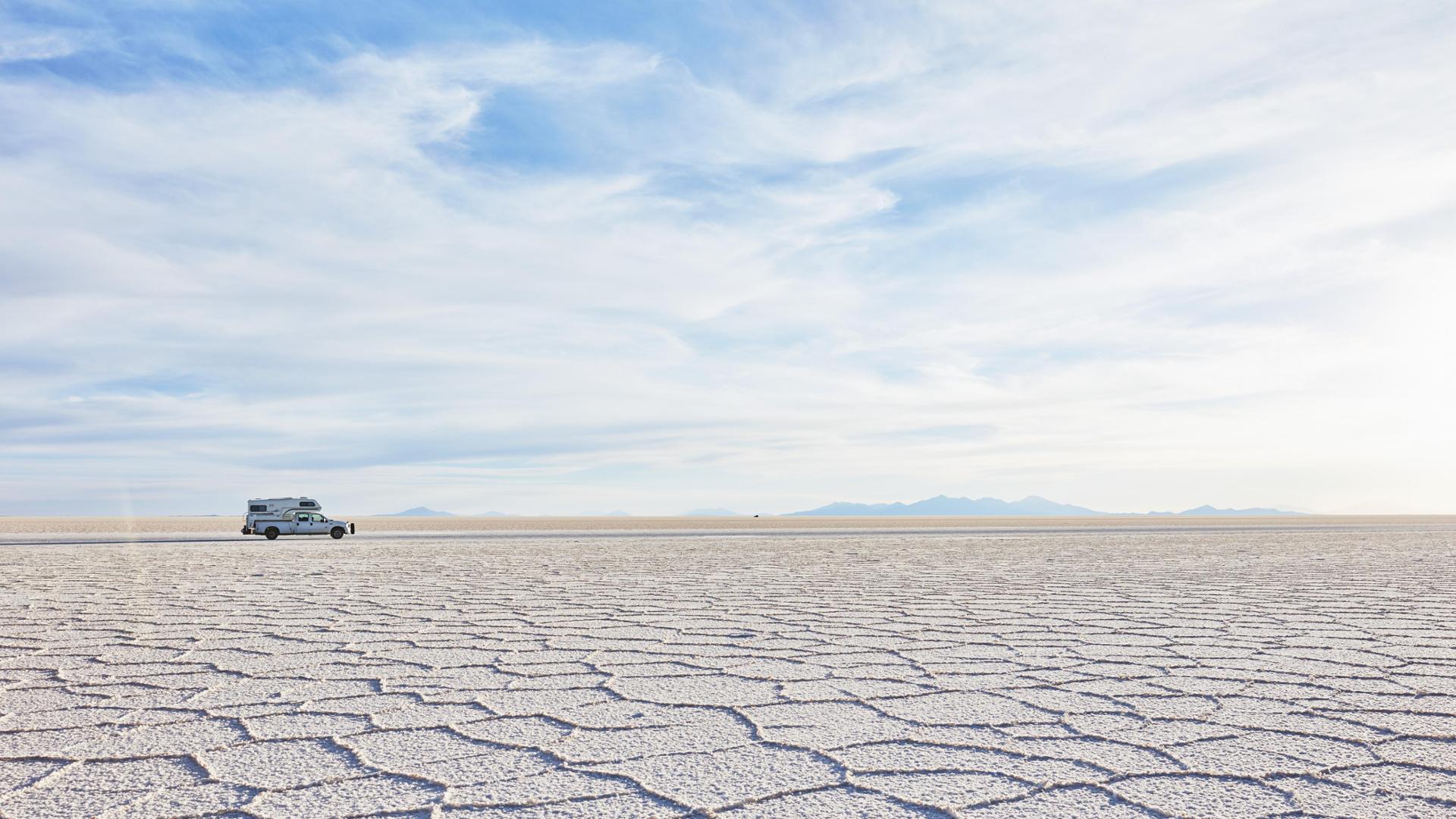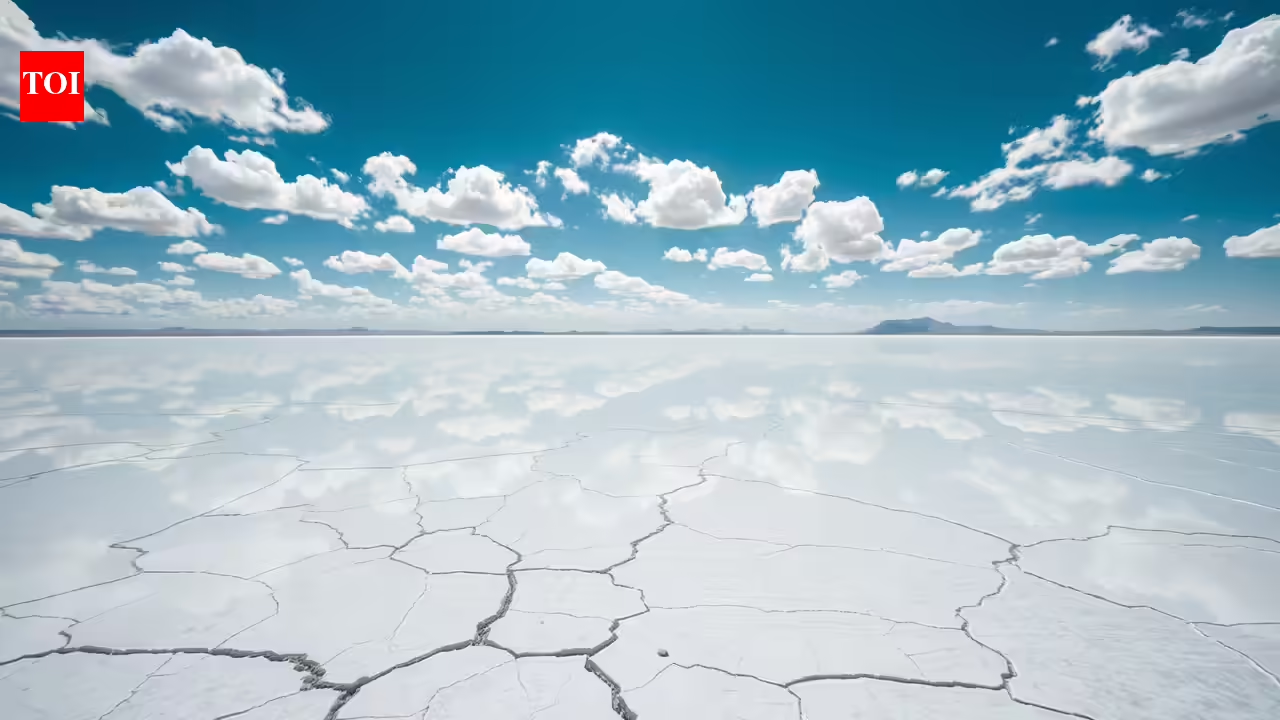
High up in the Andes mountains of Bolivia sits Salar de Uyuni, the biggest salt desert on the planet, stretching across roughly 4,000 square miles of blinding white salt. It sits nearly 12,000 feet above sea level and looks like something out of another world, especially when a thin layer of water covers the salt, turning the whole place into a giant mirror. But there is way more going on here than just a pretty view. Beneath this dry, cracked surface lies one of the richest lithium deposits anywhere on Earth, a mineral the whole world is racing to get its hands on right now.How the Salar de Uyuni salt flat formedThis giant salt flat was not always sitting on top of a mountain plateau. Around 5 million years ago, the land where the Andes now stand was much lower and the climate slowly turned dry, according to Sarah McKnight, an assistant professor of hydrogeology at the University of Dayton. Over time, ancient lakes in the region dried up completely under the intense heat and lack of rain, leaving behind thick layers of salt and sediment. Later, volcanic activity and shifting tectonic plates pushed these salty layers upward, eventually forming the high plateau where Salar de Uyuni sits today.Salt crust and freshwater upwelling explainedUnlike some other famous salt flats, like Salar de Atacama in Chile, which has a crust more than 3,300 feet thick in places, Uyuni's crust is fairly thin, sitting somewhere between 10 and 33 feet deep. McKnight explains that how much salt piles up really depends on how active the tectonic plates are underneath, and the ones below Uyuni are far less active compared to Atacama. Below this crust sits a layer of extremely salty water known as brine, but interestingly, fresh water also appears on top of the crust in certain spots through something called freshwater upwelling.Why does fresh water sit on top of the saltSalar de Uyuni is surrounded by snow-capped mountains and volcanoes that send melting snow trickling down toward the edges of the salt flat. This fresh water slips underneath the crust, but because it is less dense than the salty brine below, it rises up and floats right on top instead of mixing in. This process eventually pushes fresh water back up through cracks in the crust, creating shallow lakes on the surface. Uyuni typically has around six to eight of these lakes, and they play a big role in supporting wildlife like flamingos that depend on them for survival.Salar de Uyuni lithium reserves and the lithium triangleThe same fresh water responsible for these lakes is also the reason Salar de Uyuni holds so much lithium. As water flows down from the surrounding volcanic mountains, it picks up traces of lithium along the way, since the Andes are naturally rich in this mineral thanks to ongoing volcanic and hydrothermal activity. Uyuni sits within a region nicknamed the lithium triangle, spanning parts of Bolivia, Argentina and Chile, an area believed to hold a massive share of the world's total lithium supply.How much lithium does Salar de Uyuni actually holdEstimates on exactly how much lithium sits beneath Uyuni vary depending on the source. A widely cited 2012 study in Renewable and Sustainable Energy Reviews put the figure at around 11.2 million tons, which would make up roughly 38 percent of the world's known lithium reserves. Other estimates differ quite a bit, though. The United States Geological Survey suggests the number is closer to a quarter of the global supply, while some sources put it as high as half.Why lithium mining hasn't taken over Uyuni yetDespite holding so much lithium, Salar de Uyuni has not turned into a mining hotspot just yet. According to McKnight, the lithium is so thinly spread across the massive salt flat that no one currently has the technology to extract it in a way that actually makes financial sense. And in some ways, that delay has worked in the region's favor. McKnight points out that these desert ecosystems are incredibly fragile, meaning any large-scale mining project could easily disturb the delicate balance that allows wildlife, especially birds like flamingos, to keep surviving in such a harsh, salty environment. For now, Salar de Uyuni remains one of nature's most striking landscapes, a place where volcanoes, ancient lakes and shifting tectonic plates came together to create something both beautiful and incredibly valuable.
Salar de Uyuni is the world's largest salt flat, and beneath it lies one of the planet's biggest lithium reserves
High up in the Andes mountains of Bolivia sits Salar de Uyuni, the biggest salt desert on the planet, stretching across roughly 4,000 square miles of blinding white salt. It sits nearly 12,000 feet above sea level and looks like something out of another world, especially when a thin layer of water covers the salt, turning the whole place into a giant mirror.
730 words~3 min read