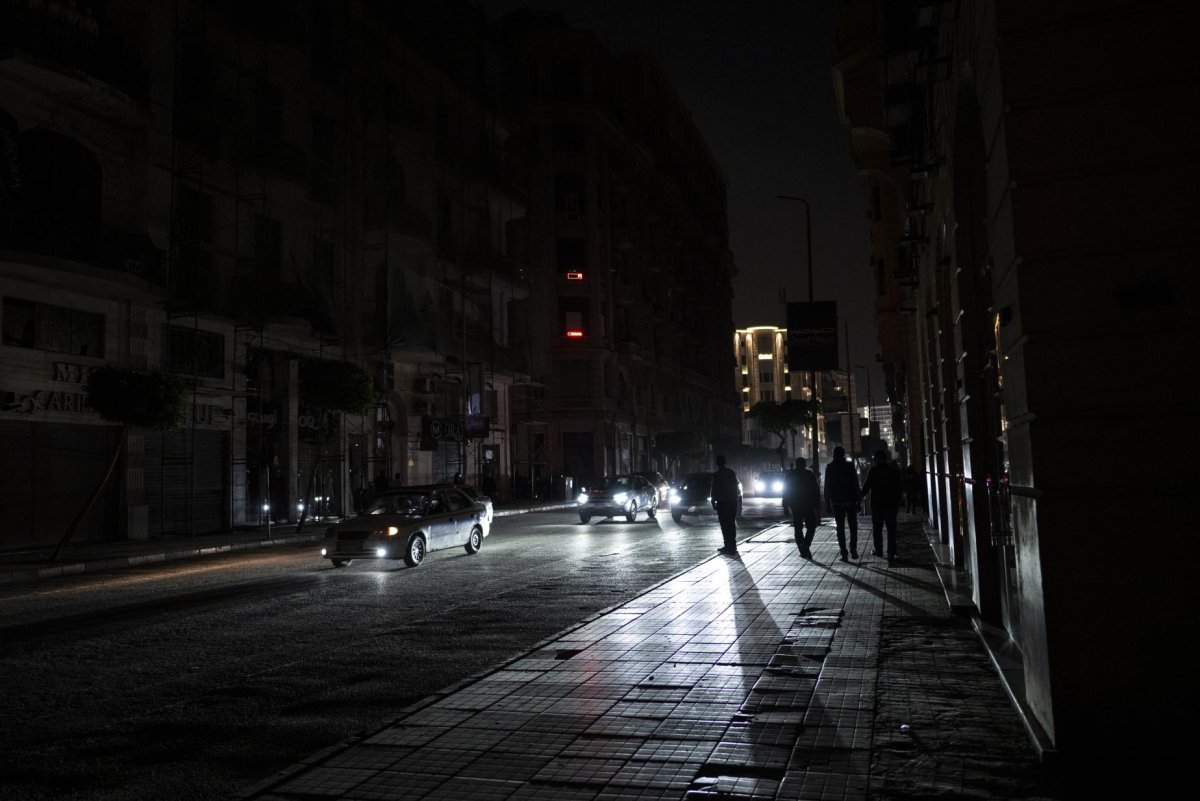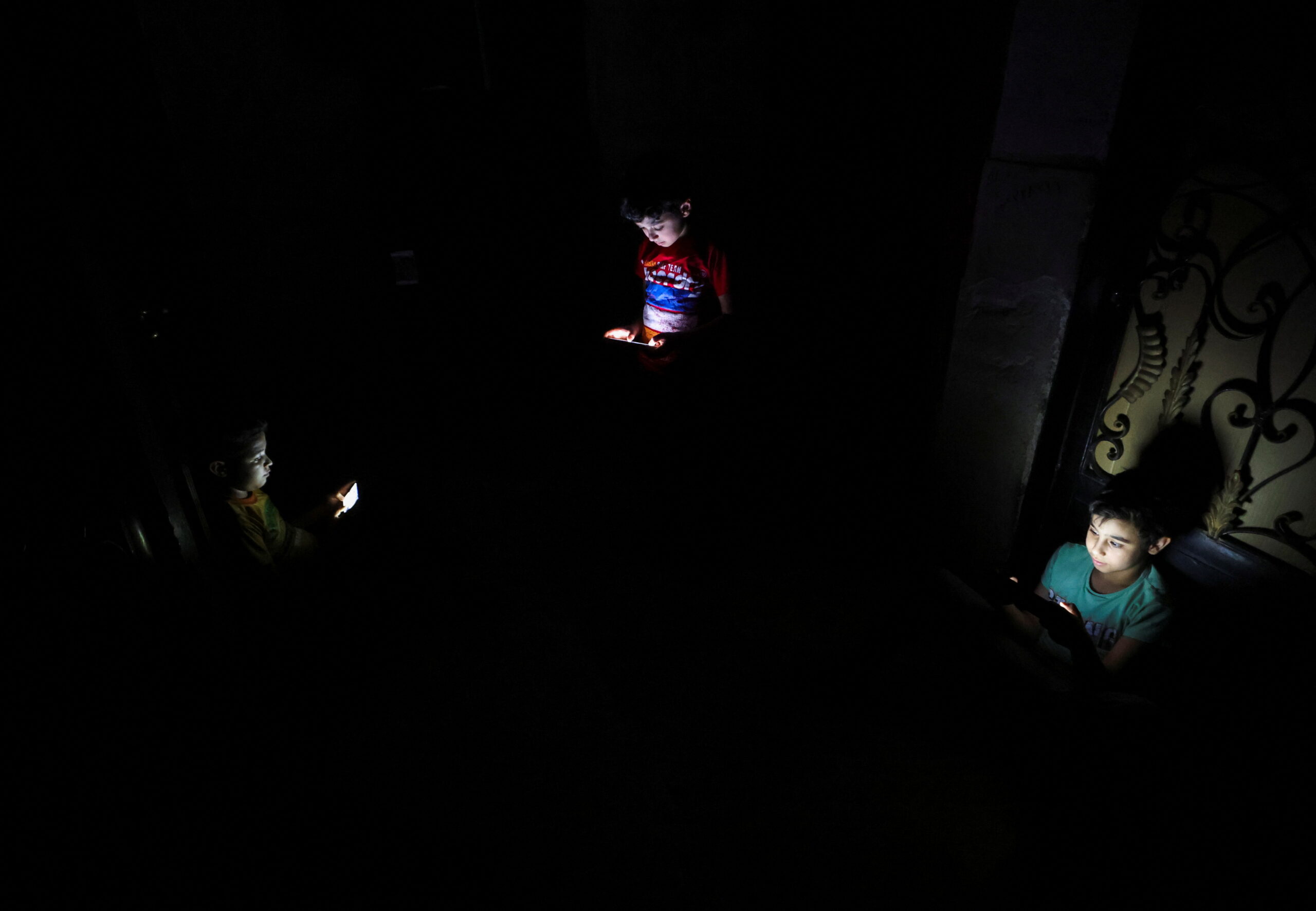
For several weeks during the spring, Cairo, a city known to never sleep, was forced to dim its lights. Government regulations reduced streetlights and ordered shops, restaurants, and cafes to close at 9 p.m. as the war in Iran drove up fuel costs and disrupted Egypt’s energy supplies. While the measures were temporary, the underlying vulnerability surrounding them is not.
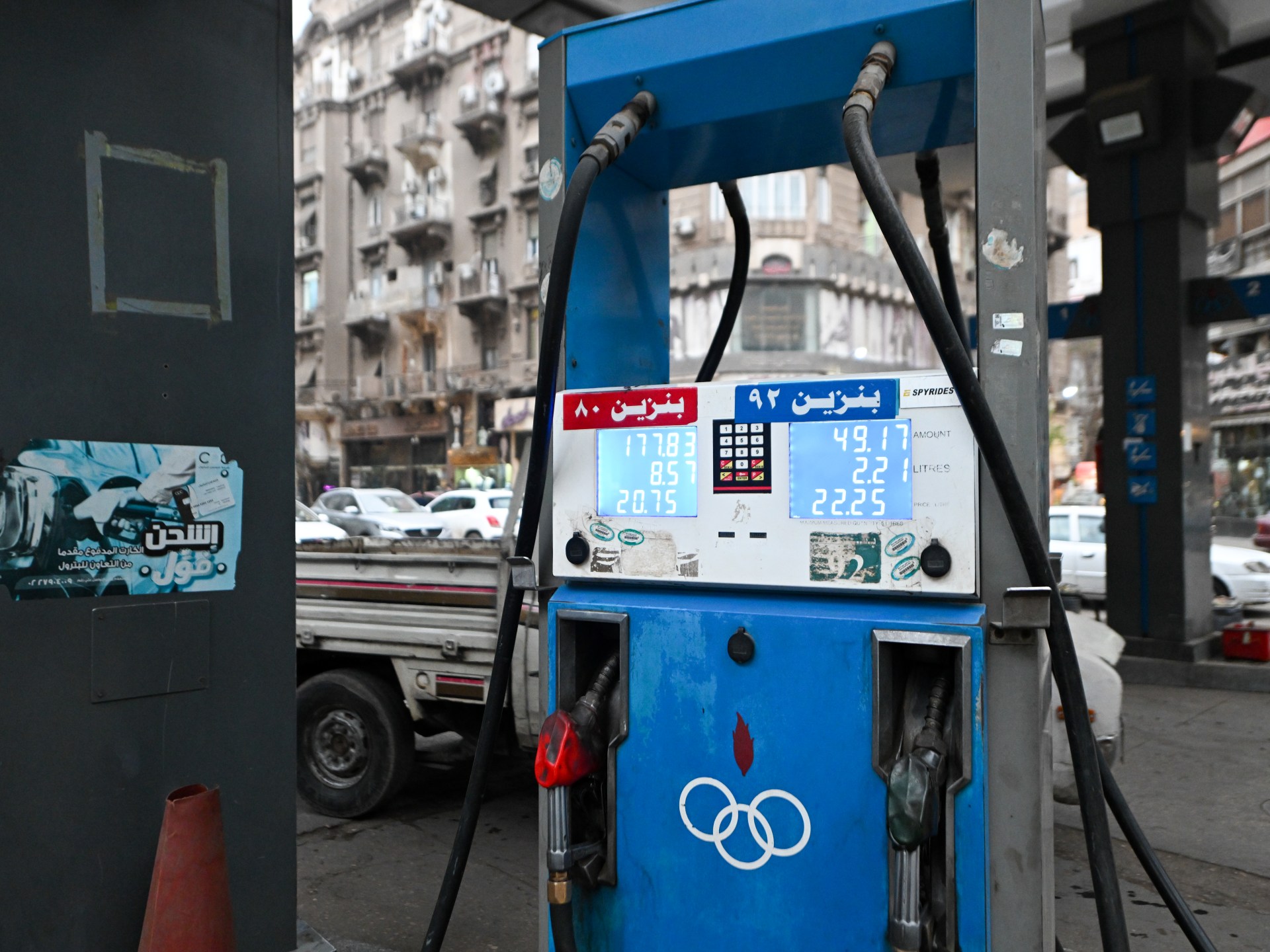
The Iran war exposed a vulnerability that extends well beyond electricity supply. Amid the global energy crisis sparked by the Iran war, Egypt has endured frequent power cuts and price hikes. These measures not only put pressure on Egyptian households but also impair further government efforts to revive economic growth. With foreign investors already wary of throwing their weight behind the Egyptian market, repeated power shortages and emergency conservation measures make attracting long-term capital even harder.
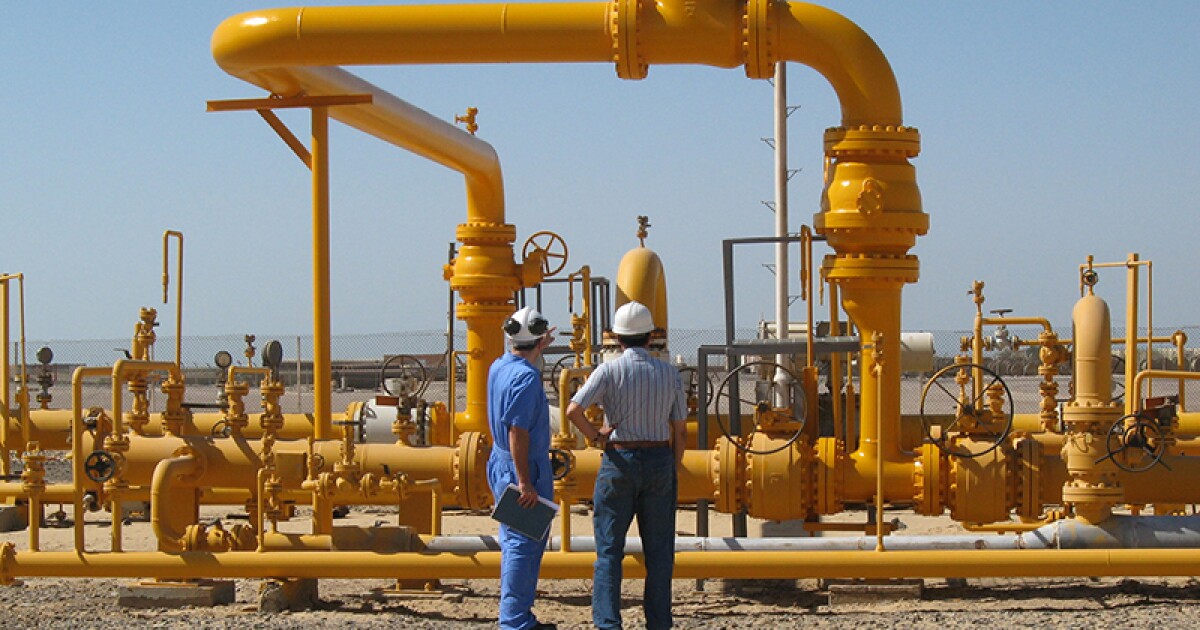
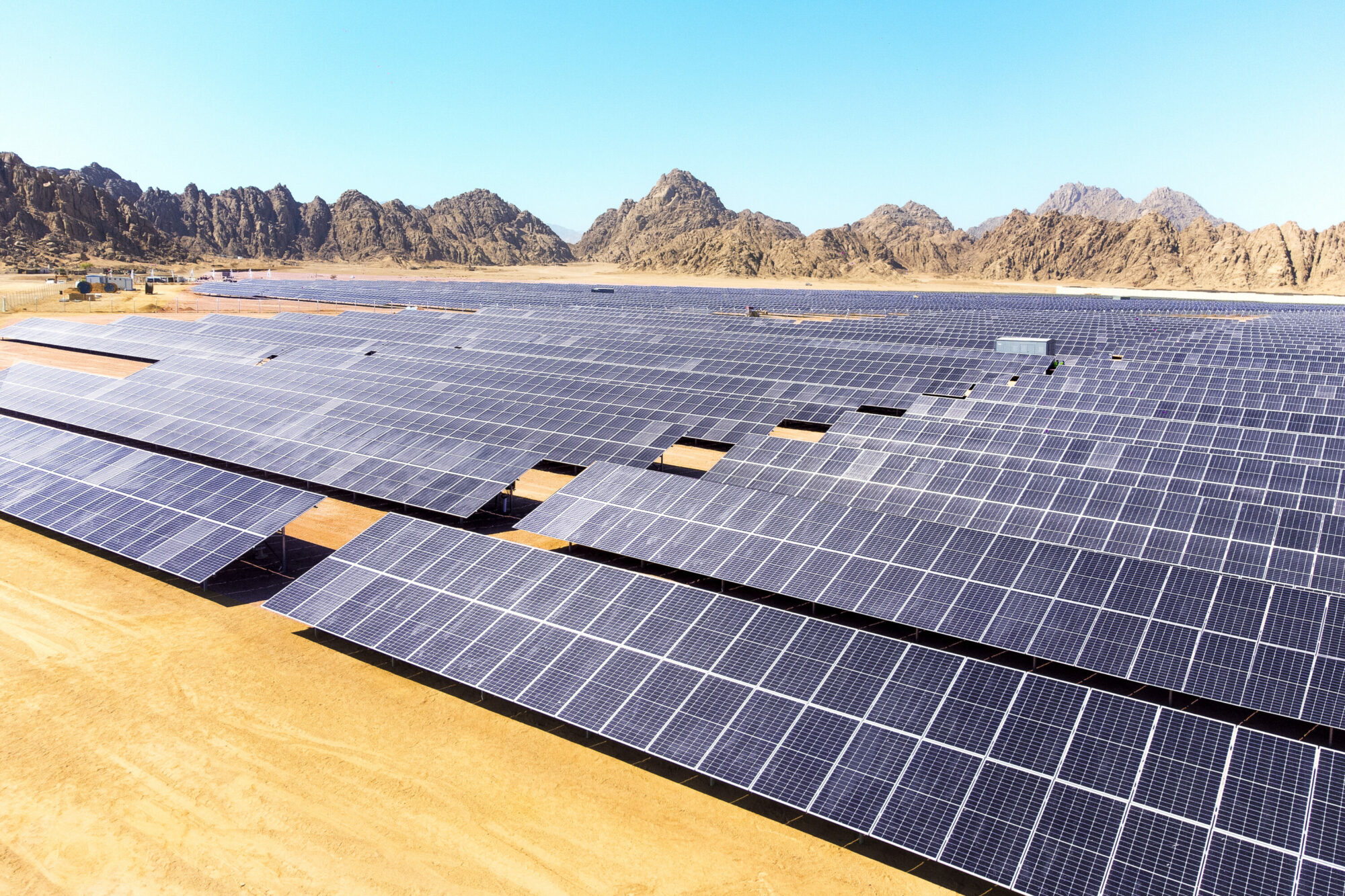
Breaking free from this vulnerability requires treating energy security as an immediate political and economic priority. What is needed is a two-track strategy: accelerating Egypt’s green energy buildout while managing its natural gas reserves for sustained output rather than short-term gains.
Egypt’s geopolitical energy constraints