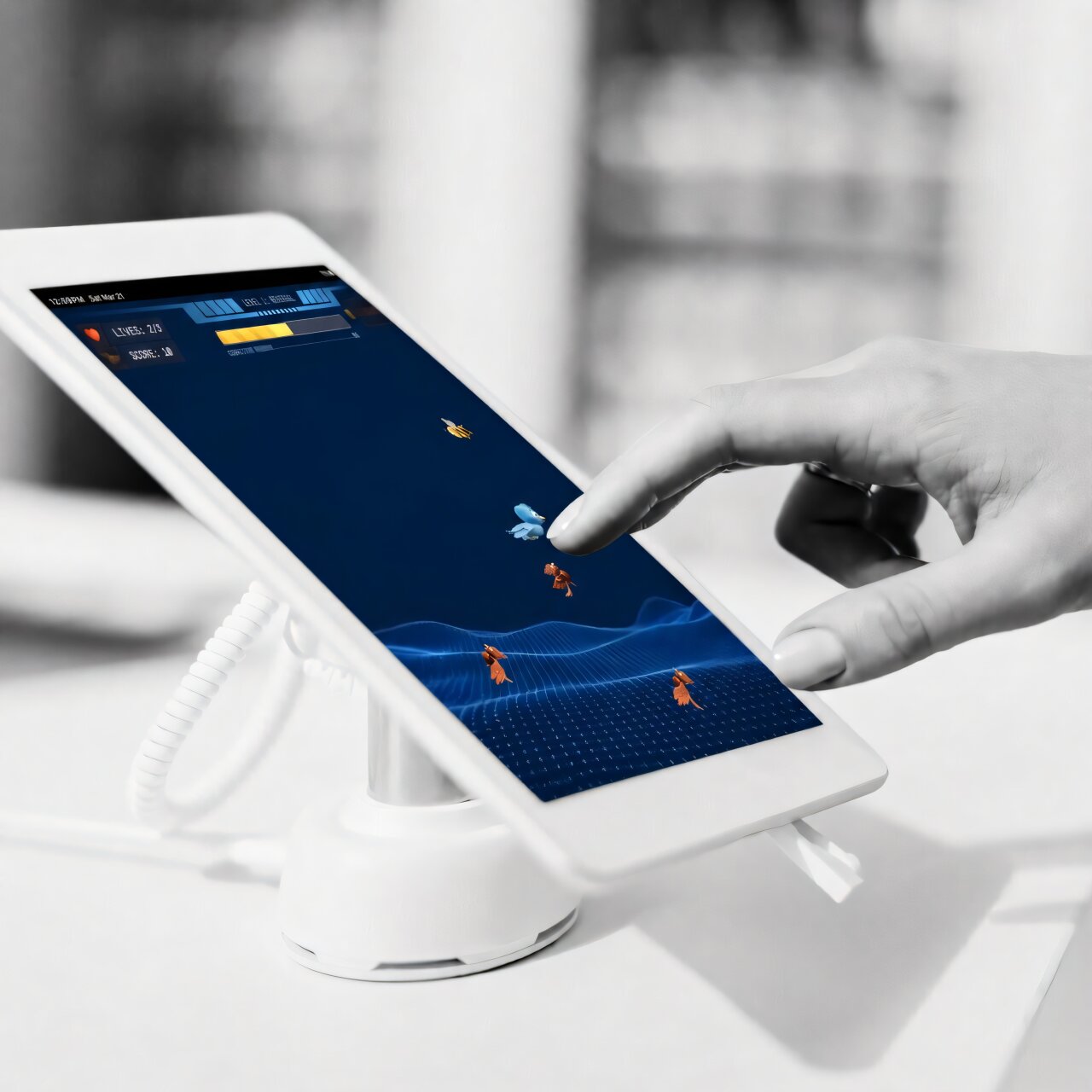
One of the NERON kiosks. Credit: York University
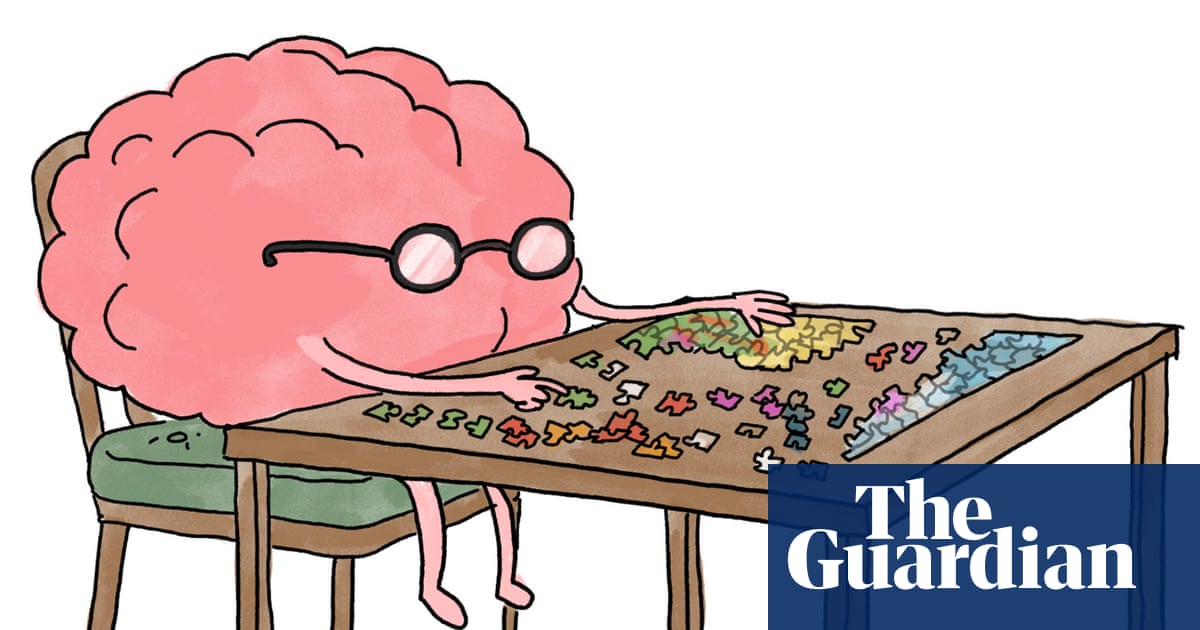
Dementia can be brewing in the background for years before the telltale signs of memory lapses and difficulties with wayfinding creep into people's daily lives or are detected through memory tests, but endless crossword puzzles or sudoku are unlikely to make a meaningful difference.
Decades of research as the scientific lead of York University's Sensorimotor Neuroscience Laboratory have taught Lauren Sergio that brain games are not enough to stave off dementia or recover from a concussion at any age. The missing piece is combining thinking with movement, she says. "Cognitive brain training on its own hasn't been shown to work in terms of maintaining functional independence because it doesn't incorporate movement."
Brain changes associated with mild cognitive impairment or early dementia often first appear as cognitive motor integration changes, such as changes in movement, coordination and slower reactions when having to think and move at the same time, rather than memory issues, she adds. For those with concussions, whether elite athletes, children or older adults, recovery is faster when they are given tasks that force their brains to make new connections through movement.