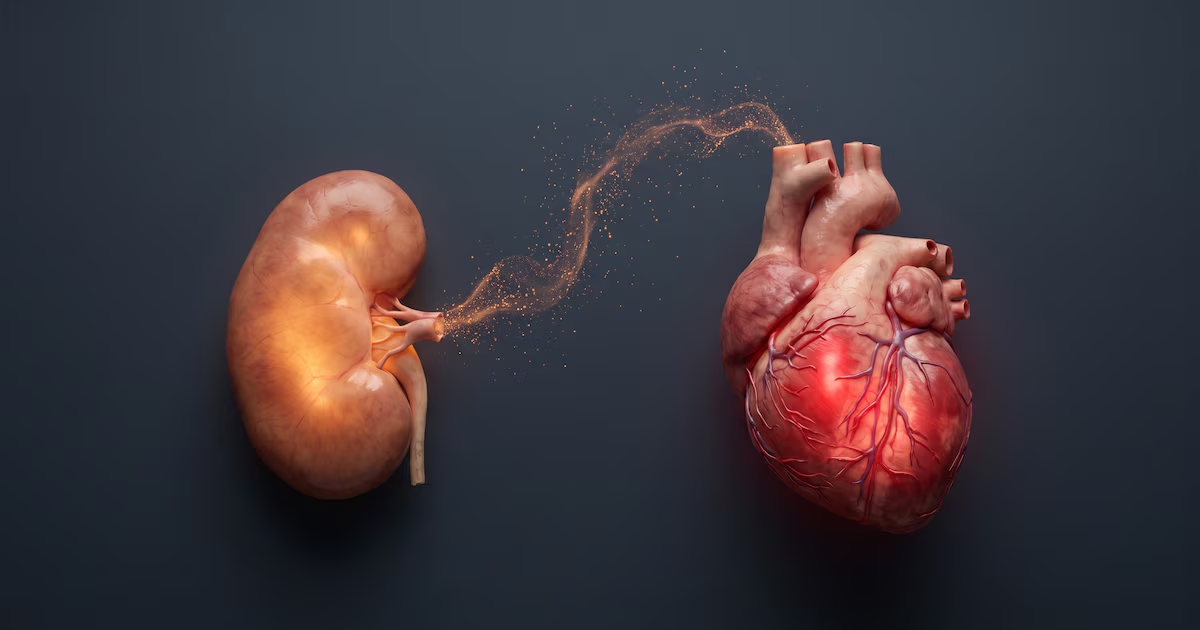
Dehydration can affect much more than your thirst. It also can place extra stress on your heart and cardiovascular system, explains Dr. Brodie Marthaler, a cardiologist at Mayo Clinic Health System in Eau Claire.
"Think of the heart as a pump. For it to work properly, enough blood needs to return to it with every heartbeat," Marthaler says. "When you become dehydrated, the amount of fluid circulating in your bloodstream decreases. That means less blood returns to the heart, so it has to work harder to keep blood moving throughout your body."
Your body has several built-in ways to respond to dehydration. Blood vessels narrow to help maintain blood pressure, and your heart beats faster to keep blood moving. If dehydration becomes more severe, those usual responses can begin to fail. As a result, organs such as the brain, kidneys, liver and digestive system may not receive enough blood to function properly.
Recognizing dehydration and knowing your risks
As dehydration worsens, symptoms can include: