Read The Diplomat, Know The Asia-Pacific
At the heart of the global effort to diversify away from Chinese supply of critical minerals is the tension between friendshoring and strategic autonomy.
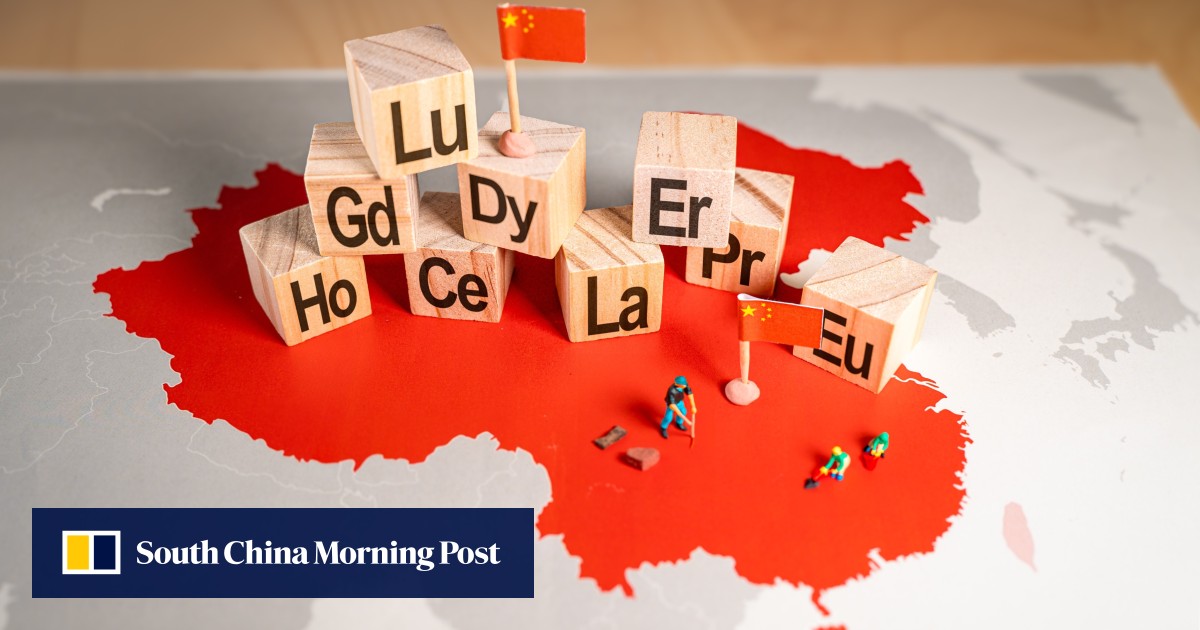
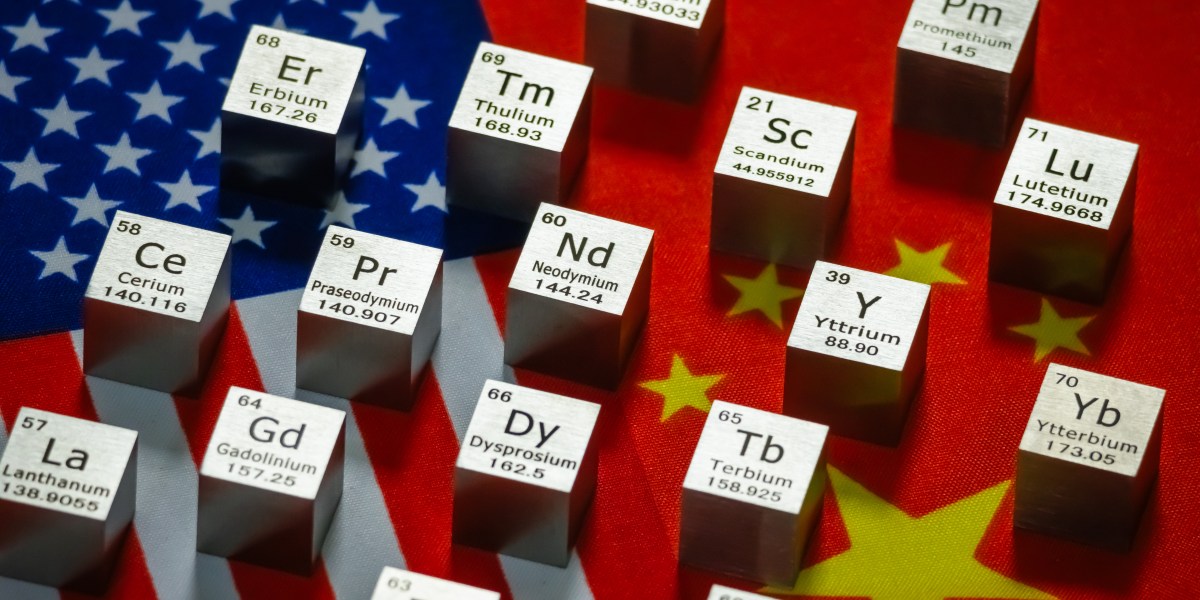
China’s dominance over the global supply of rare earth minerals – and related export controls – have been one of Beijing’s key geoeconomic levers in recent years. Since the second wave of U.S. trade sanctions in April 2025, China has ramped up restrictions. Most recently, in June 2026, Beijing added more new U.S. companies and created a reporting mechanism for violations, thereby further weaponizing its rare earths dominance.
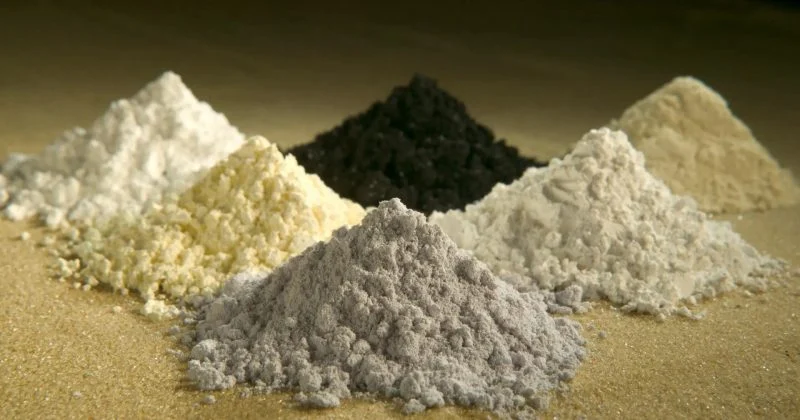
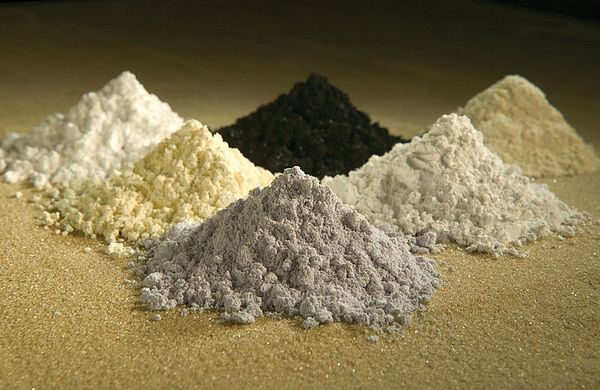
Government efforts to diversify away from China in Asia, North America, and Europe have been moderately successful, foremost regarding light rare earths. But Beijing still possesses such extraordinary leverage, particularly in the heavy rare earth elements (HREEs). These materials are essential in the production of high-temperature permanent magnets and are widely used in advanced defense systems, electric vehicles, and offshore wind turbines.
It is evident China is the lone superpower in this field. It currently dominates all three stages of the value chain, with International Energy Agency (IEA) statistics showing China controls nearly 60 percent of HREE mining, 91 percent of refining, and 94 percent of magnet production in 2024. Notably, China’s dominance increases as it moves downstream.