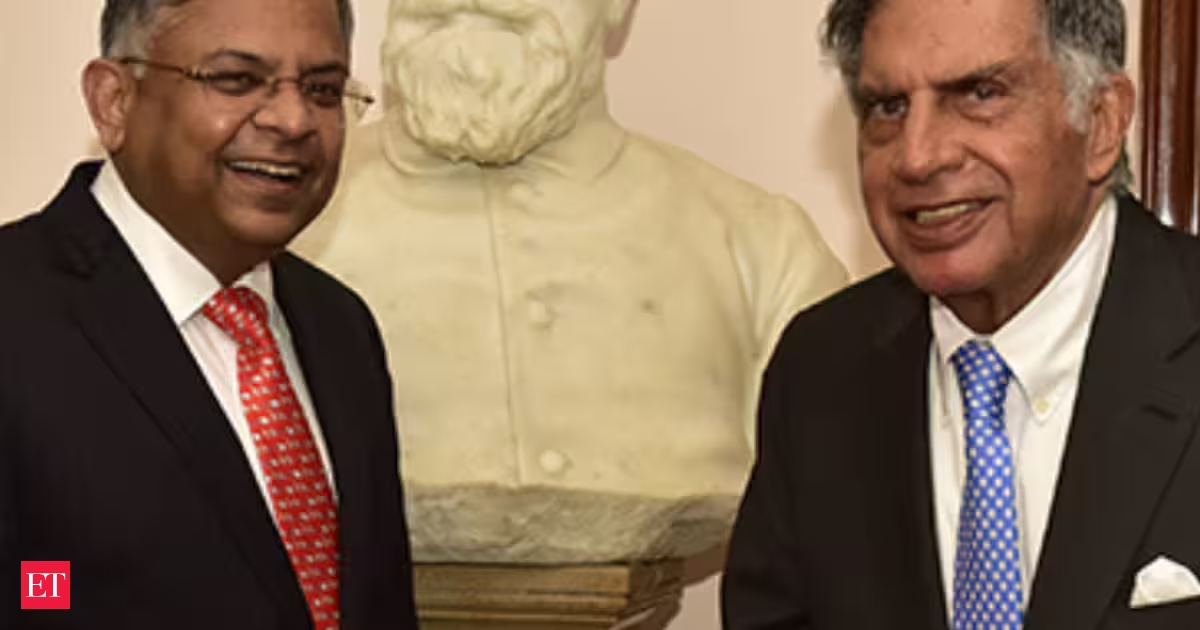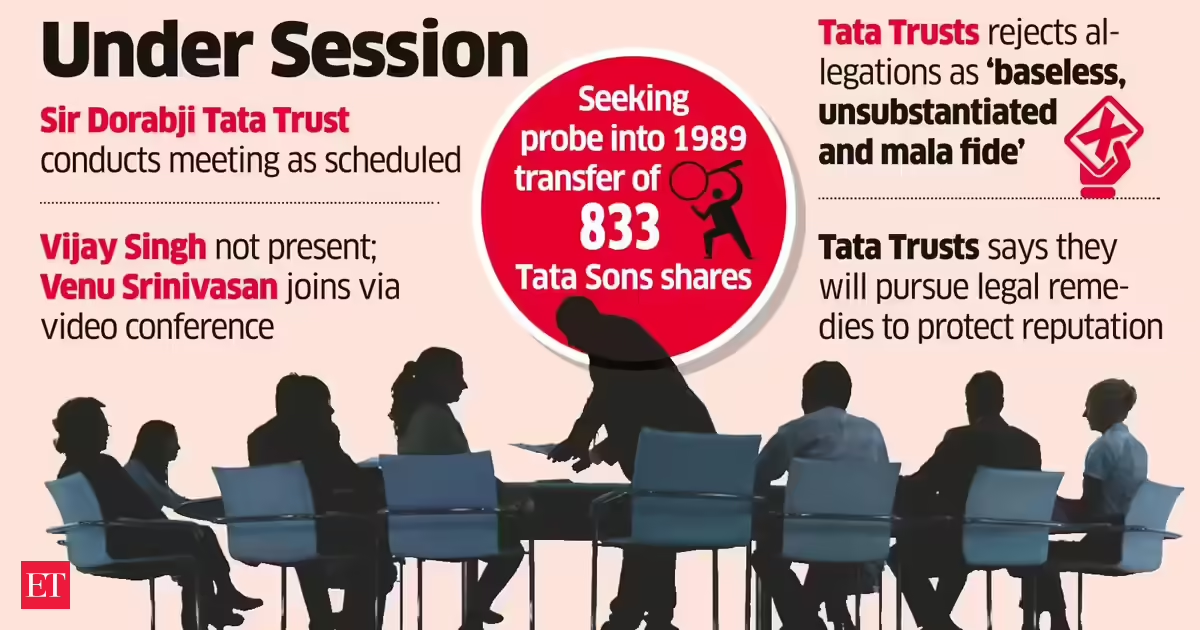
The continuing regulatory restrictions on the Sir Ratan Tata Trust (SRTT), which have led to the adjournment of Tata Sons’ annual general meeting and delayed the disbursal of nearly ₹2,900 crore due to two key Tata Trusts, are raising questions over whether all available legal remedies have been explored, said sources.The issue has assumed urgency as the delay carries a significant financial cost for the charitable trusts. Based on an assumed annual return of 7 per cent the deferred receipt of about ₹2,900 crore translates into an opportunity cost of roughly ₹56 lakh a day.According to sources familiar with the matter, at least one trustee has flagged concerns over the ongoing delay and its impact on the trusts’ financial interests, prompting questions over whether independent legal opinion has been sought and whether urgent legal remedies have been considered to protect the interests of the charitable institutions and their beneficiaries.The restrictions on SRTT have prevented the trust from participating in meetings, resulting in the lack of quorum that forced Tata Sons to adjourn its AGM. Besides delaying dividend payments, the situation could also slow the process of appointing a successor to Tata Sons Chairman N Chandrasekaran, who has indicated he will not seek a third term after his current tenure ends in February 2027.Against this backdrop, sources said that Tata Trusts Chairman Noel Tata met veteran banker Deepak Parekh in Mumbai on Wednesday, with Tata Trusts trustee Darius Khambata also said to be present. The reported meeting was linked to discussions on succession planning and the proposed selection process for Tata Sons’ future leadership. However, sources close to the individuals involved denied that any such meeting took place.Two key trusts - the Sir Ratan Tata Trust (SRTT) and Sir Dorabji Tata Trust hold 52 per cent stake in Tata Sons - the holding company of Tata Group. The Tata Sons AGM, scheduled for August 18, was adjourned after the required quorum could not be established, as the company’s Articles of Association require their joint nomination of a representative for the quorum. SRTT has been restricted from holding trustee meetings by the Maharashtra Charity Commissioner.The impact of the Charity Commissioner’s order has extended beyond the internal functioning of SRTT to its ability to exercise shareholder rights in Tata Sons. Earlier reports said SRTT had sought a one-time waiver from the Charity Commissioner to enable its trustees to meet and consider matters including the Tata Sons dividend. Given the scale of the financial interests involved, sources close to the Tata Group have argued that the trustees should demonstrate that they had acted with the “care, diligence and independence” expected of custodians of charitable assets.Meanwhile, the process of selecting a new Chairman of Tata Sons can gain speed only after the lifting of regulatory restrictions on SRTT.Published on August 20, 2026
Tata Trusts delay raises questions over legal recourse as dividend payout remains stuck
Tata Trusts face urgent legal questions as delayed dividend payout of ₹2,900 crore impacts their financial interests and operations.
467 words~2 min read