Free daily briefing on global business news.
House flipping is paying off again after years of shrinking margins. ATTOM's data shows exactly where investors are cashing in this year
Kathleen Culbertson / Unsplash
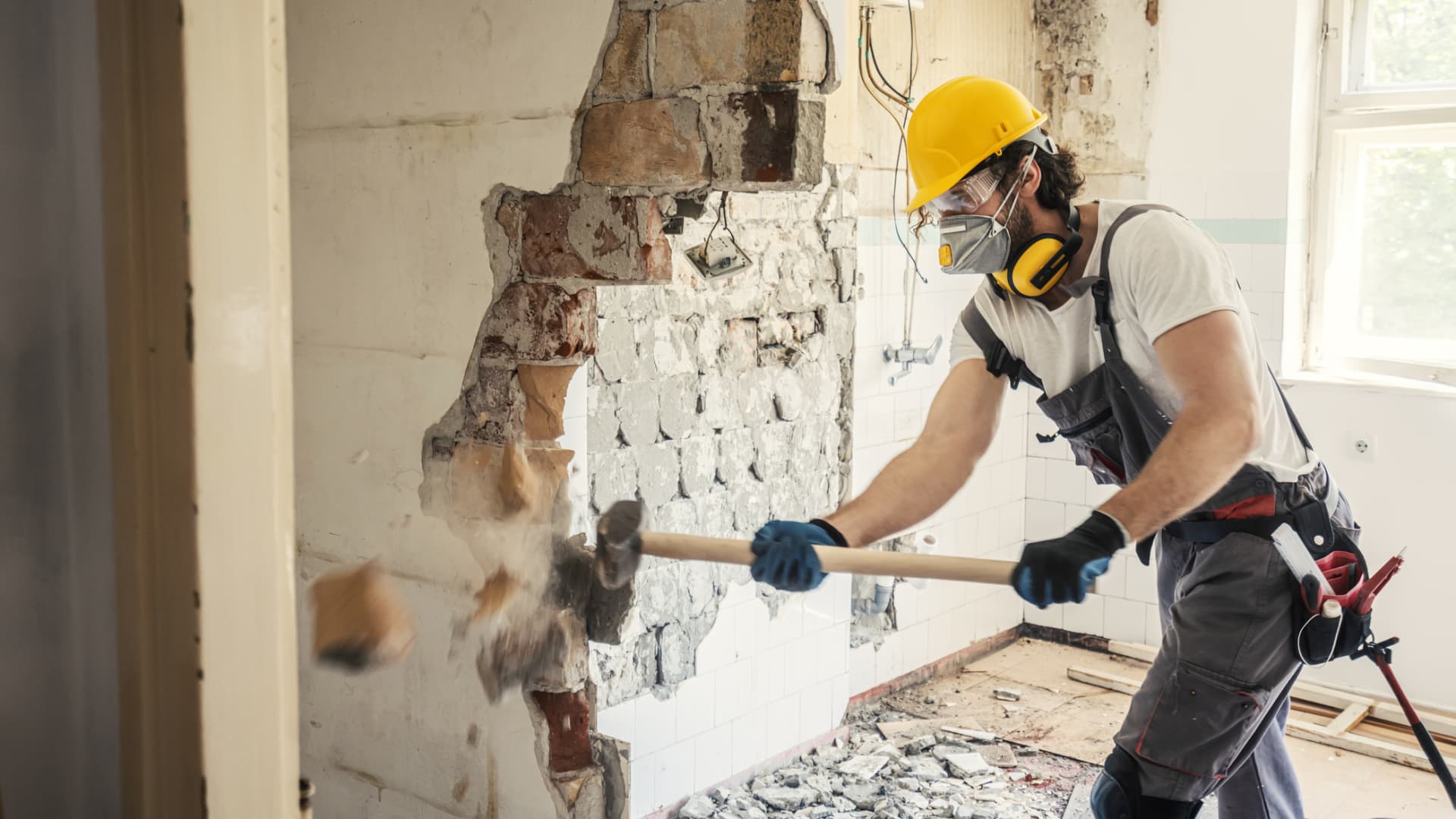
Buying a run-down house, fixing it up and selling it for a profit sounds simple in theory, but the math behind it has gotten a lot less forgiving over the past few years. Rising purchase prices squeezed the gap between what an investor pays for a property and what a renovated version can fetch, while higher borrowing costs and longer renovation timelines ate into whatever profit was left. Plenty of investors who tried flipping during the boom years found the numbers no longer worked once rates climbed and buyers grew pickier. The location of a flip now matters as much as the renovation itself. The same purchase price and the same renovation budget can produce wildly different outcomes depending on where the house sits.
Nationwide, the typical home flip in the first quarter of this year sold for a gross profit of $66,000, a slight improvement from the previous quarter but still below the $74,172 investors were pocketing at the same point last year. Profit margins followed the same pattern, edging up to 25.4% after seven straight quarters of decline, though that figure remains well under the 29.6% return recorded a year earlier. Flipped homes now take longer to resell too, with the typical flip taking 165 days from purchase to sale, up from 160 days the previous quarter. Cash remains the dominant way investors buy these properties, accounting for more than three in five purchases nationwide. Financing a fast renovation project is often harder to arrange than paying outright, explaining why so many flips still close in cash.