Read The Diplomat, Know The Asia-Pacific
Now Beijing needs to build domestic demand for recycled materials – and global rules for the trade.
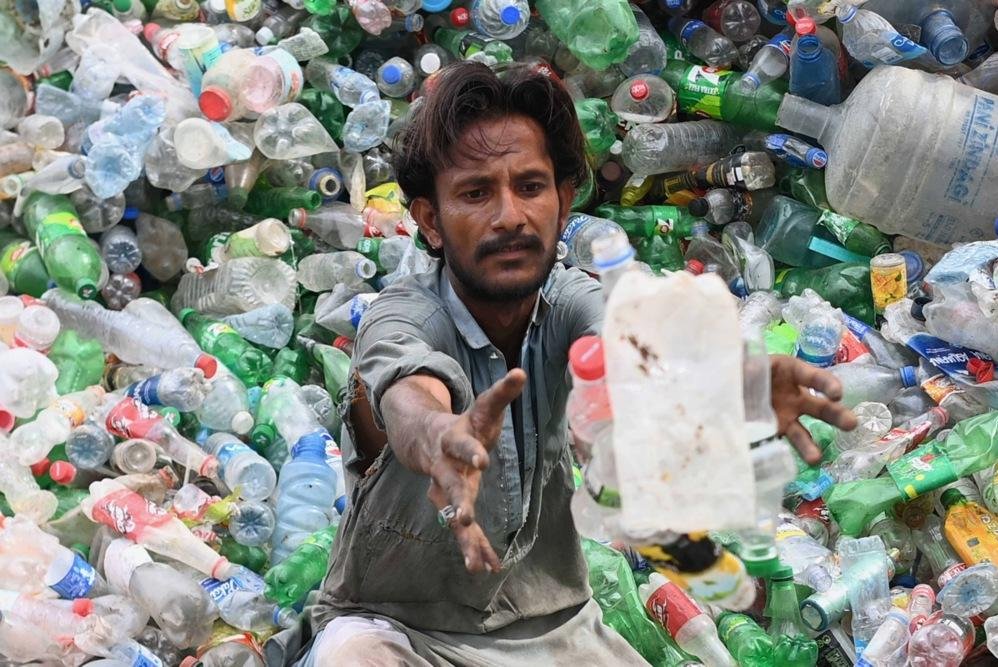
In November 2026, the European Union will prohibit exports of potentially recyclable plastic to non-OECD countries. The EU labeled these exports “waste” and described the cross-border flows as “environmental exploitation.”
At the same time that the EU is shutting down the trade, China has reversed course and committed to expanding the movement of recyclable plastic across its border. For most of the past decade, China was closed to imports of plastic waste entirely.
The EU and China seem to be moving in different directions. Europe’s efforts concentrate on boosting demand for recycled plastic at home while taking a hardline position on exports abroad. China’s new approach is centered on supply and weaker on the demand for recycled plastic. Each holds lessons for the other, because a scalable framework for tackling global plastic pollution requires action on both the demand and supply sides.