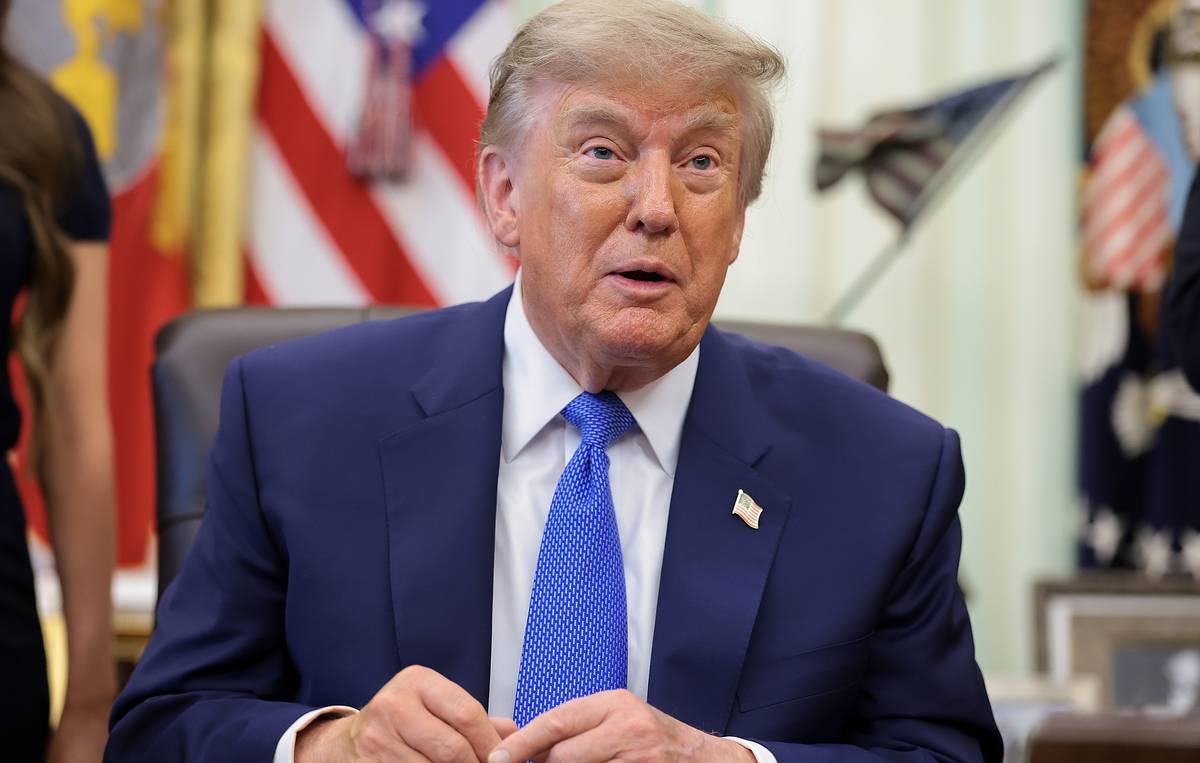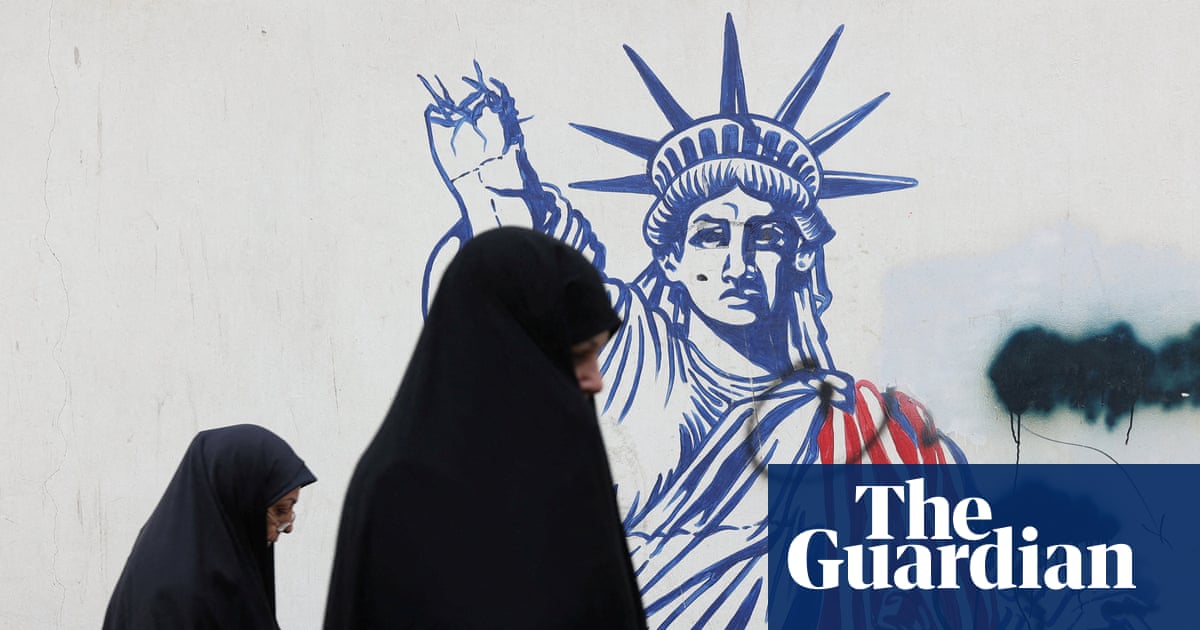
WASHINGTON—“No one has given the Islamic Republic of Iran a greater opportunity to make a Deal than me,” US President Donald Trump posted on social media on Wednesday. But the regime’s failure to agree to a deal, he added, will now result in the United States inflicting “Economic Warfare and Isolation on an unprecedented scale.”
This decision could mark a shift in the administration’s approach to one more like the “maximum pressure” campaign against Iran during the first Trump administration. However, it is now combined with the real threat of the US resuming direct attacks, which Trump has proved willing to carry out in his second term.
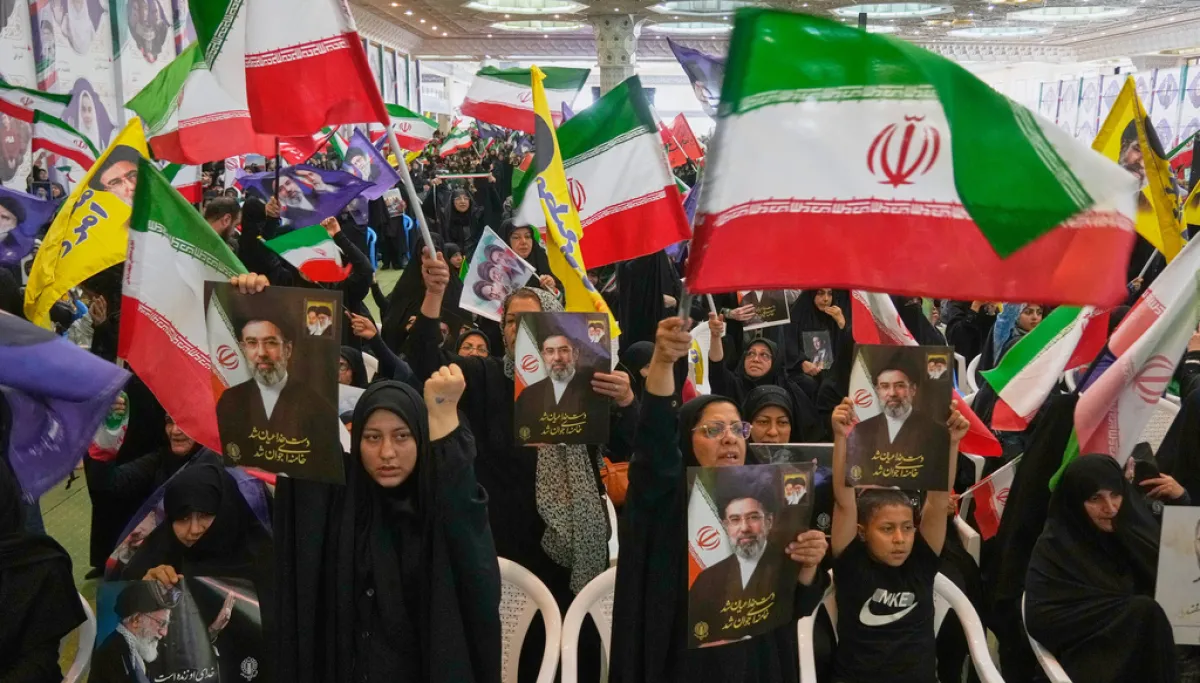
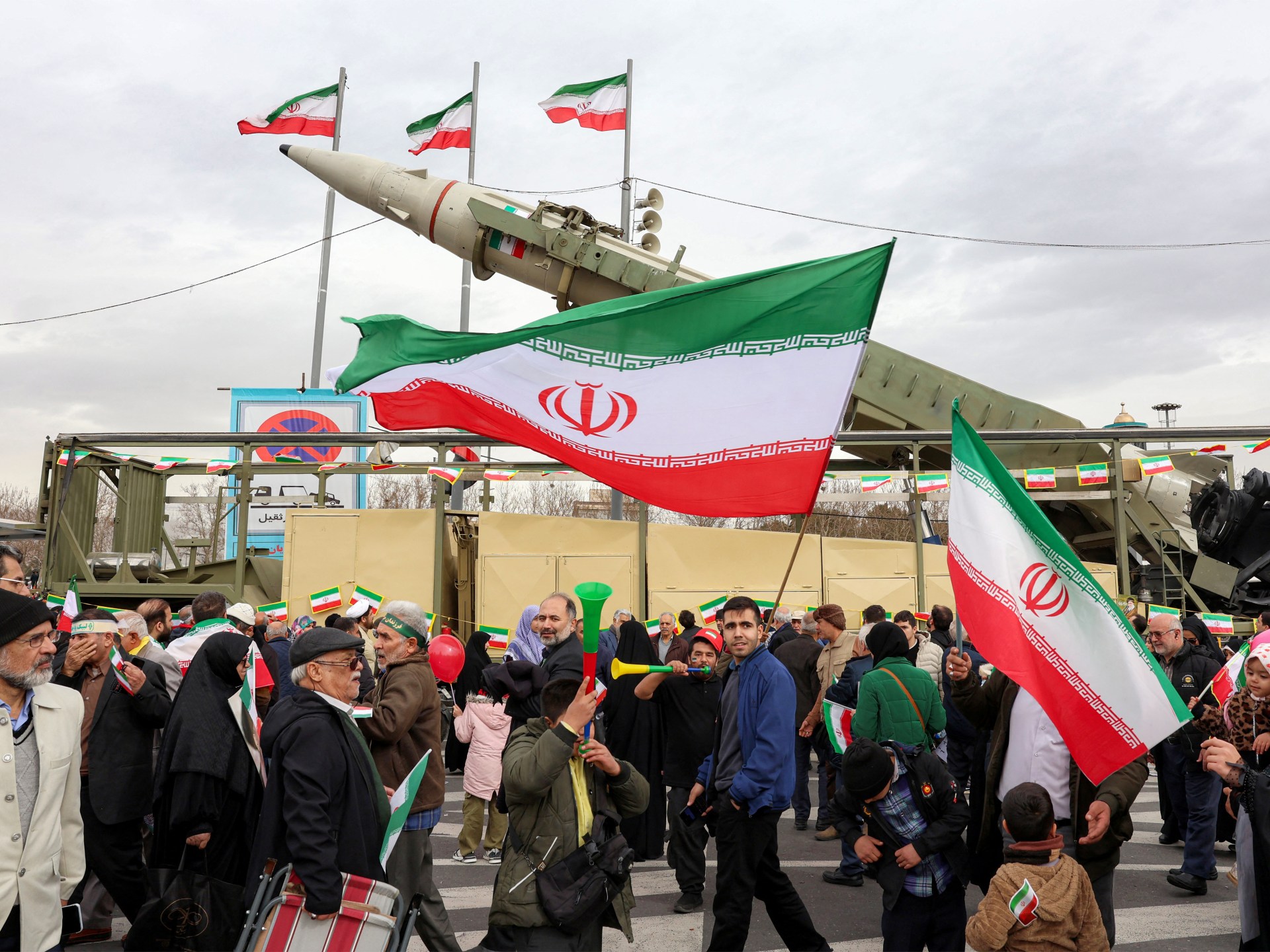
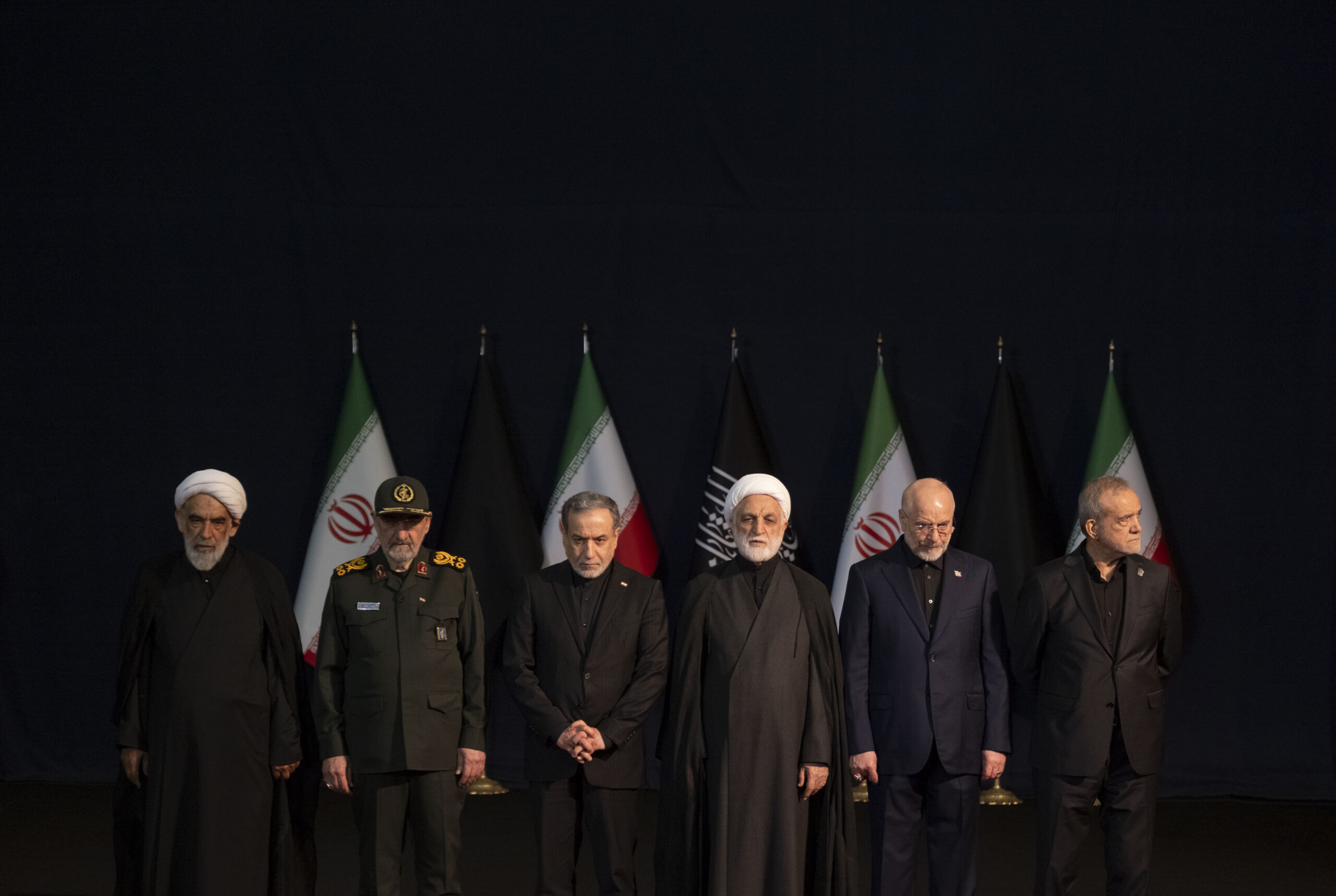
Such an approach is likely to produce results, though it will take time. Iran is currently led by Islamic Revolutionary Guard Corps (IRGC) veterans of the Iran-Iraq War. They are hard men who will shoot back before they fold. Their strategy depends on inflicting sufficient pain on the United States in the short term to force a bad deal, and on scrambling regional alliances to prevent greater coordination against the Iranian regime. But their hand will eventually be forced by a collapsing economic situation.
Why hasn’t Iran caved yet?
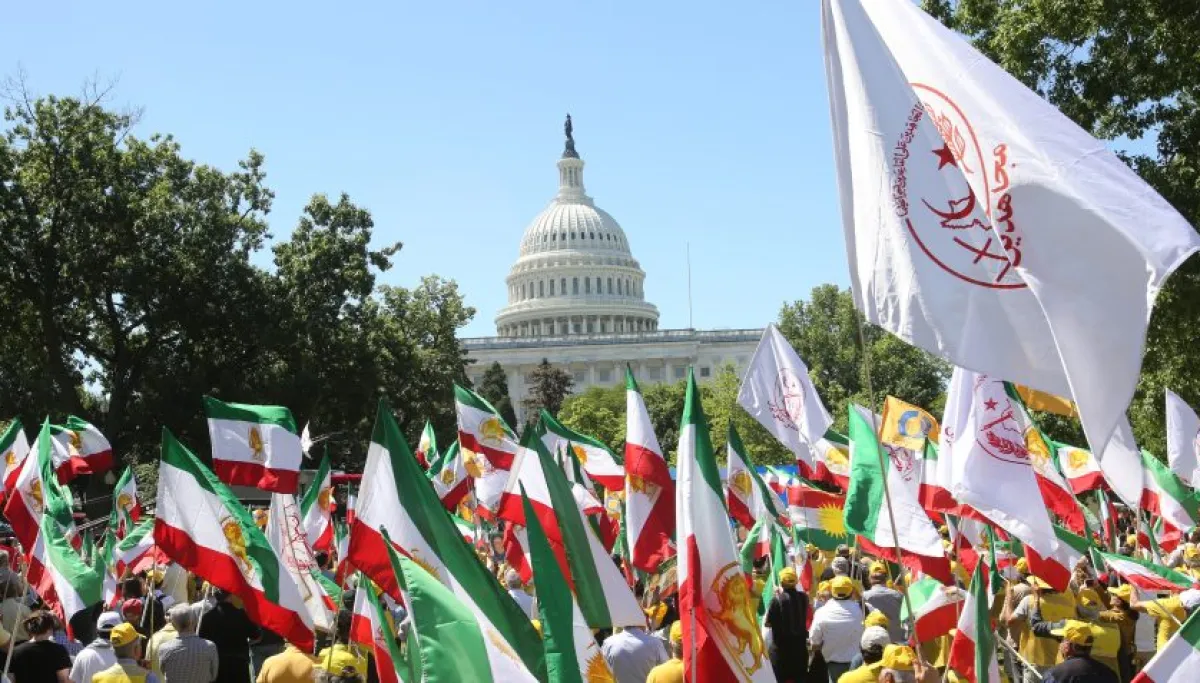
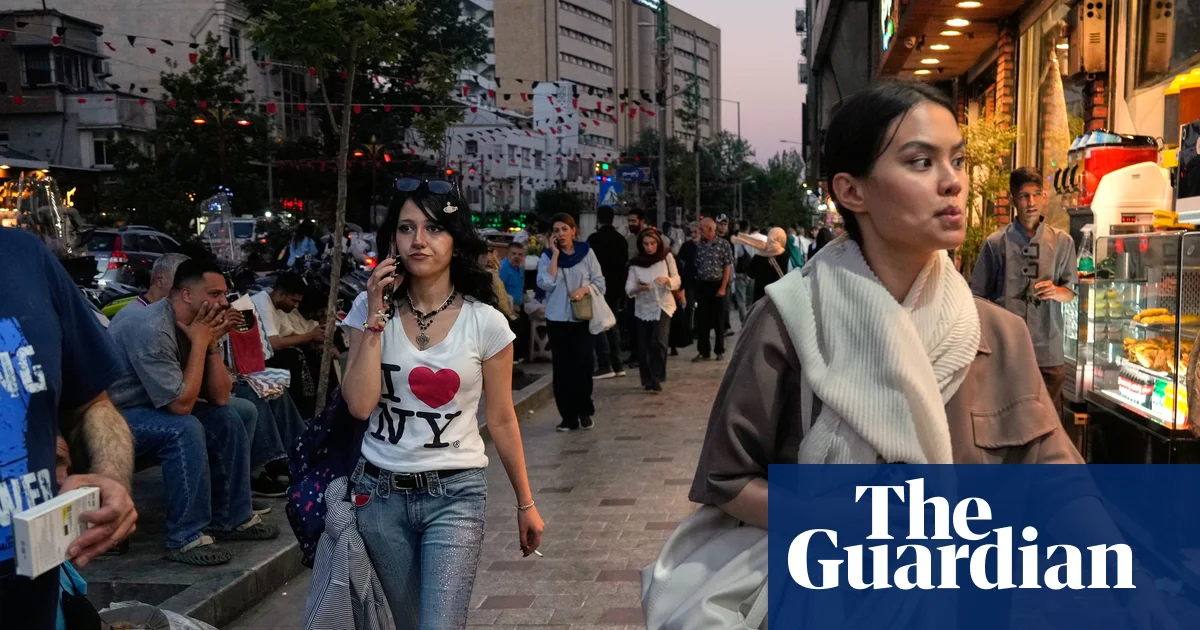
Ever since the Islamic Republic’s first thaw under Mohammad Khatami, the country’s reformist president who took office in 1997, the West has grasped at an aspirational vision of another Iran. It is an Iran promised by the diaspora, an Iran that peeks out from compulsory, loosely worn hijabs, and an Iran that listens to rock music in the privacy of Tehran apartments. These Iranians exist, and at times of particularly intense desperation or hope, many of them have hurled rocks at security forces in the streets, first chanting for change, and then for an end to the regime.