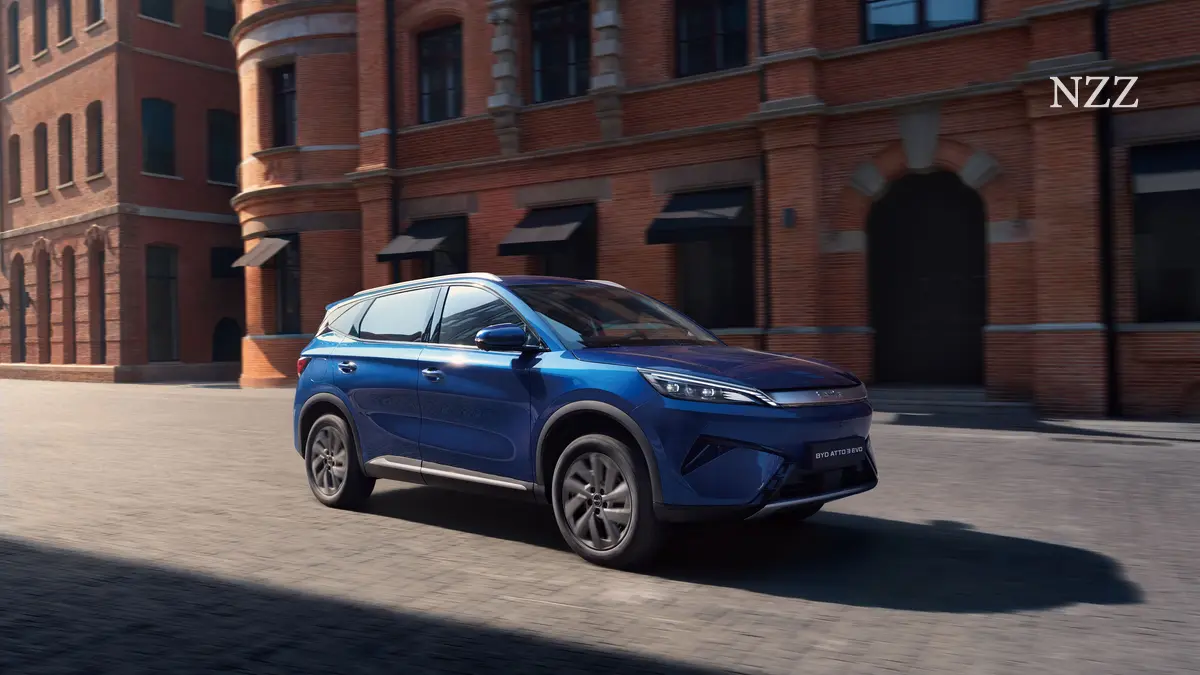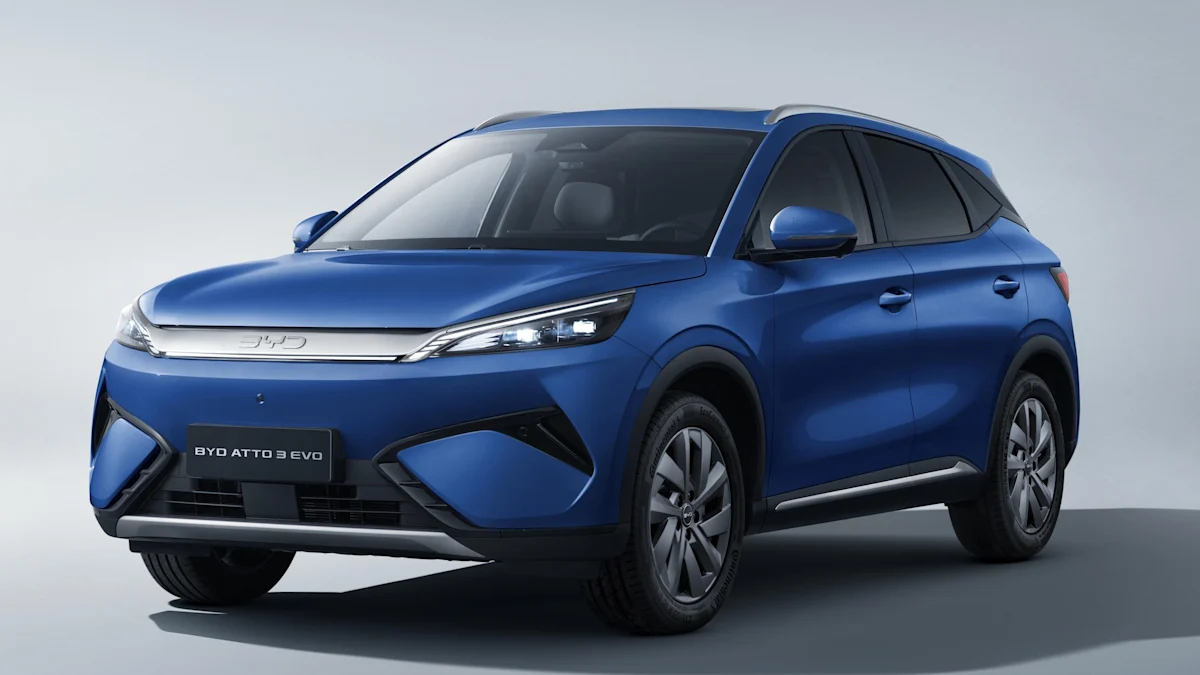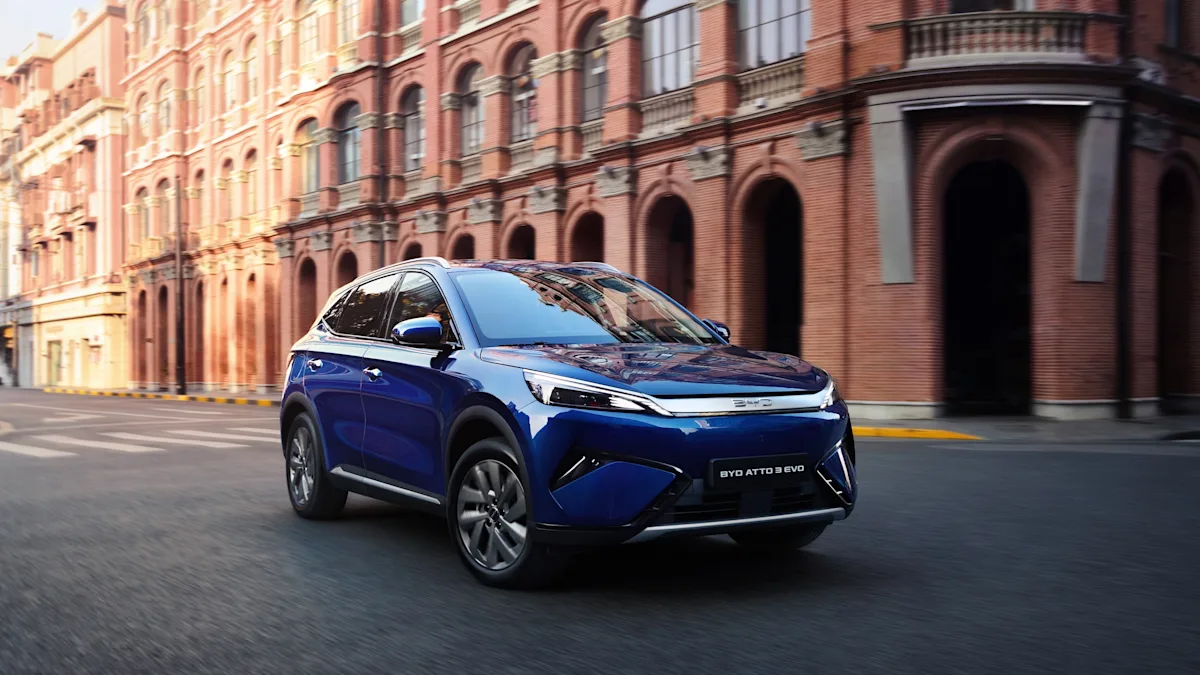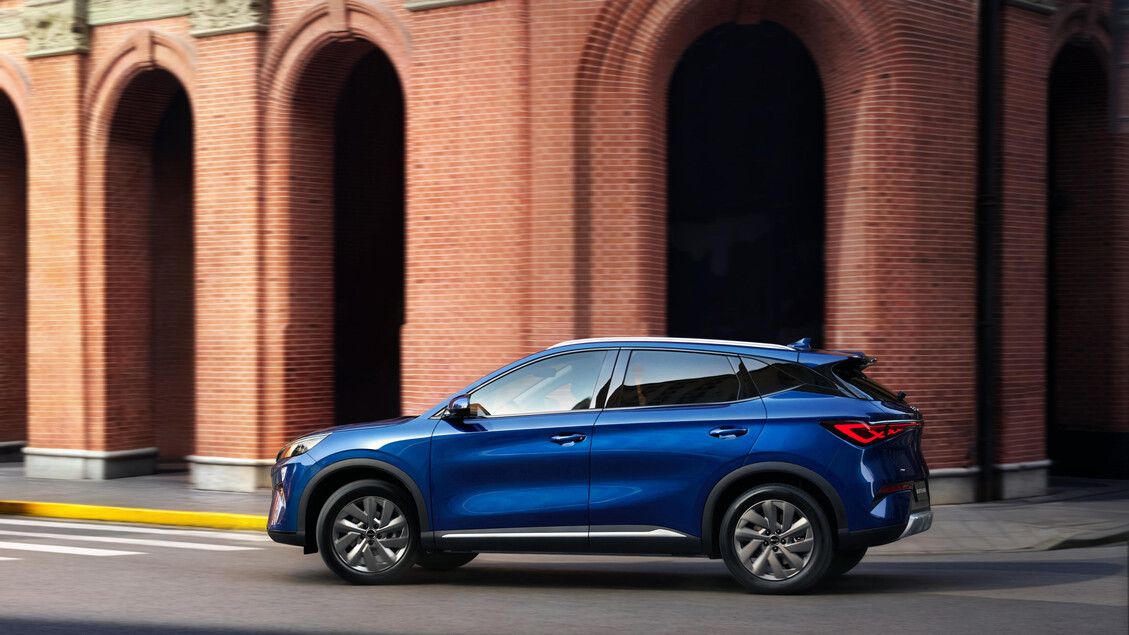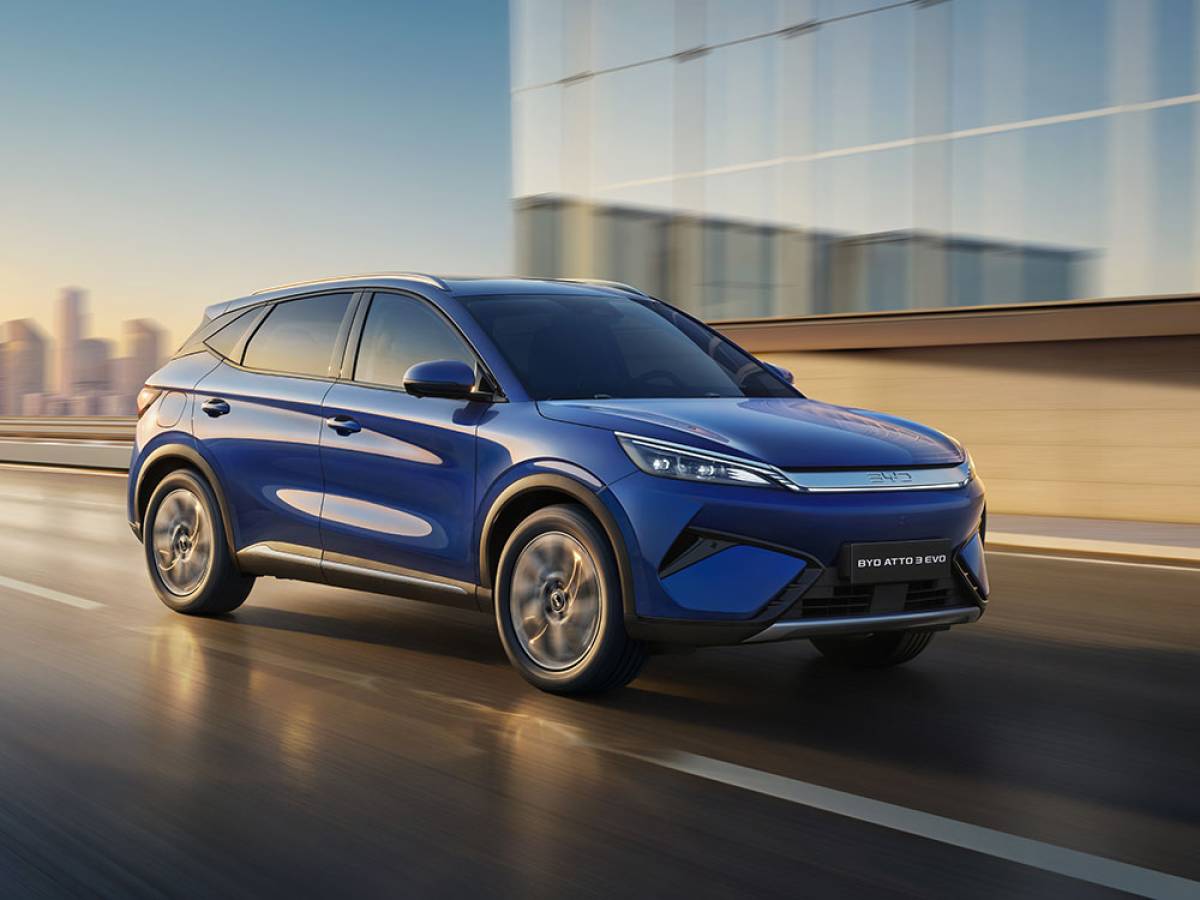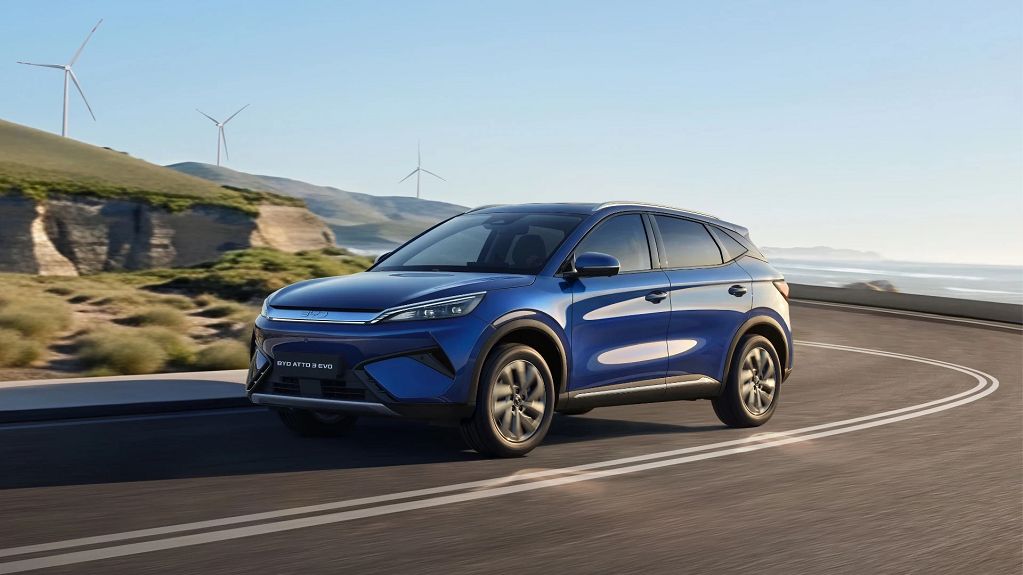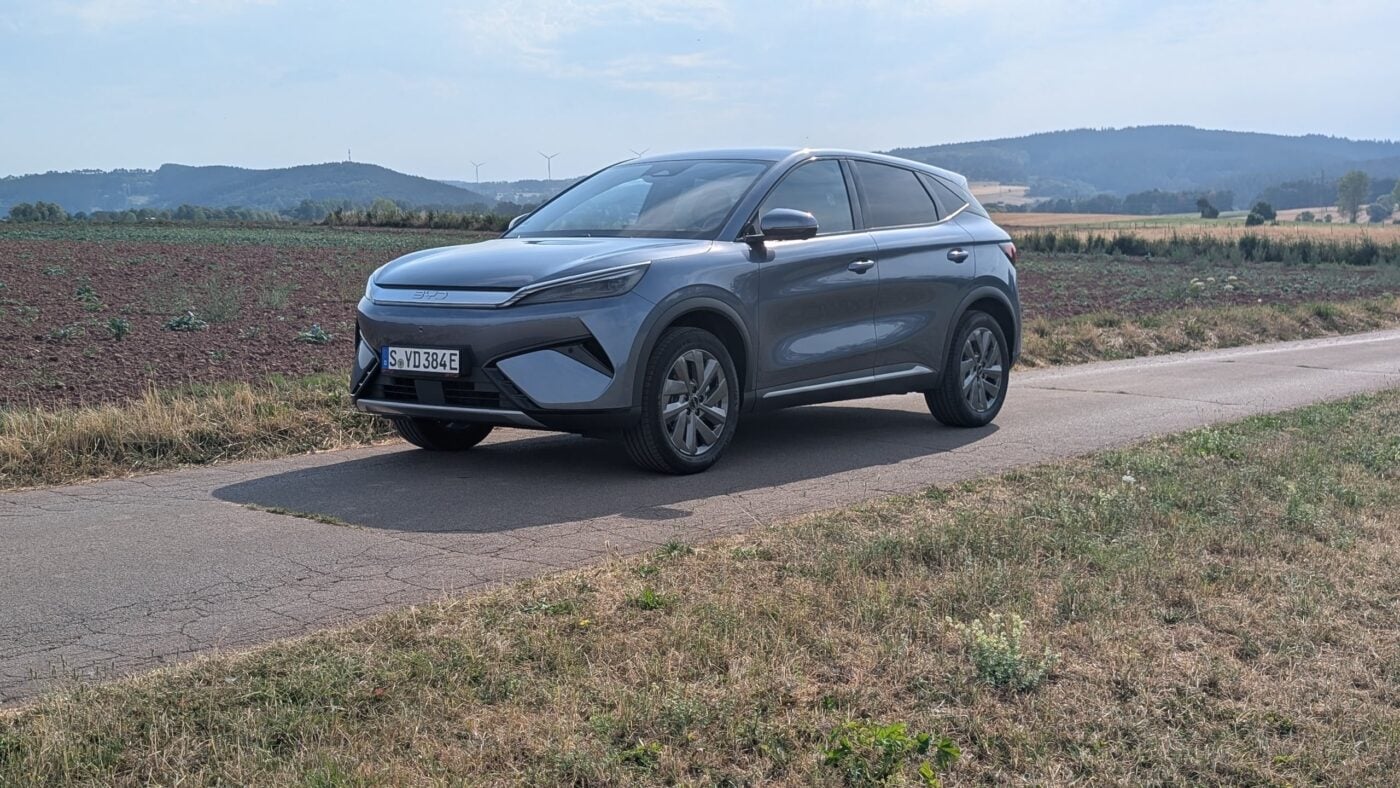
Some facelifts require you to park two cars side by side in order to spot the differences. Others, however, conceal an entirely new vehicle beneath practically unchanged sheet metal. The BYD Atto 3 Evo clearly falls into the second category.
Its predecessor, the Atto 3, had two major weaknesses. It had maximum charging power of 110 kW – already subpar in 2023 – and featured a diminutive 60.5 kWh battery that drained quickly on the motorway. Everything else about the model was competitive: space, build quality, equipment, and price.
BYD openly acknowledged these weaknesses and has since addressed them directly with the Evo. The result: a 74.8 kWh battery, 220 kW charging power, and a drivetrain that has shifted from the front to the rear axle. On paper, this represents a significant leap forward. On the road, it delivers – across most driving scenarios.
Following an initial test drive in April by my colleague Daniel Bönnighausen, my vehicle was the BYD Atto 3 Evo Design; the variant with a single motor on the rear axle, finished in Atlantis Blue. During that one-day test drive in April, two aspects of the vehicle raised questions: noticeable vibrations in the steering wheel from around 105 km/h, and a charging speed that BYD promised but no one had yet verified. I was able to test both over two weeks and many more kilometres.