Free daily briefing on global business news.
Protecting a home from disaster is getting pricier across the U.S. Insurify's index reveals which counties face the highest risk and premiums
Mary Hammel / Unsplash
Homeownership in a disaster-prone area increasingly means paying to protect the home, not just to buy it. Severe weather has grown both more frequent and more expensive to clean up after, and insurers have responded by raising premiums, narrowing what a standard policy covers or leaving certain markets altogether. For many households, an annual insurance bill has turned into one of the largest and least predictable costs of homeownership, arriving with far less warning than a mortgage payment ever does. Skipping coverage entirely leaves a family exposed to the full cost of rebuilding after a single storm.
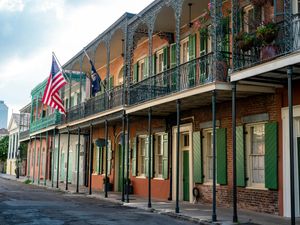
Since 2021, the average cost of a home insurance policy in the U.S. has climbed by roughly half, landing at just over $3,000 a year for a typical policy. Coastal counties exposed to hurricanes have absorbed a disproportionate share of that increase because insurers price in the growing likelihood of major storms, flooding and wind damage when they set premiums. Aging housing stock compounds the problem in many of those same communities. Homes built decades ago typically lack the reinforced roofing, impact-resistant windows and updated wiring found in newer construction, and insurers weigh that vulnerability directly into what they charge. Older homes also cost more to rebuild once building codes and material prices are factored in, pushing premiums even higher in historic districts and long-established neighborhoods. Flood coverage adds another layer of expense in many of these areas because standard homeowner policies exclude flooding and require a separate federal or private policy to close the gap.