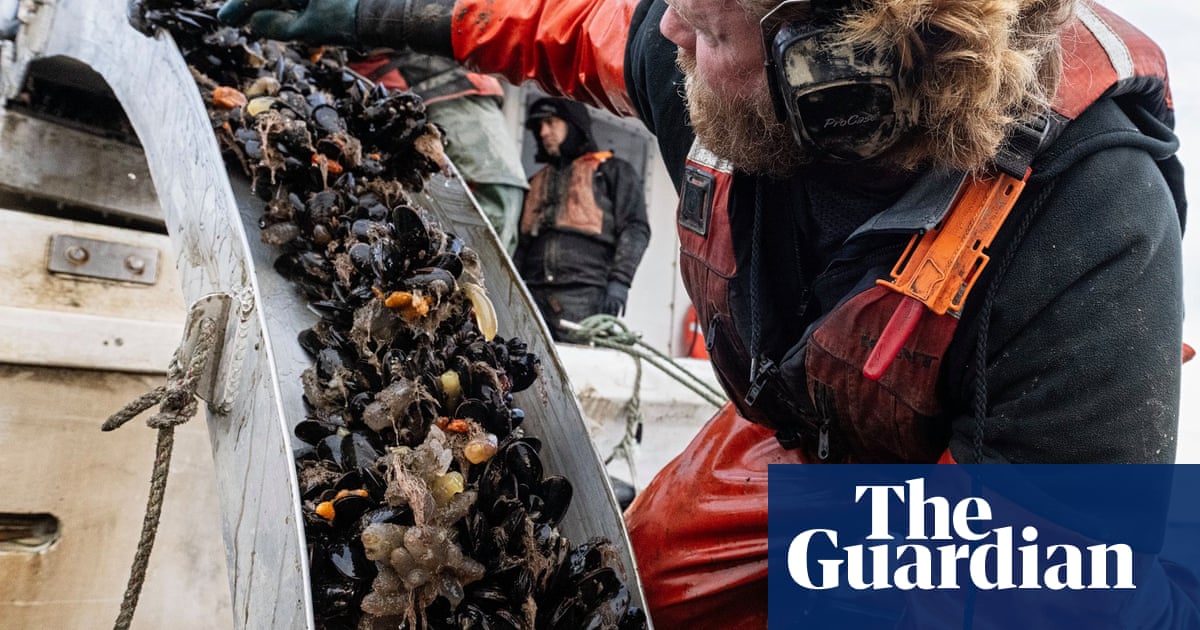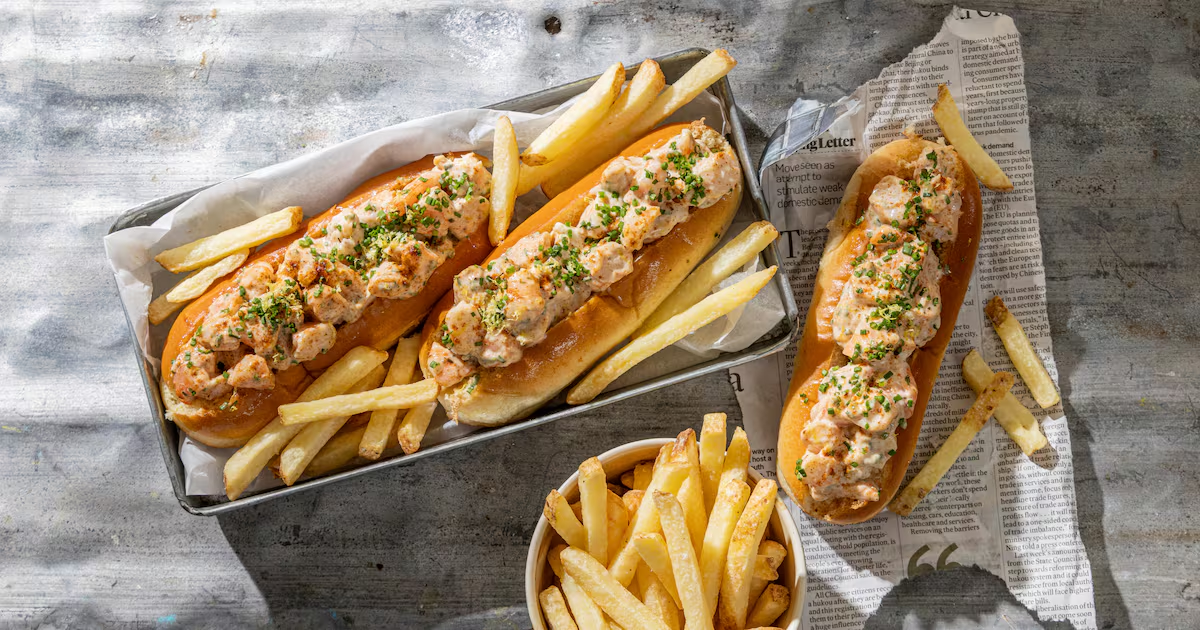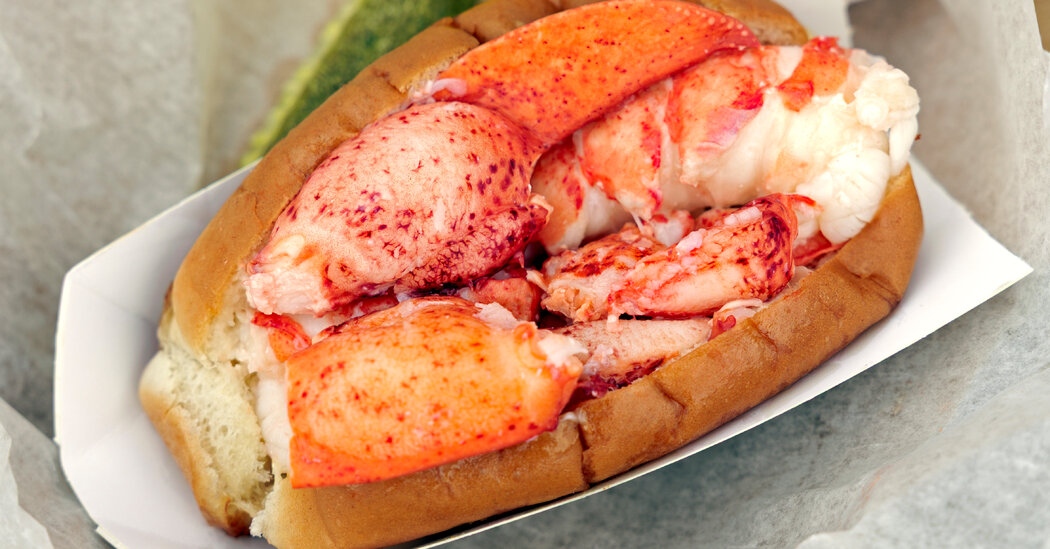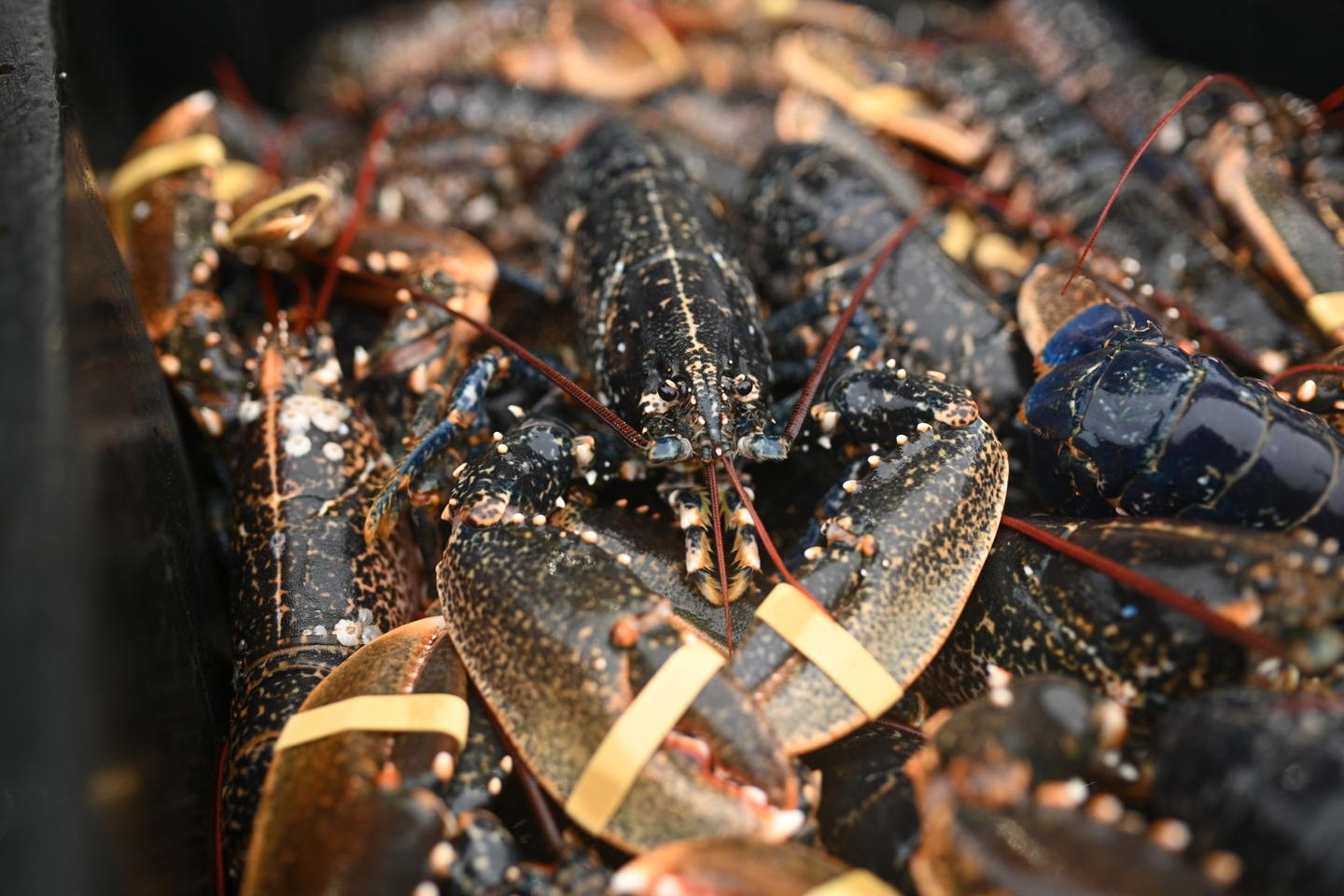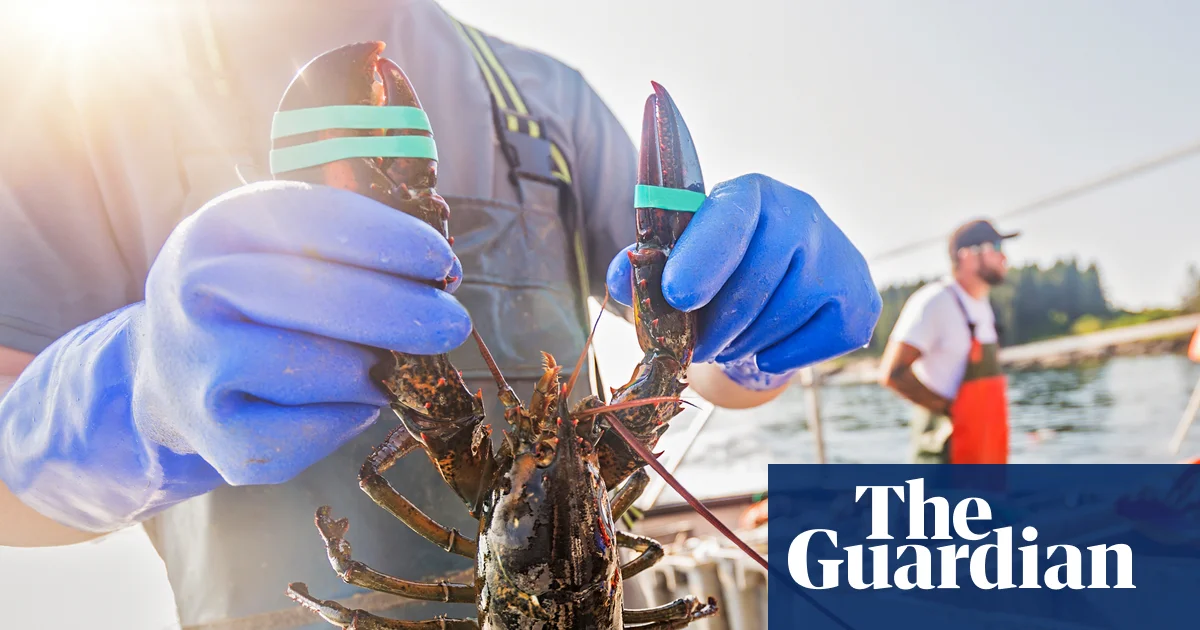
For many in the US region of New England, the lobster roll is synonymous with summertime. Loaded into a toasted bun, chunks of the sweet meat are served hot and soaked in butter, or chilled and slathered in mayonnaise with celery and herbs.The only thing more debated than the recipe is the price: the once-humble roll now routinely fetches $30 (£22), or even $50, in a sign of the changing times – and seas.A third-generation lobster fisherman, Scott Lord spends his days hauling traps on the Gulf of Maine, which is warming faster than 99% of the world’s oceans. “Whether you agree with who says why it’s happening, it is happening,” he says.Bycatch that was once plentiful, such as sea urchins, sand dollars or starfish, are increasingly rare. And, most concerning, Lord has noticed the number of inshore lobsters dropping dramatically over the past 15 years, pushing fishers farther and farther offshore.Motivated to find a remedy, Lord joined a regional shellfish committee. “Why are there not clams where there used to be clams? Why are they not coming back, no matter what we do?” he asks.Hundreds of miles to the south in Massachusetts, on a sandy crook of land that spins out to form Cape Cod, Adam Subhas, a scientist at the Woods Hole Oceanographic Institution, is trying to find the answers.
Lobsters and acidic seas: can shellfish help neutralise one of the greatest threats to the ocean?
Crustaceans are the subject of tests to see if alkalis added to seawater, so it absorbs more CO2, harm marine life. But Trump’s halt to funding threatens to scupper the research
1,739 words~8 min read