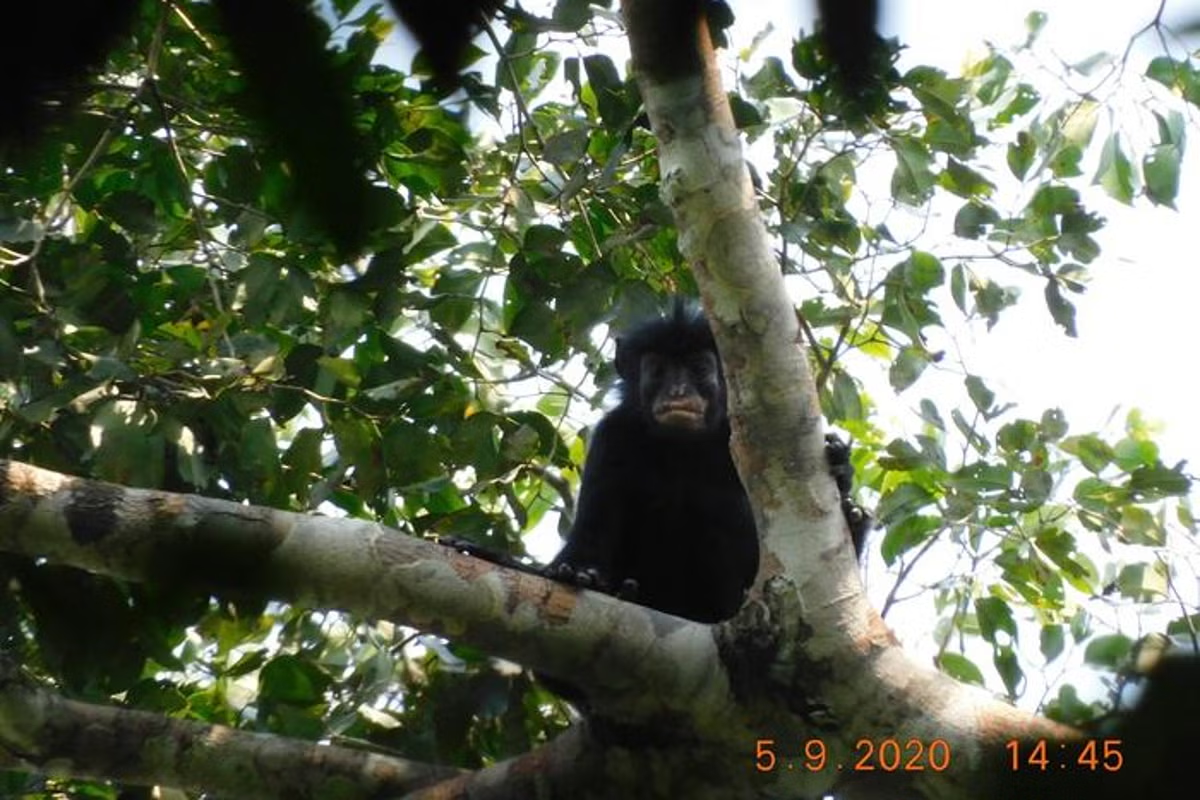
As a child growing up in the Ndumo Game Reserve on the South Africa-Mozambique border, Simon Pooley read an animal encyclopaedia given to his family by a visiting scientist. He became fascinated by the okapi, a striking animal from the Congo Basin rainforest. Decades later as a conservation scientist and environmental historian recovering from dengue fever contracted during research, he returned to that early interest. Visiting London Zoo, he began investigating the okapi’s history, discovering in the Zoological Society of London’s library the records of the first okapi remains and the first live okapi to reach the UK. Finding surprisingly few books on the animal, he began researching its story. We spoke to him about his new book, Discovering the Okapi.
What makes the okapi extraordinary?
The okapi is the only living relative of the giraffe. They share characteristics, like head shape and ossicones (horns made of cartilage not bone), gait (two legs on the same side move together, then the other two), and a long purple tongue. But the obvious difference is that okapi don’t have long necks, which would get entangled in dense rainforests.
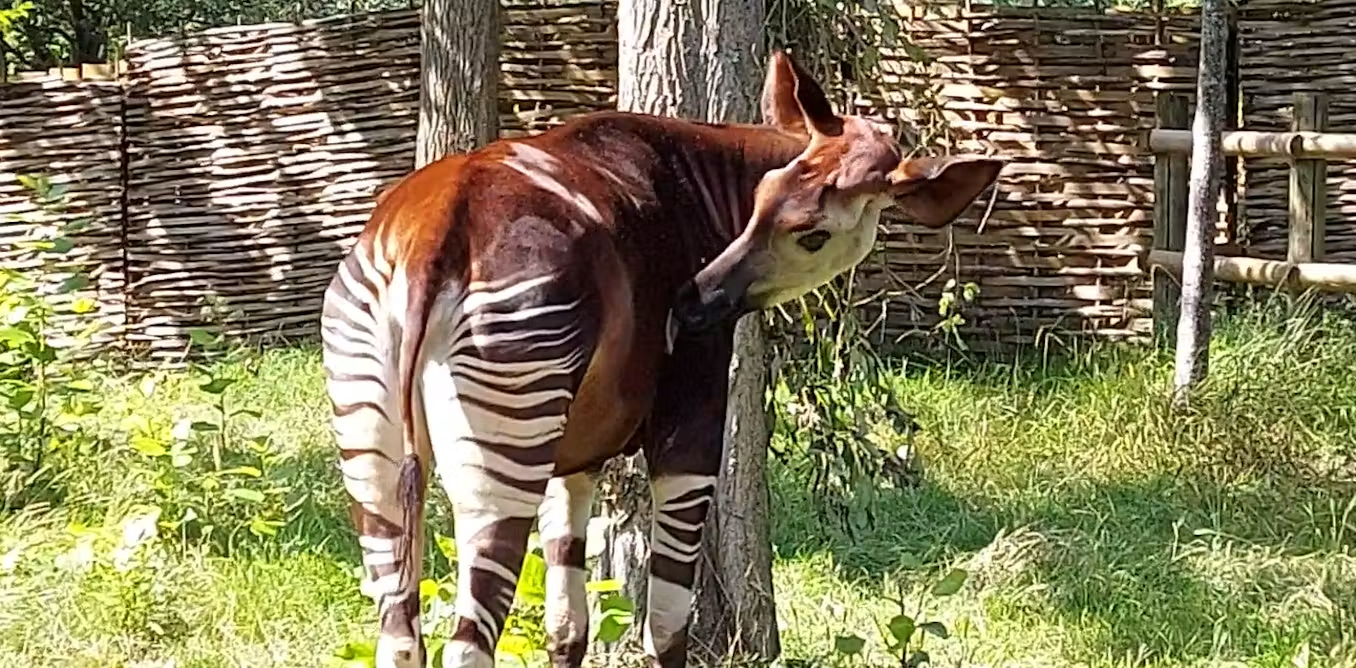
Also, where giraffe skins feature blotches of brown on a golden background, okapi have white faces and white stripes on their forelegs and hindquarters, with a gorgeous red-brown coat in between. Okapi have larger ears, and also communicate using infrasound. This comes from their adaptation to life in the rainforest.