EDITOR’S NOTE: Call to Earth is a CNN editorial series committed to reporting on the environmental challenges facing our planet, together with the solutions. Rolex’s Perpetual Planet Initiative has partnered with CNN to drive awareness and education around key sustainability issues and to inspire positive action.
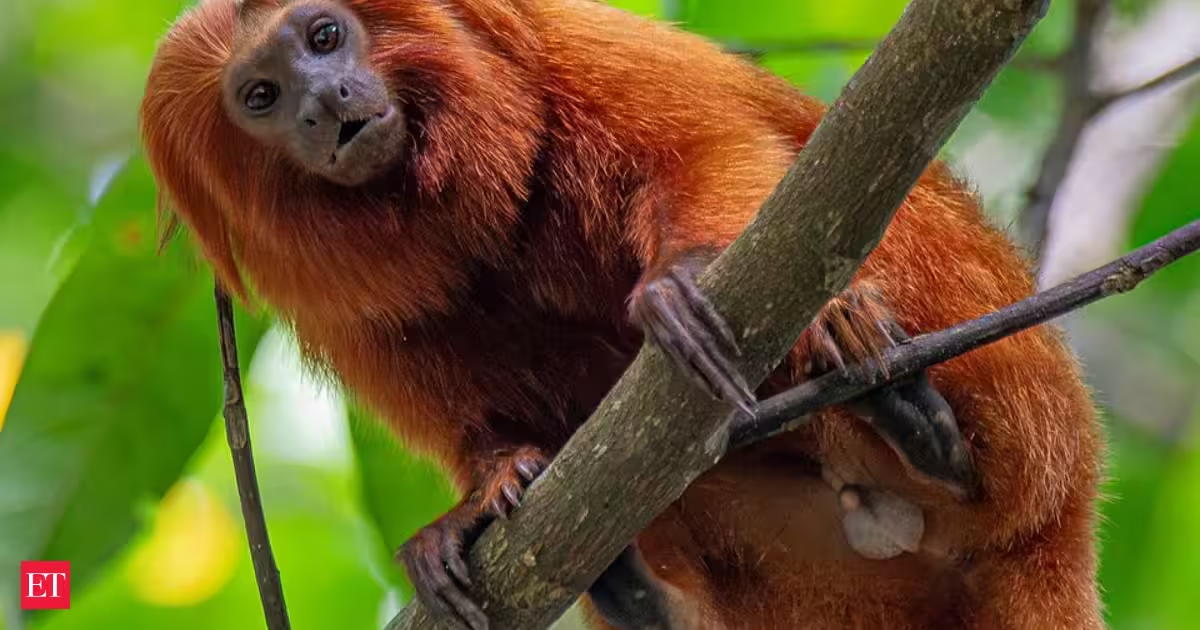
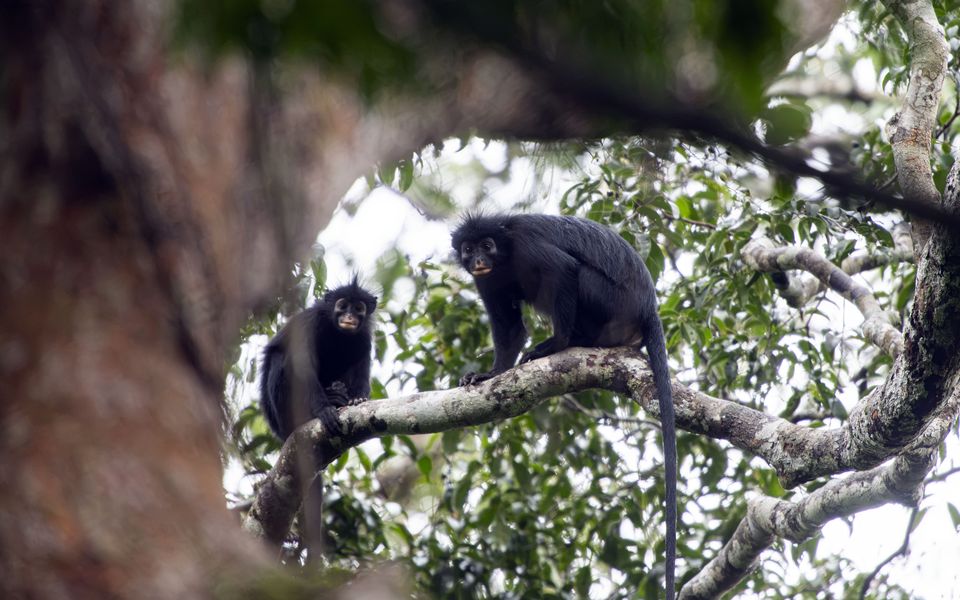
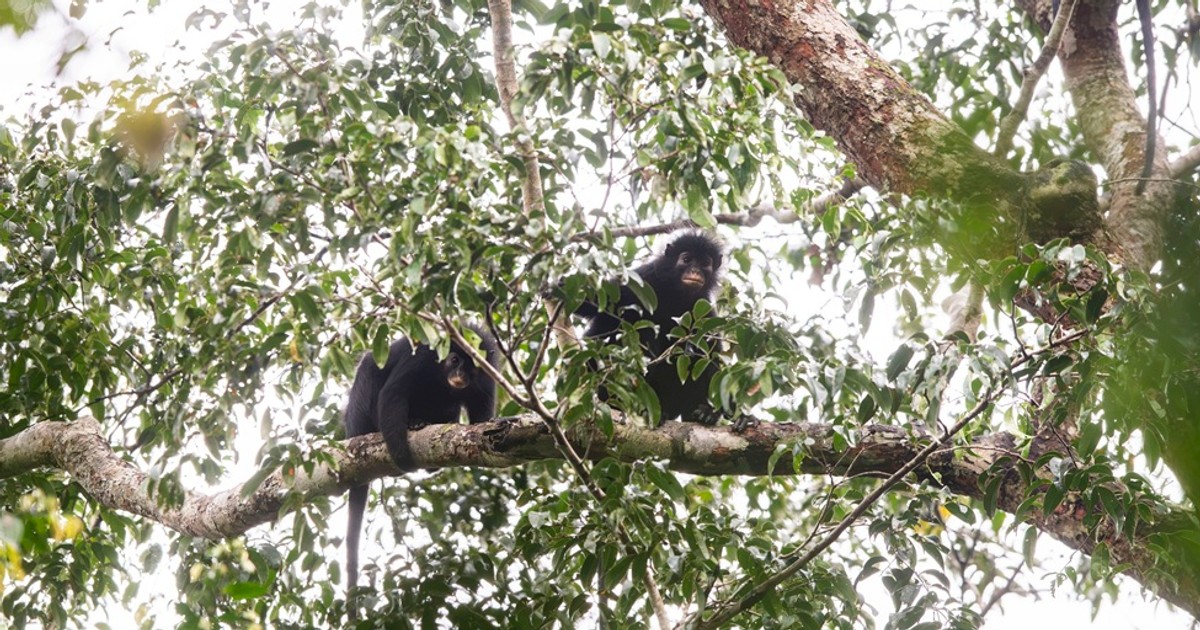
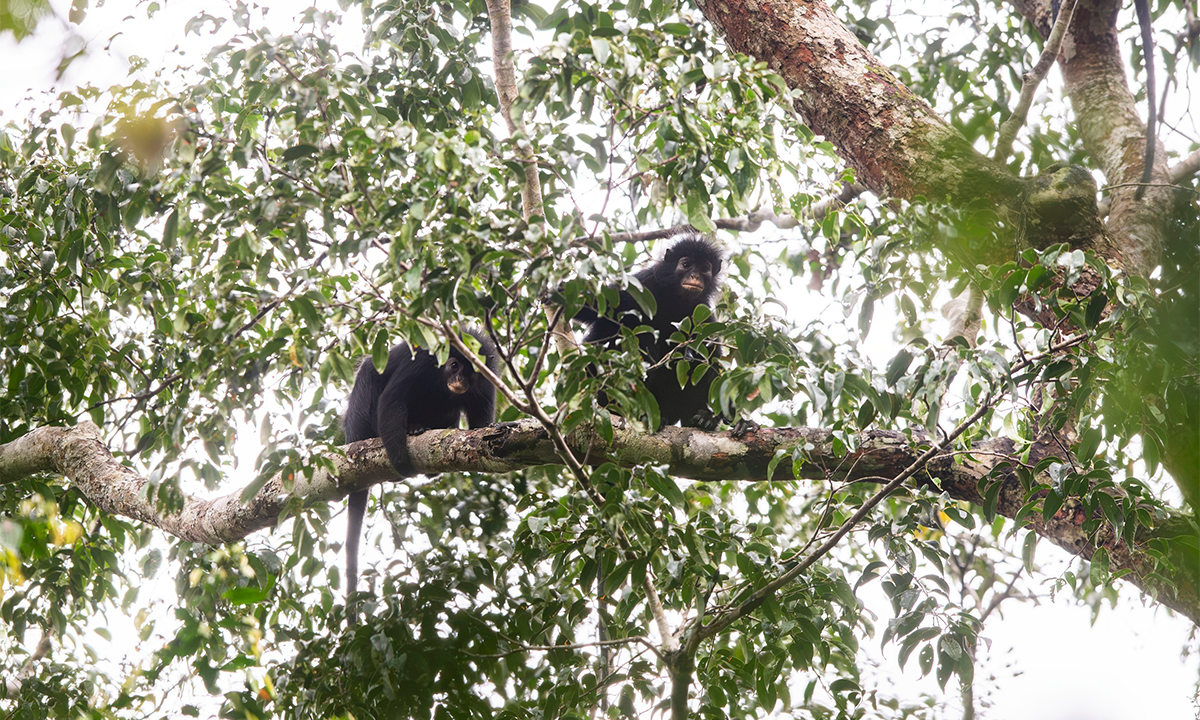
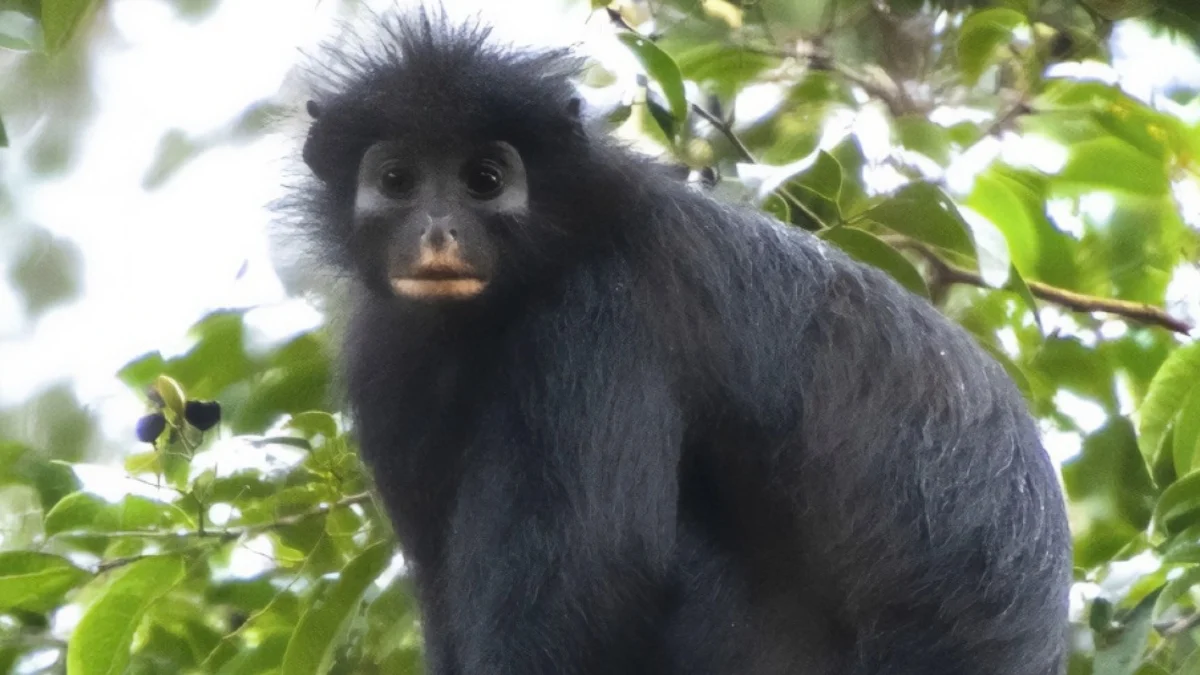
Deep in the swamp forest of the Niger Delta lives a monkey that was unknown to science until 1993. Within two decades of its discovery, around 90% of its population had been wiped out.
Well known to the people who lived in the forest, the Niger Delta red colobus, with its striking black, orange and white coat, was already rare when first documented by researchers, with an estimated 10,000 of the monkeys living in the region. But hunting, and habitat loss from tree felling and from oil-extraction roads and canals meant that by 2010, it ranked among the world’s most endangered primates.
When she first visited the area in 2013, Nigerian conservationist Rachel Ikemeh knew she had to act fast to save the monkey. A species endemic to Nigeria, the surviving population had retreated into fragmented habitat pockets scattered across 77 square miles of the vast Niger Delta region in the south of the country.