Story audio is generated using AI
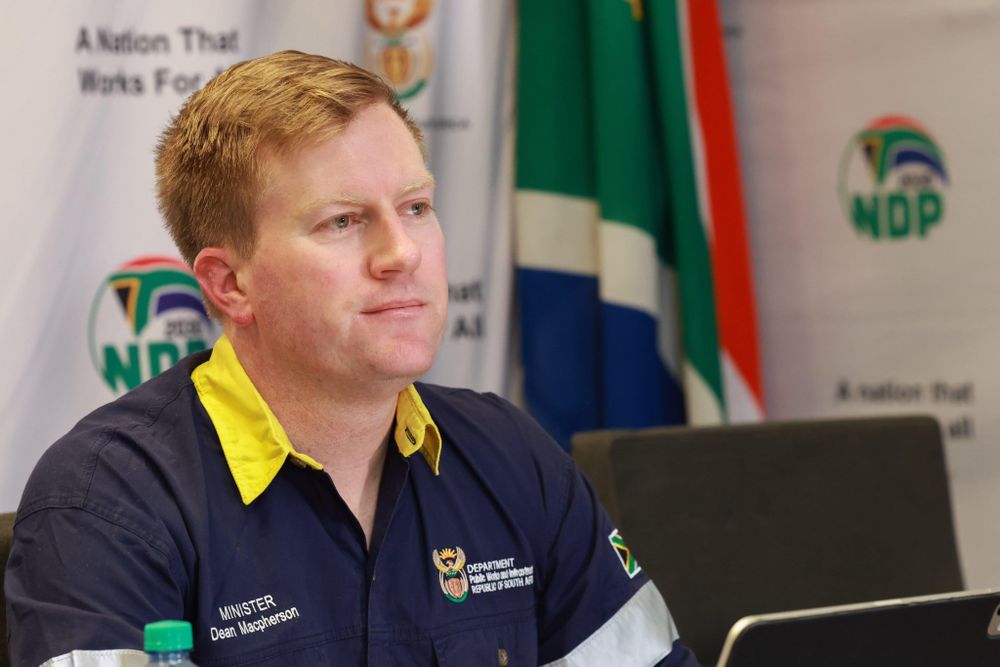
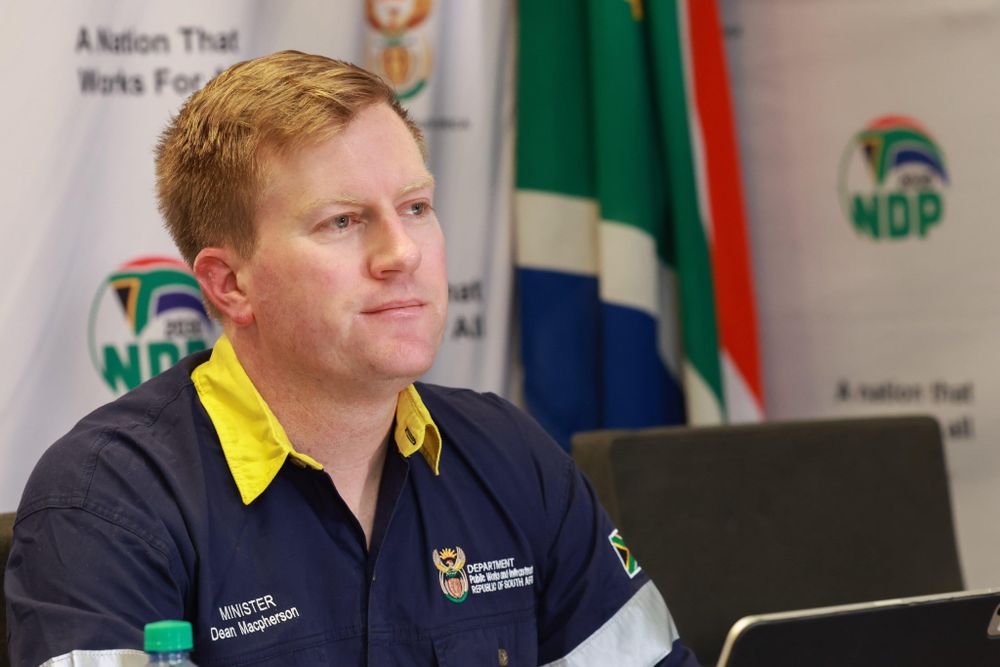
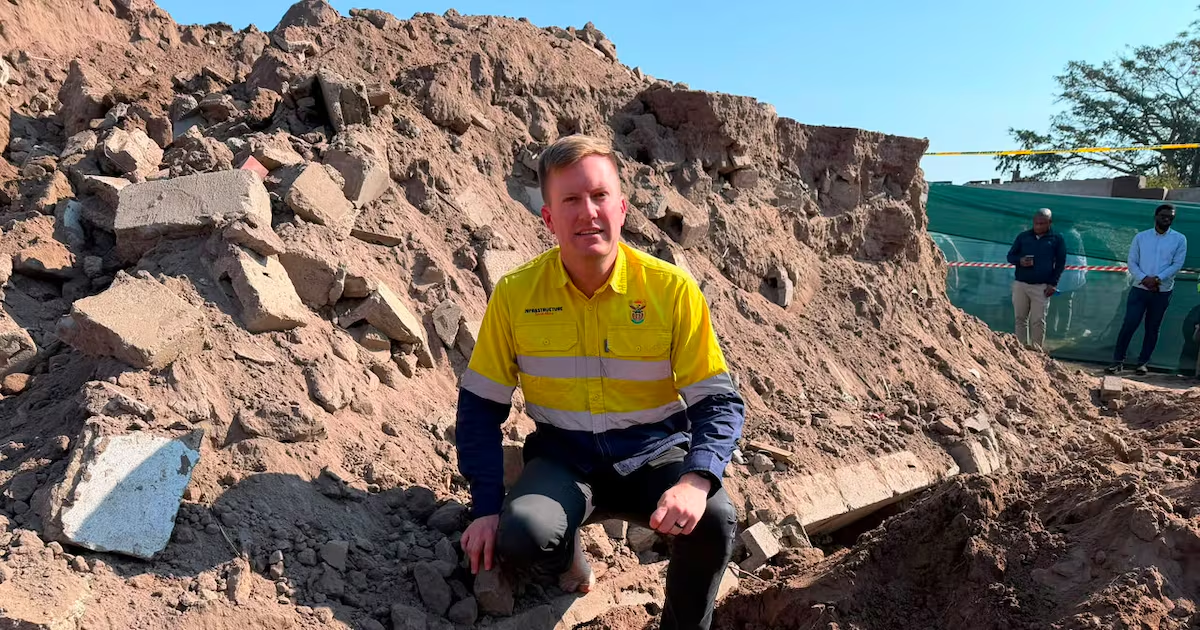
Four investigations into fatal building collapses in South Africa have raised concerns about a shortage of qualified building control personnel and the limited capacity of municipalities to inspect, supervise and monitor construction, public works minister Dean Macpherson said on Thursday.Briefing the media in Pretoria on the four investigations by the Council for the Built Environment (CBE), Macpherson said the findings highlighted the need for early detection and improved ward-level reporting. The investigations were commissioned after deadly incidents within the built environment. Macpherson said across the four incidents, 17 people lost their lives and 24 people were injured. “These incidents demanded more from the government than expressions of sympathy. They demanded answers,” he said. The four investigations follow the collapse of a multi-storey residential building in George, which claimed 34 lives in May 2024. The investigations did not look only at the physical point at which a structure failed. “They examined the technical circumstances surrounding each incident. They examined whether the appropriate building approvals and construction permits were in place,” the minister said. “They considered whether suitably registered and competent built environment professionals had been appointed. They considered whether construction was being properly supervised and inspected. They examined whether municipalities, regulators and other responsible authorities were able to identify and intervene where construction was unsafe or unlawful.” Macpherson said the important conclusion is that the four incidents were not the same, as “each occurred in different circumstances and had different immediate causes”. Regarding the Redcliffe, Verulam, incident, Macpherson said while concrete was being poured on the upper levels, the building collapsed. Five people died and 11 were injured. “The investigation could not conclusively determine a single technical cause because critical information either did not exist or could not be obtained. “No complete structural drawings could be located. No responsible construction team could be identified,” he said. The investigation found the five-storey building did not have approved building plans. There was no construction work permit, and the department of employment and labour had not been notified that construction had started. The investigation could not conclusively determine a single technical cause because critical information either did not exist or could not be obtained. No complete structural drawings could be located. — Dean Macpherson, public works minister Regarding the Doornkop, Soweto incident, in which a 60-year-old woman, her 24-year-old daughter and her one-year-old granddaughter died, the CBE investigation found the two-storey residential structure, a part of which collapsed after heavy rainfall, was situated on high-risk dolomitic land. “The government had already identified this land as unsafe, but the risk was not managed through to its conclusion. The investigation also found weaknesses in Joburg’s broader management of dolomitic land,” the minister said. Regarding the Magnolia, Sea Point incident, in which four workers were injured when about 40m² of temporary formwork at level 3 became unstable and failed, it was found the cause was the “premature loading of an incomplete and uninspected temporary works structure”. In the incident in Ormonde, Joburg, in which nine workers died and six were injured when steelwork failed while concrete topping was being placed, it was found no application for building approval had been submitted to the City of Johannesburg before the collapse. “Critical structural drawings, design information and details of structural members requested during the investigation were also not provided, limiting the ability of investigators to verify the design against the applicable standards,” Macpherson said. He said the principal problems identified by the investigations were inconsistent implementation, inadequate oversight, weak enforcement and non-compliance. The investigations also raised concerns about the wider practice of construction proceeding and approval being sought afterwards. “That is unacceptable,” said Macpherson, adding, “Building approval is not unnecessary red tape. It is a public safety control.” The reports identified an “excessive regulatory focus” on the initial building plan approval stage. “Building control cannot stop when a plan receives a stamp. Authorities need visibility over what happens during construction. They need to know when construction has commenced,” the minister said. Building approval is not unnecessary red tape. It is a public safety control.— Dean MacphersonHe said another finding related to municipal capacity and capability. “Municipalities are at the front line of building regulation. The investigations raise concerns about shortages of suitably qualified building control personnel, limited inspection capacity and the ability of municipalities to identify construction which has never entered the approval system.”It was found regulators did not share enough information with one another. A municipality may know whether building plans have been approved. The department of employment and labour may hold information about construction notifications or construction work permits. The National Home Builders Registration Council may know whether a residential development has been enrolled. “Professional councils know who is registered and whether a person’s registration is in good standing. These are different pieces of information about the same construction project. If they remain locked in separate systems, warning signs can be missed,” said Macpherson. Another finding pertained to consequence management. “Where owners, developers, contractors or professionals deliberately ignore statutory requirements, penalties must provide a real deterrent,” Macpherson said.CBE chair Amelia Mtshali said, “Our involvement in these investigations is not incidental; it’s part of our mandate. When a building collapses, we have a responsibility to find out what allowed the failure to occur. “Investigations must lead to prevention. The real value lies in what we do as a consequence. These findings will help us shape our built environment.” Business Day