Story audio is generated using AI
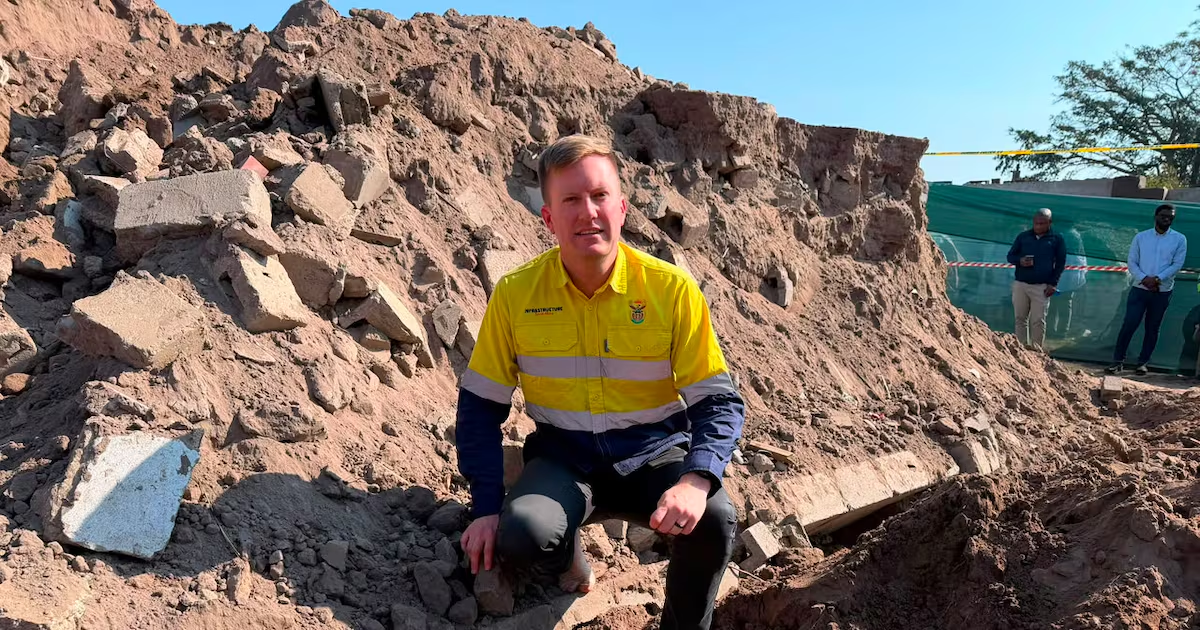
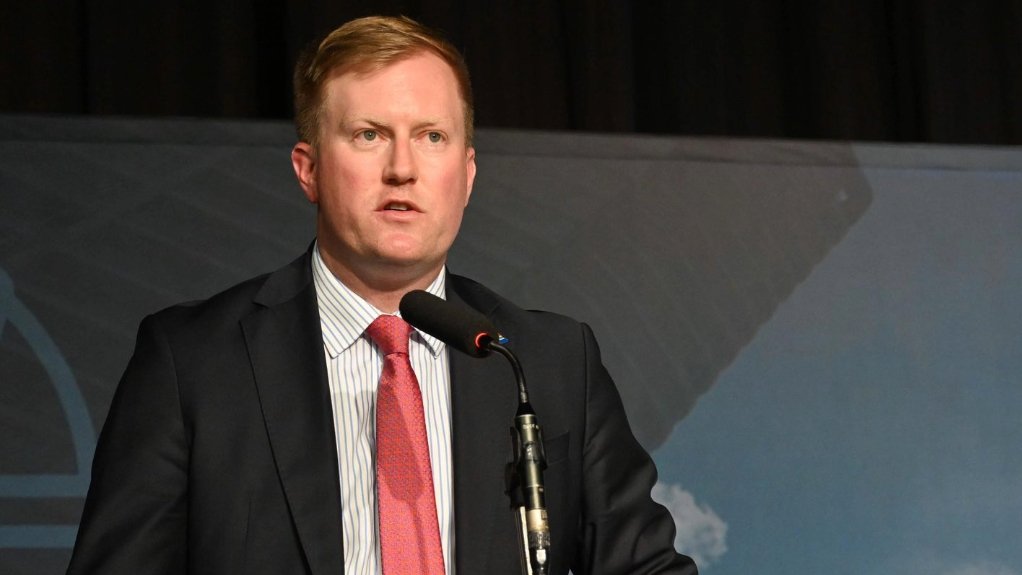
Public works & infrastructure minister Dean Macpherson has announced a package of regulatory reforms aimed at tightening oversight of the construction sector after a series of fatal building collapses exposed weaknesses in regulation, professional accountability and enforcement.Speaking at the Public Works and Infrastructure Summit on Friday, Macpherson launched the national built environment and construction safety framework and announced that his ministry would gazette new Council for the Built Environment (CBE) public interest and safety regulations to strengthen compliance across the built environment.The reforms follow the recent building collapses in Ormonde in Johannesburg and Redcliffe in KwaZulu-Natal, as well as the George block of flats disaster, which claimed 34 lives and left 28 people injured.Referring to the number of fatal building collapses that have exposed weaknesses in construction oversight, Macpherson said: “We remember George. We remember Redcliffe. We remember Ormonde. Public safety cannot depend on luck. It must be built into the system.”The regulations will strengthen oversight of structural and dolomitic risks, tighten compliance during construction and introduce nationally recognised competency certification for professionals working on building projects.Fragmented oversightMacpherson pointed out that South Africa’s oversight system is fragmented, with responsibility for building approvals, inspections, workplace safety and professional regulation spread across different departments, municipalities and statutory councils.“When these systems do not operate in a fully co-ordinated manner, gaps emerge in oversight, compliance and accountability,” he said.“We need stronger intergovernmental co-operation, clearer lines of accountability, better enforcement capacity and professional sign-offs that are treated as solemn responsibilities, not box-ticking exercises.”Investigations into the Redcliffe and Ormonde building collapses have been completed and their findings will be released soon. He said their release had to become instruments of accountability and reform.Macpherson also launched the Public Infrastructure Confidence Index, which will provide a periodic measure of stakeholder confidence in the performance, capability and credibility of South Africa’s public infrastructure system.“For too long, we have spoken about confidence in infrastructure delivery without having a clear, regular and structured way to measure it. The index will help the government identify bottlenecks, assess the impact of reforms and move from anecdote to evidence.”Macpherson said the reforms were part of a broader overhaul to reposition the public works and infrastructure department as an economic delivery unit focused on delivering infrastructure rather than planning it.“We do not lack ambition, policies or strategies. Too often, we lack execution. The challenge is to ensure that plans become projects, projects become construction sites, and completed infrastructure changes people’s lives.”Macpherson said the success of the reforms would depend on stronger enforcement and improved accountability across the construction sector, adding that restoring public confidence required the government to prevent future disasters rather than simply respond to them.On the sidelines of the summit, Macpherson reiterated his intention to phase government departments out of privately leased offices and into state-owned buildings.“The R6bn a year we spend on private leasing is unsustainable; it’s unaffordable. It cannot happen overnight and will be a phased approach as government transitions departments into state-owned buildings,” Macpherson said.However, he stressed that private leasing would not disappear entirely, saying government would continue to require privately leased accommodation in areas where it does not own suitable buildings or where developing state-owned precincts would take time.Recently, Delta Property Fund, a sovereign-focused office landlord whose portfolio is heavily weighted towards government tenants, said it was seeking growth beyond the public sector as the state reduces its reliance on privately leased office accommodation.“We think that the work we are doing is a huge opportunity for the private sector to work with us on that, in the redevelopment of these precincts, and the redevelopment of these buildings will involve the private sector,” Macpherson said. Business Day