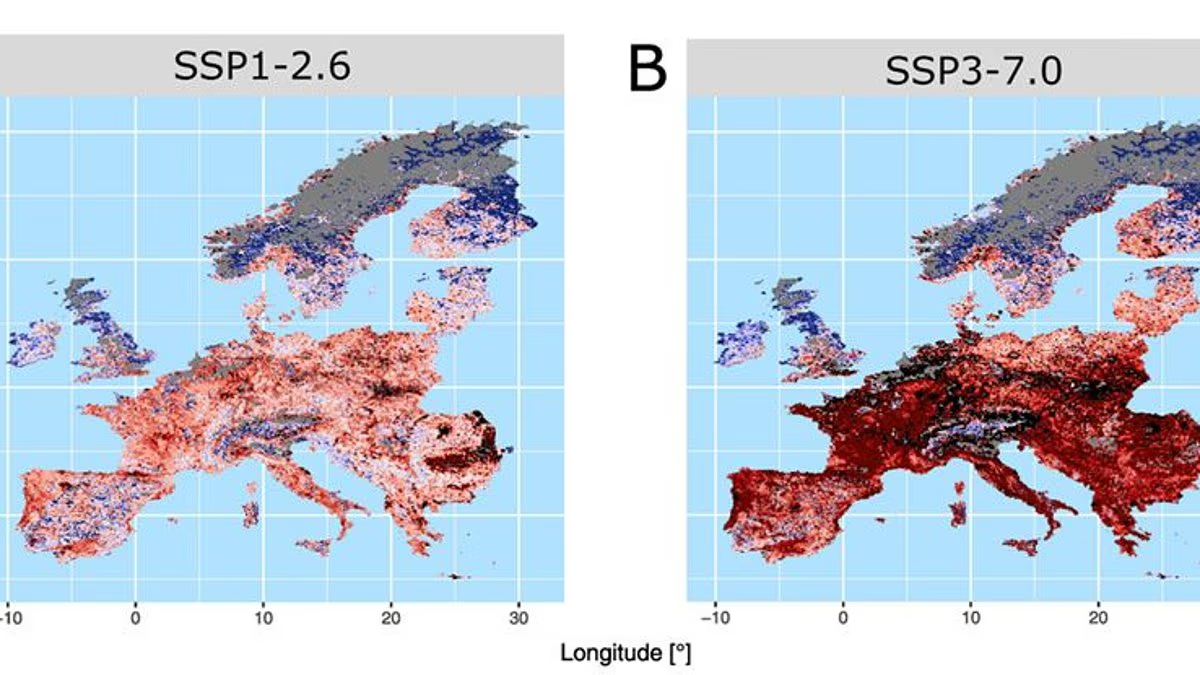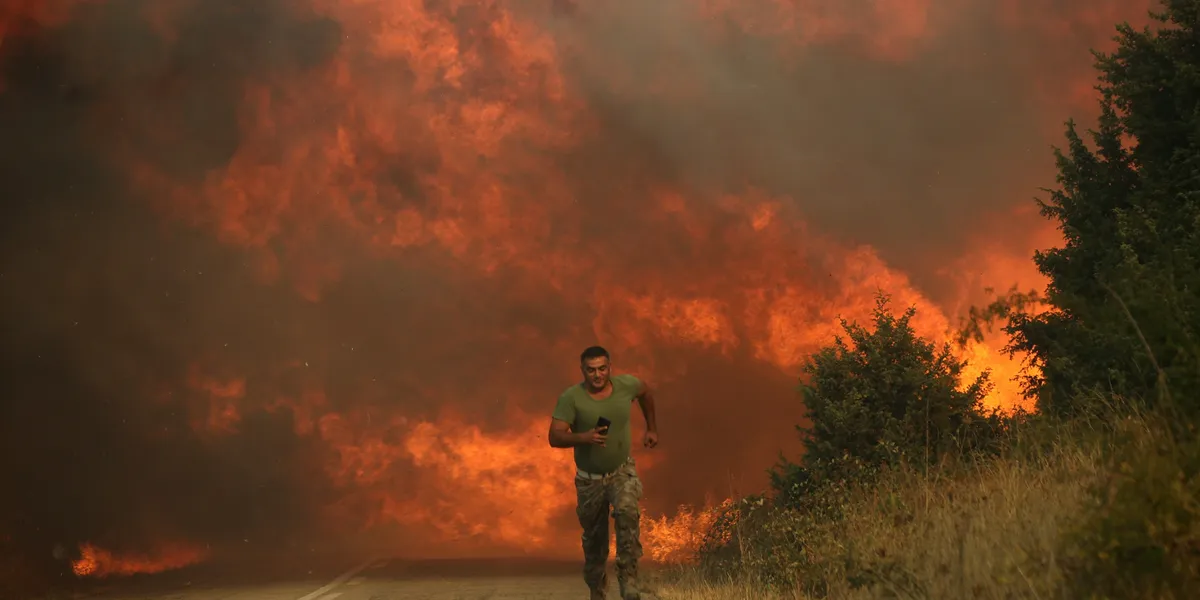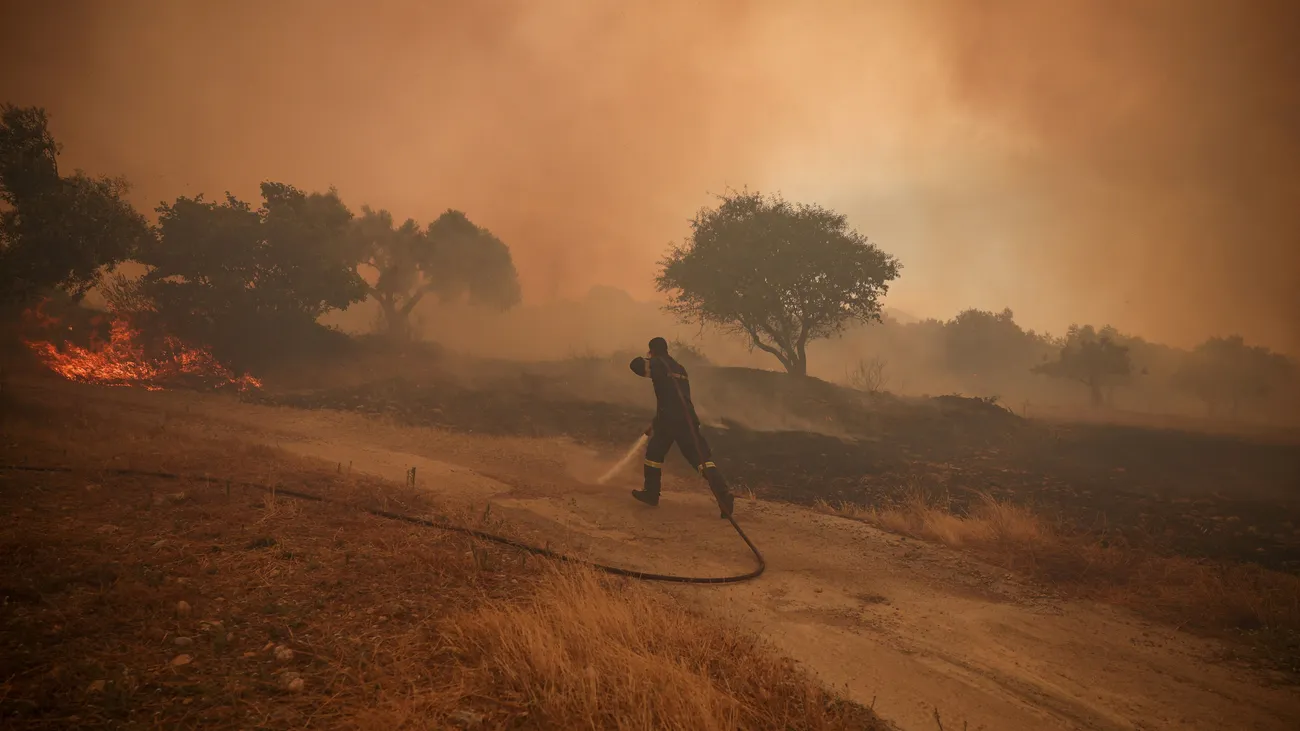
20.08.2026 – Increasingly hot, dry and windy conditions could substantially extend the area affected by wildfires across Europe, according to a new study led by the Potsdam Institute for Climate Impact Research (PIK) with contributions from the Senckenberg Society for Nature Research. In a low emissions scenario (SSP1-2.6), the researchers calculate roughly 39 percent more land would be burnt per year by the end of the century compared to today’s average. In a high emissions scenario (SSP3-7.0), it would be around 192 percent. While emissions reductions are crucial to reducing the impacts of fires, the results also show that improvements in prevention, early detection and firefighting have a key role to help to reduce the scope of area affected.
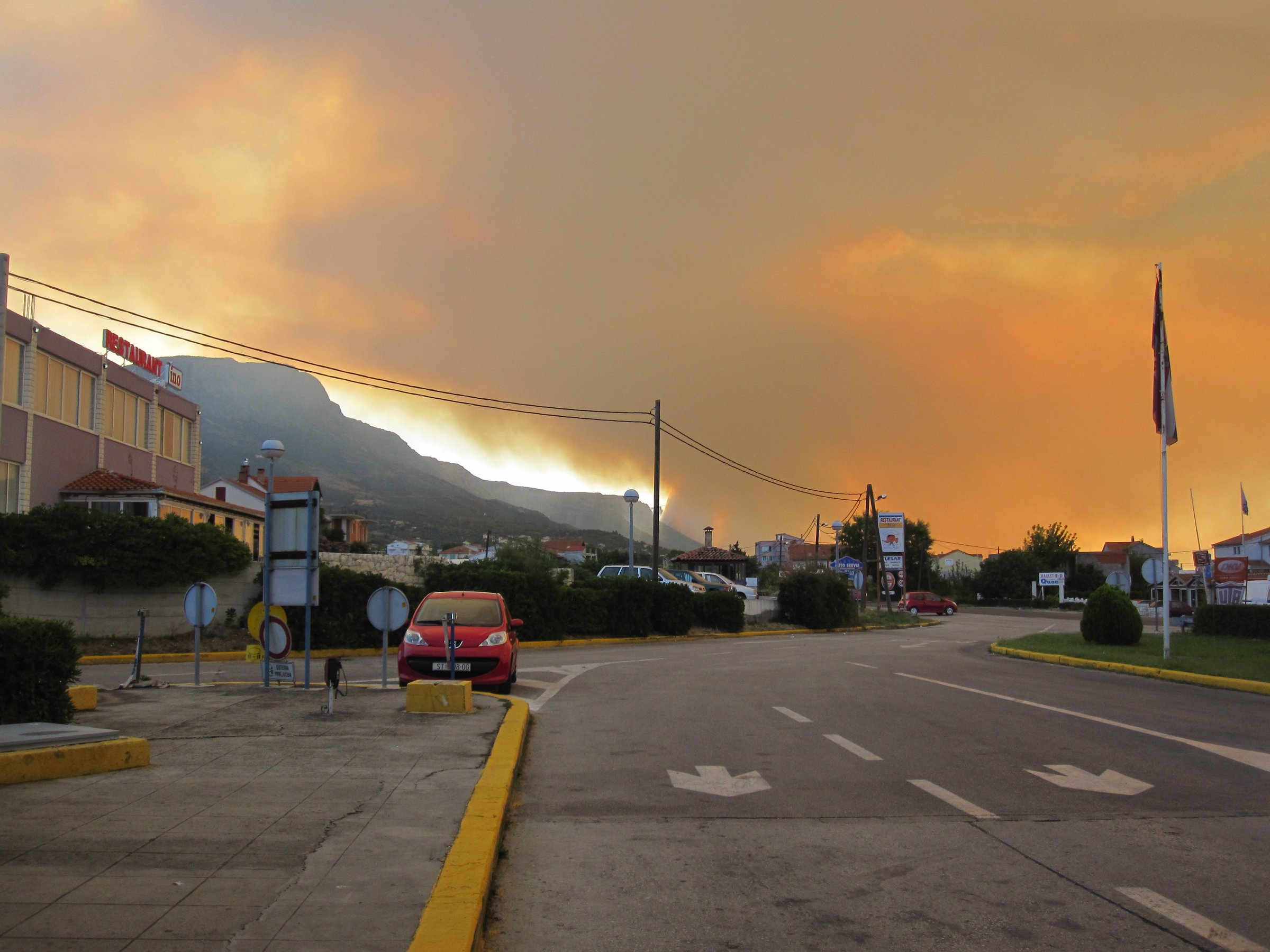
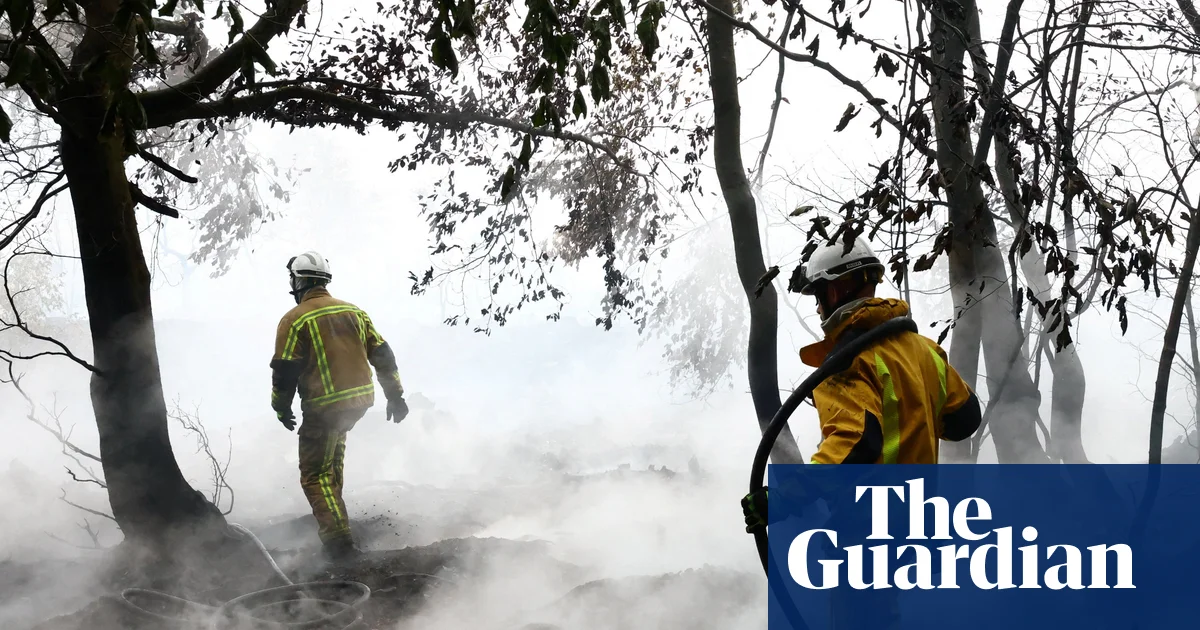
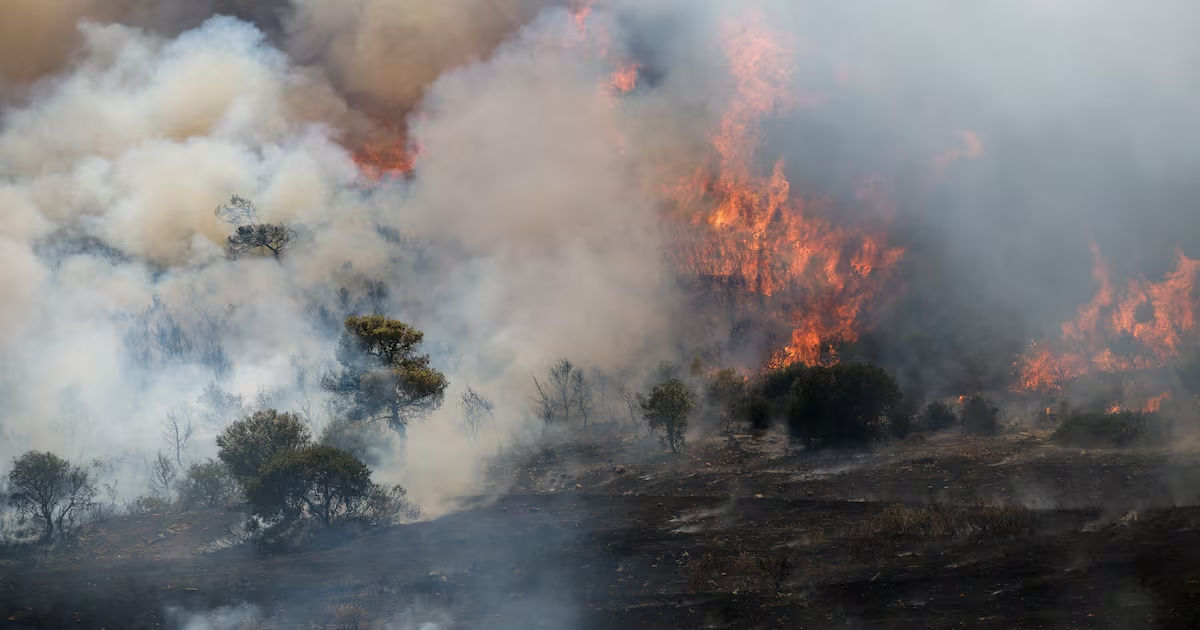
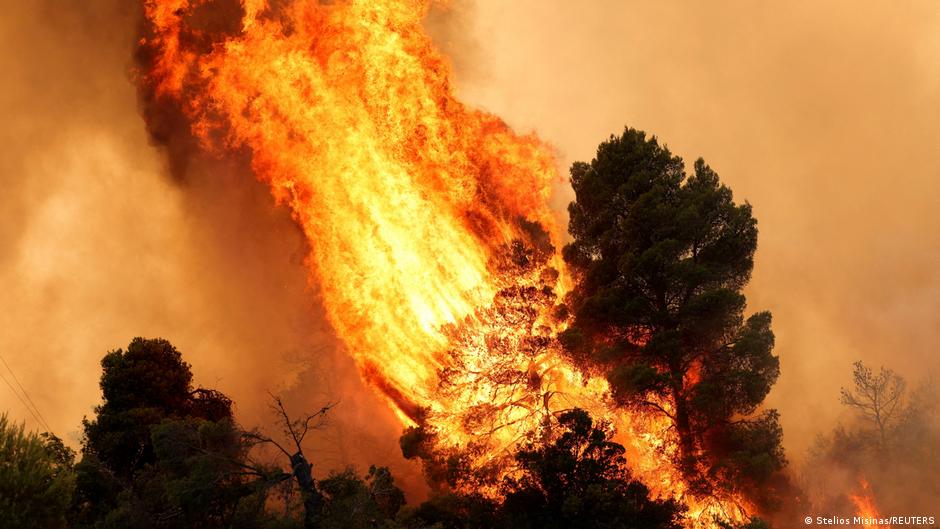
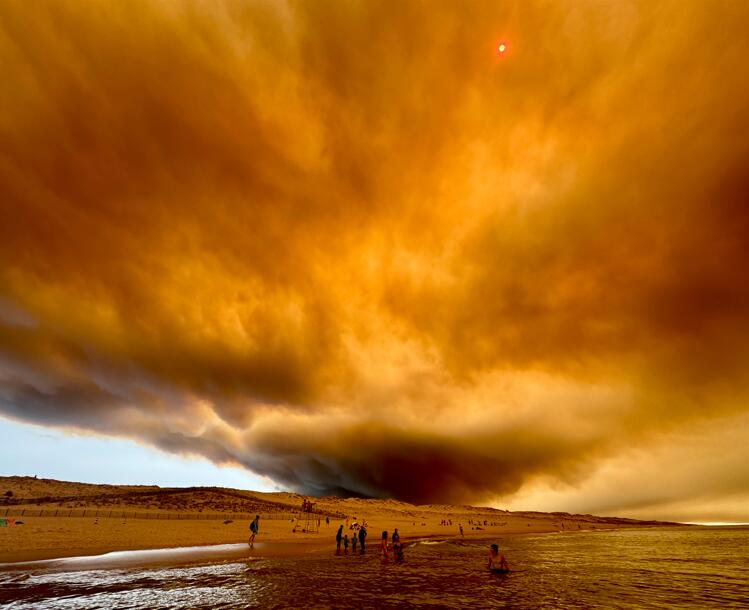
Climate change is intensifying wildfire conditions across Europe, with burned areas projected to increase even under relatively low warming. Photo: Stefan Rahmstorf
“Climate change is driving up fire activity across Europe as hot, dry and windy conditions become more severe,” said Maik Billing, researcher at PIK and lead author of the study published today in Global Change Biology.
“Our results indicate there could be widespread increases in burned area even under comparatively low warming of around 1.8°C. But if we emit more, and global temperatures rise by roughly 3.6°C, we see fires become much more prevalent, especially around the Mediterranean and across much of Western and Central Europe, including areas that to date have not experienced many fires,” Billing added.