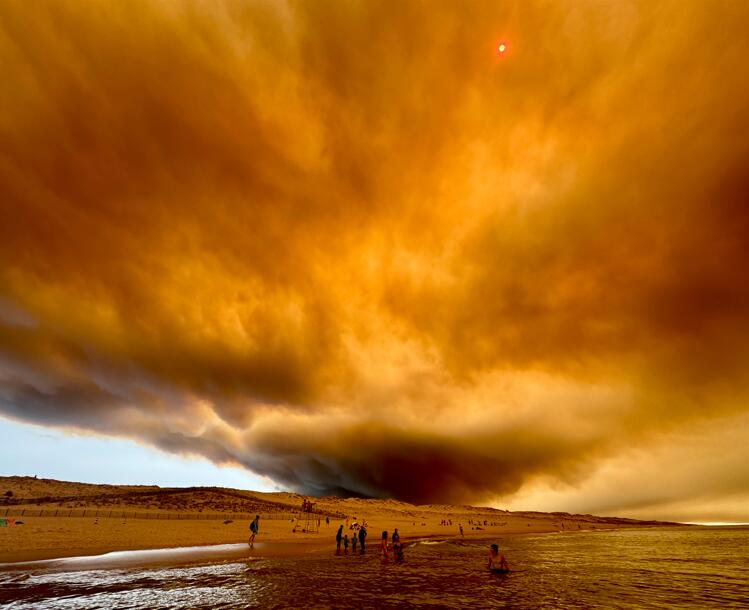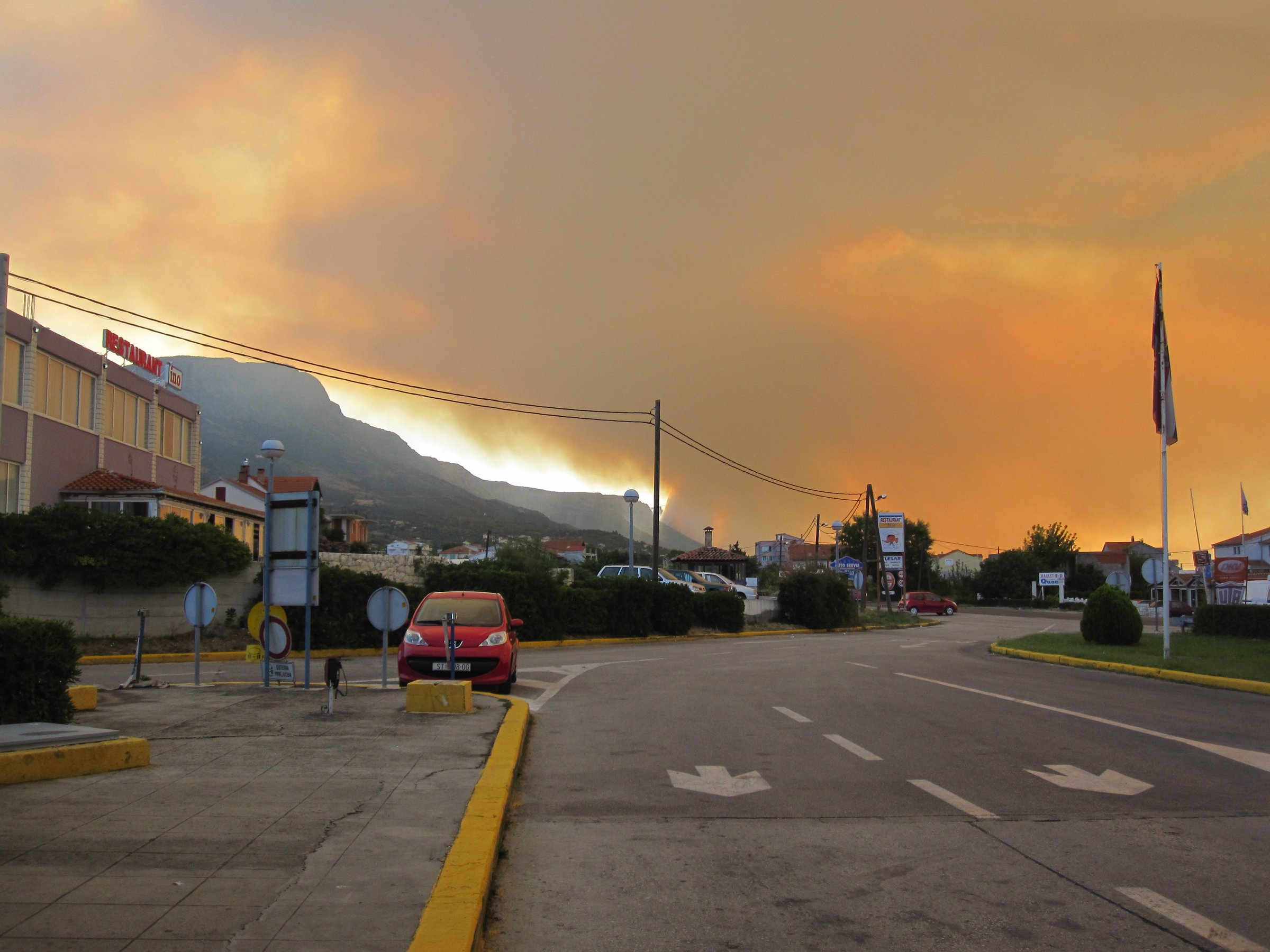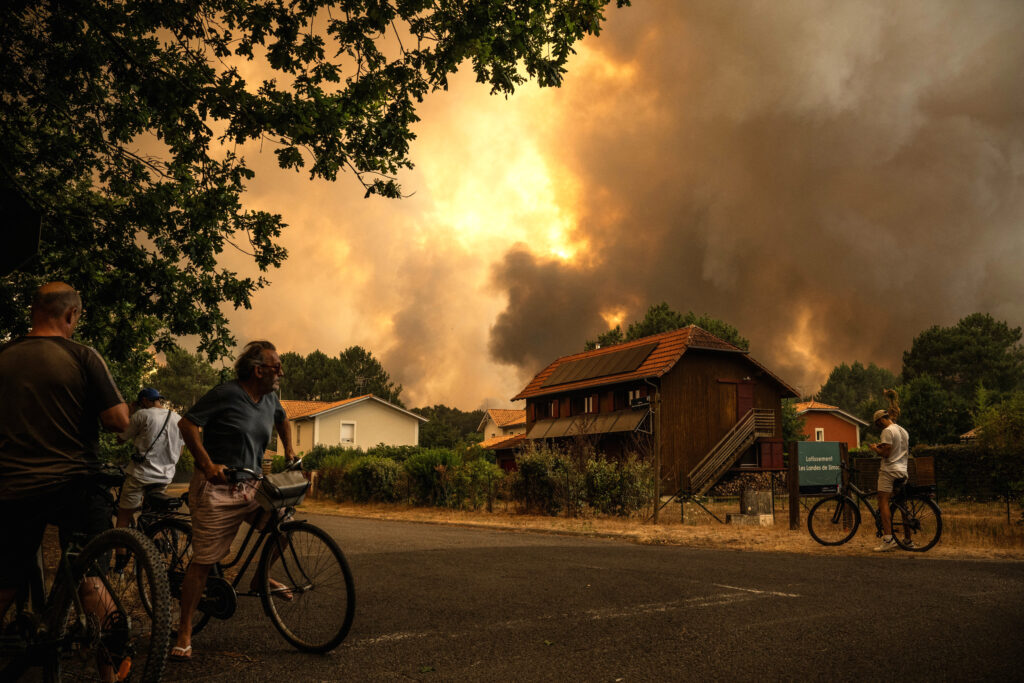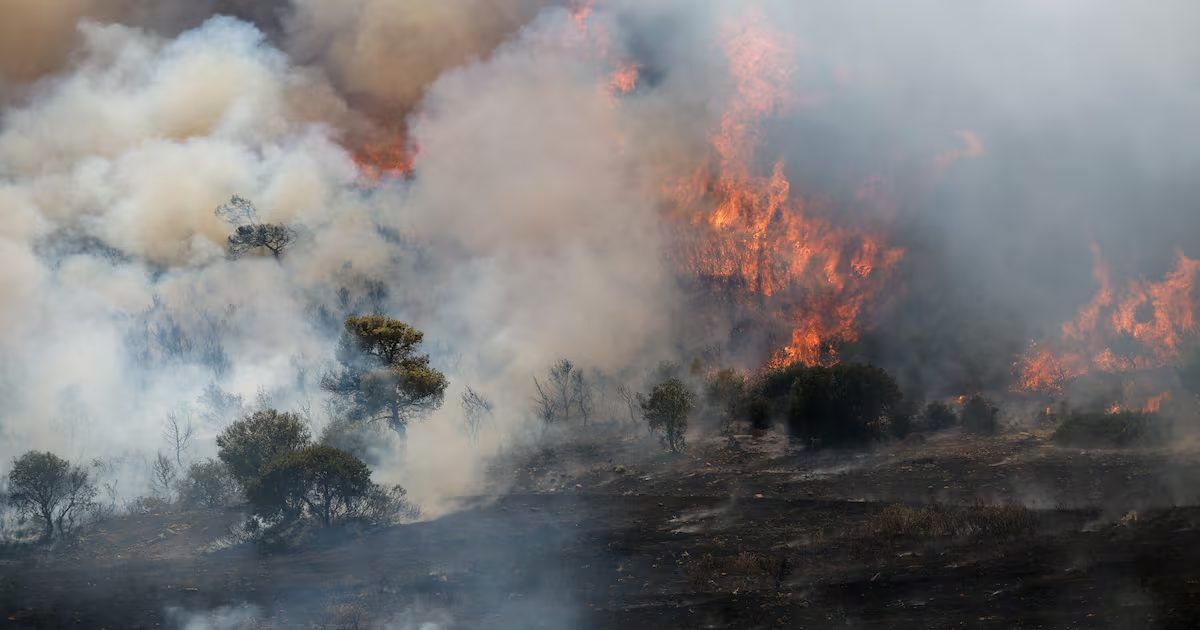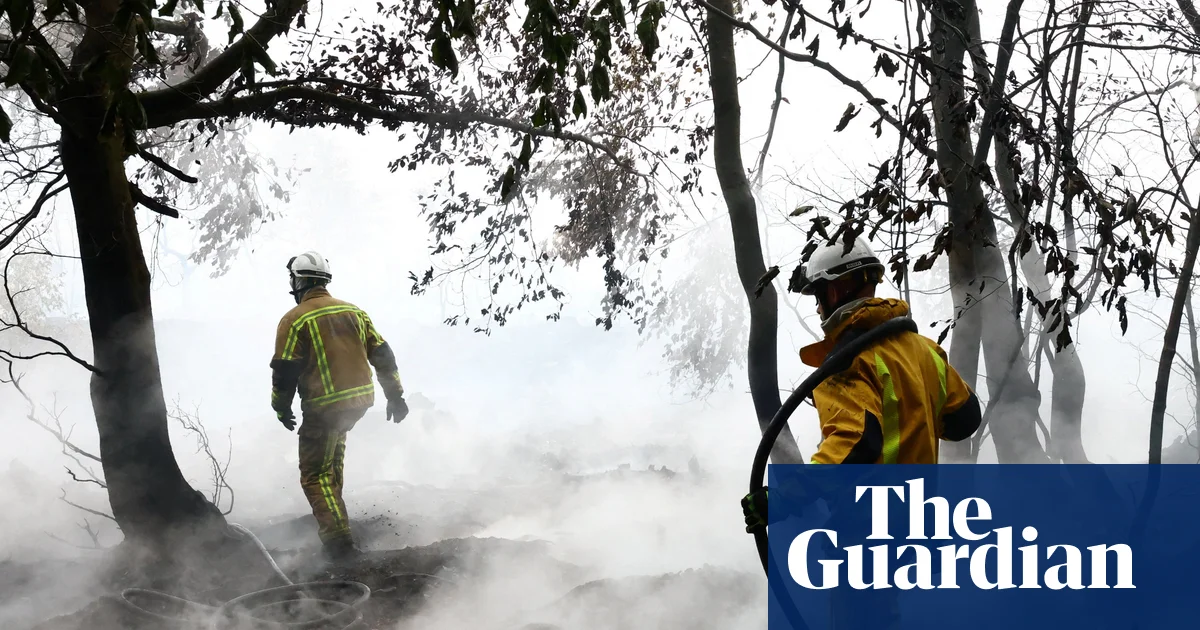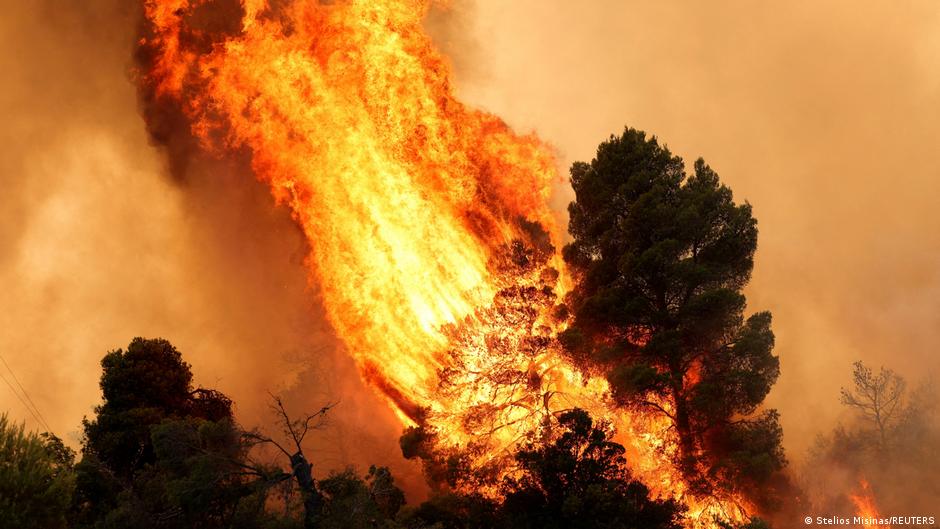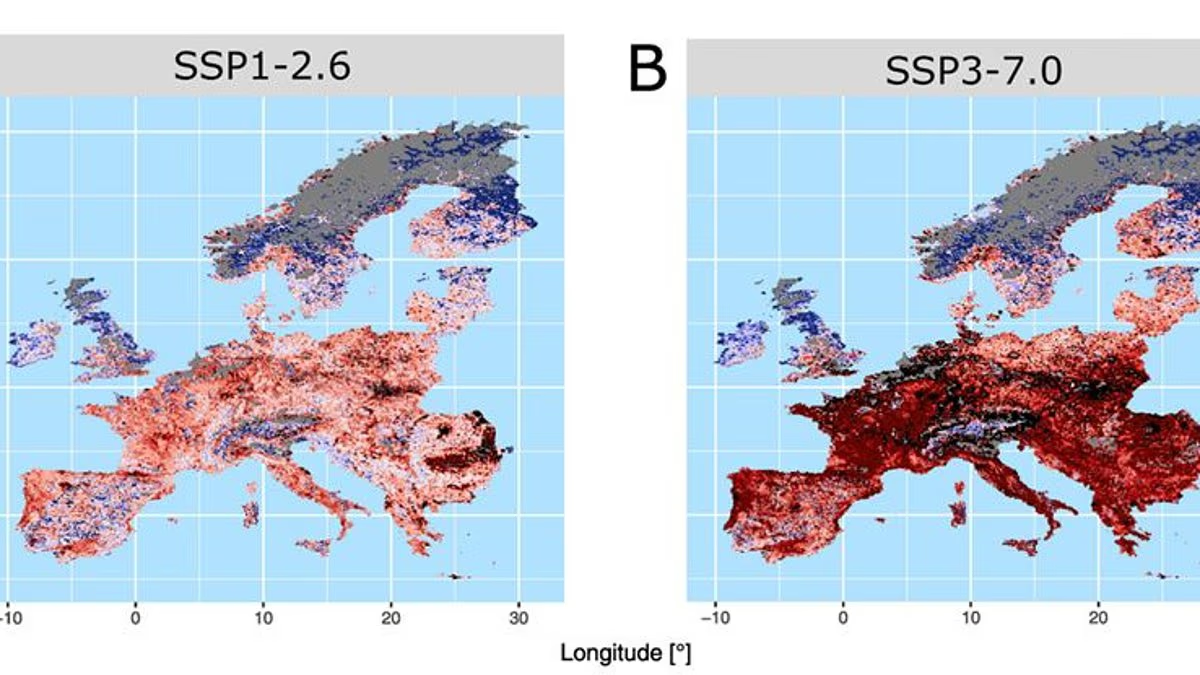
The area ravaged by wildfires in Europe will almost triple by 2100, an ominous study has predicted.Scientists warn that a hotter, drier climate will make fires more common and widespread in the future.In a 'high emissions scenario', where countries don't take steps to cut pollution, temperatures could soar 3.6°C (6.5°F) above the pre–industrial average.Using computer modelling, the researchers predict this will increase the area of Europe affected by wildfires by 193 per cent, reaching 20,463 square miles (53,000 square km) per year.That increase would be spread across much of western and Central Europe as well as the Mediterranean, where a record–breaking fire season has already been raging.However, the researchers also predict that human–caused climate change would see fires igniting in parts of Europe previously unaffected by large blazes.Co–author Dr Kirsten Thonicke, of the Potsdam Institute for Climate Impact Research, says: 'The fires in France, Spain and Greece show how quickly hot, dry and windy weather conditions can stretch firefighters and their resources.'With climate change, conditions could become so extreme that we really hit limits to what we can do to prevent and fight fires once they get to a certain size.' The area ravaged by wildfires in Europe will almost triple by 2100 in a high–emissions scenario (right), an ominous study has revealed. This comes as Europe faces one of the worst fire seasons on record. Pictured: Firefighters battle a blaze in Galicia, Spain Greenhouse gas emissions are increasing the global average temperature and making long periods of hot, dry weather more common and severe.Co–author Professor Thomas Hickler, of the Senckenberg Society for Nature Research, says that 'almost all' of the increase in wildfires in the last few decades has been due to human actions.Likewise, Professor Hickler says that 'all' of the increases that the world will see in the future will be directly attributable to humans' greenhouse gas emissions.The researchers used a set of computer models to predict how climate change will affect the scope of wildfires in the future.These models simulate how changes in climate and weather conditions influence vegetation growth, humidity, wind speed, and even factors like the number of lightning strikes.Those factors are then combined with predictions of changing land use, such as deforestation for agriculture, and shifts in population density to work out the area affected by fires.If the world doesn't do anything to bring down emissions, the simulations predict substantial increases in burned area across Europe.This is largely due to the increase in 'extreme fire weather', driven by longer and deeper summer droughts. This comes after an extreme wildfire risk in the UK prompted the government to activate the national emergency alert system However, the researchers also discovered that the area affected by wildfires will increase even if we act now to cut emissions.In a 'low emissions scenario' where warming is kept to 1.8°C (3.2°F), 39 per cent more land per year will be burned by the end of the century.Professor Hickler says that this is due to an effect known as 'warming in the pipeline'.'The climate system reacts slowly,' Professor Hickler explains.'Most of the extra heat trapped in the atmosphere by more greenhouse gases goes into the ocean, and it takes a long time until the coupled ocean–atmosphere system gets into a new system state that is in equilibrium with the greenhouse gas forcing.'Furthermore, we have sparked other processes that create positive feedbacks, such as the increasing permafrost melting releasing CO2 to the atmosphere.'Sensible emissions–cutting policies can help Europe avoid the worst of the wildfire increases, but a growing threat is now inevitable.That will come as an ominous warning for many European nations that are already grappling with one of the worst fire seasons on record.
Think this is bad? Wildfire areas in Europe will TRIPLE by 2100
The area ravaged by wildfires in Europe will almost triple by 2100, an ominous study has revealed.
1,063 words~5 min read