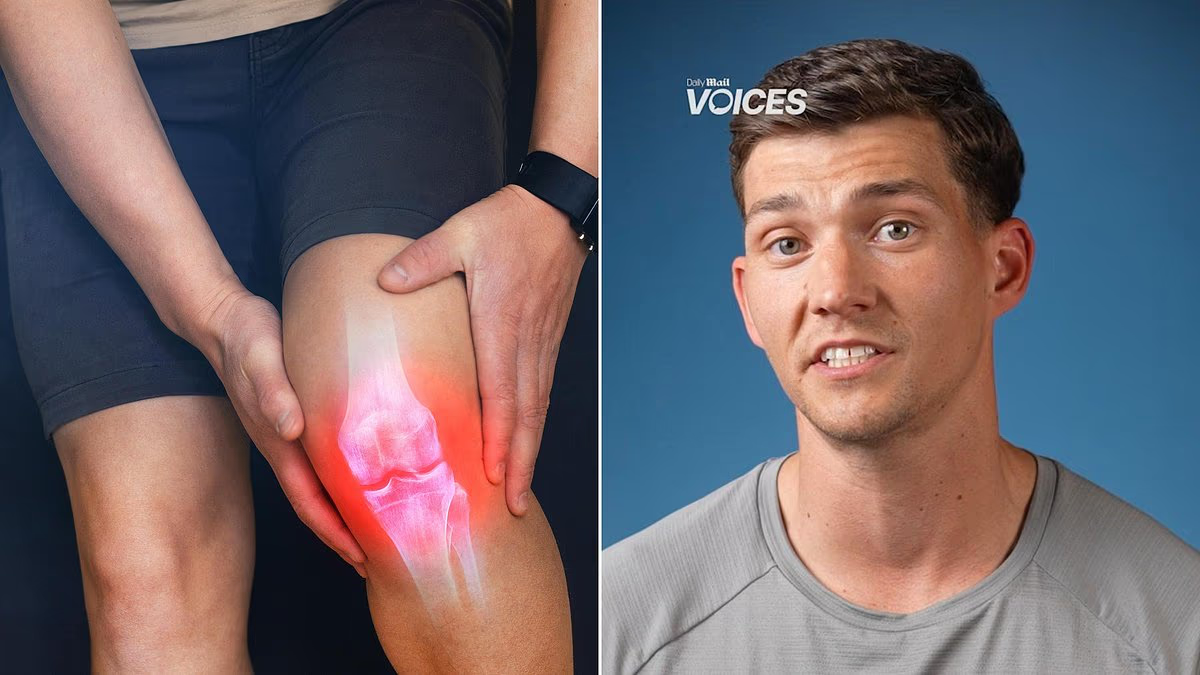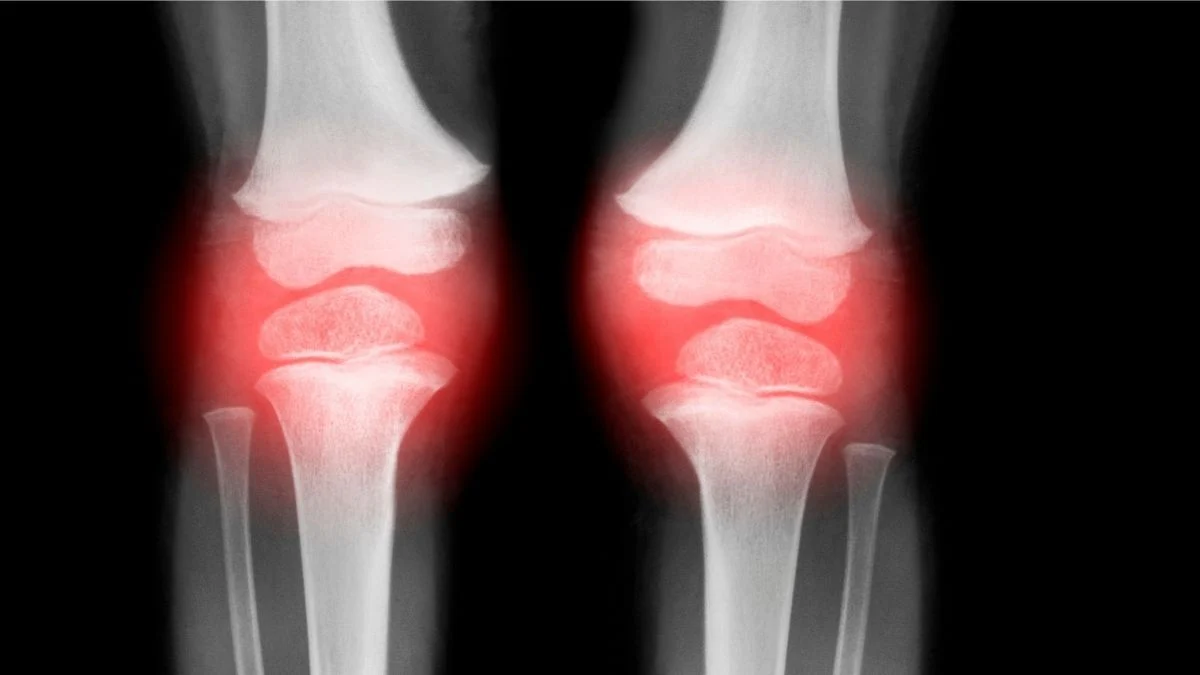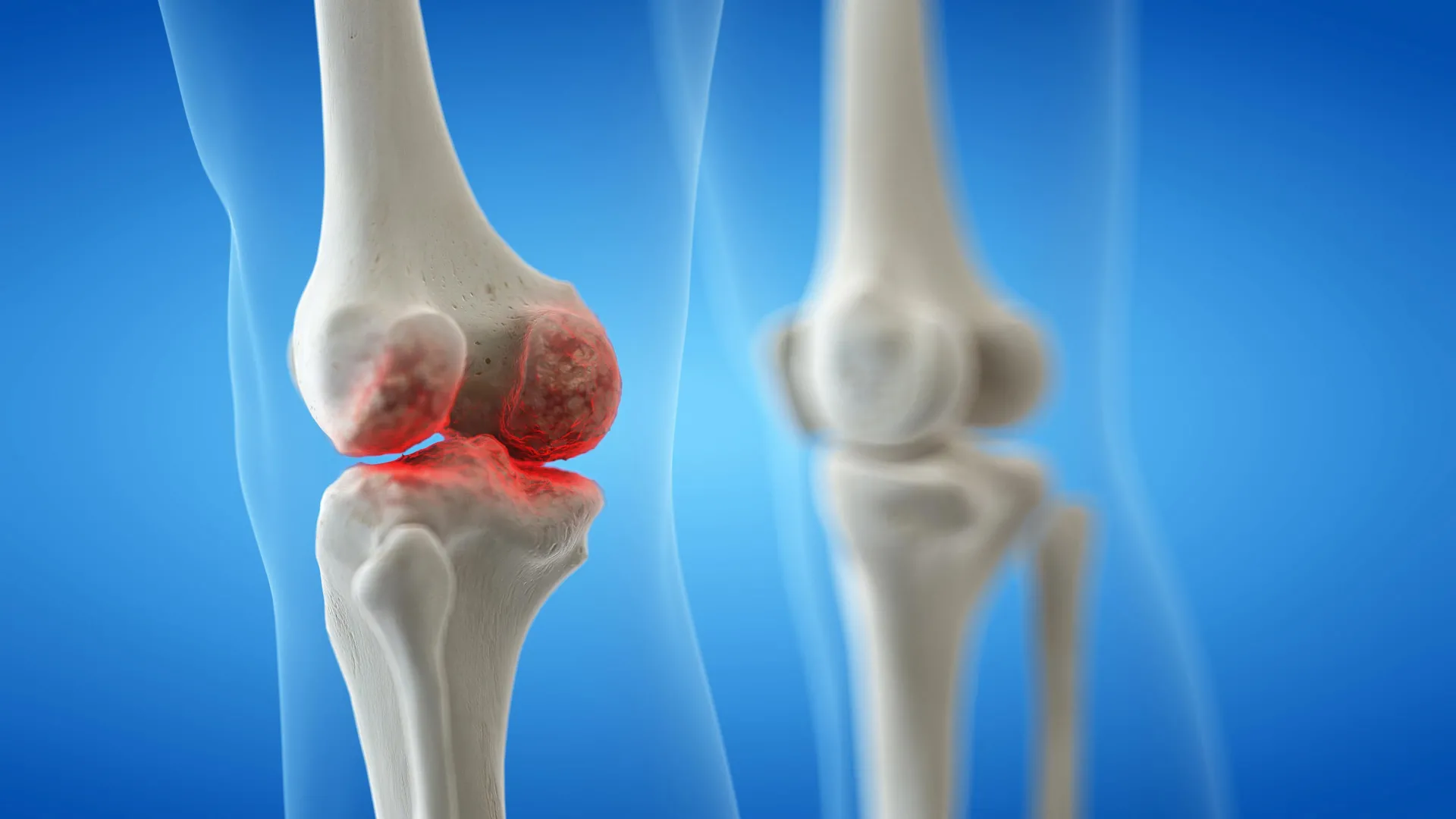
Knee pain is a familiar problem for many people, particularly as they get older. Although persistent knee discomfort can have many causes, osteoarthritis is one of the most common.
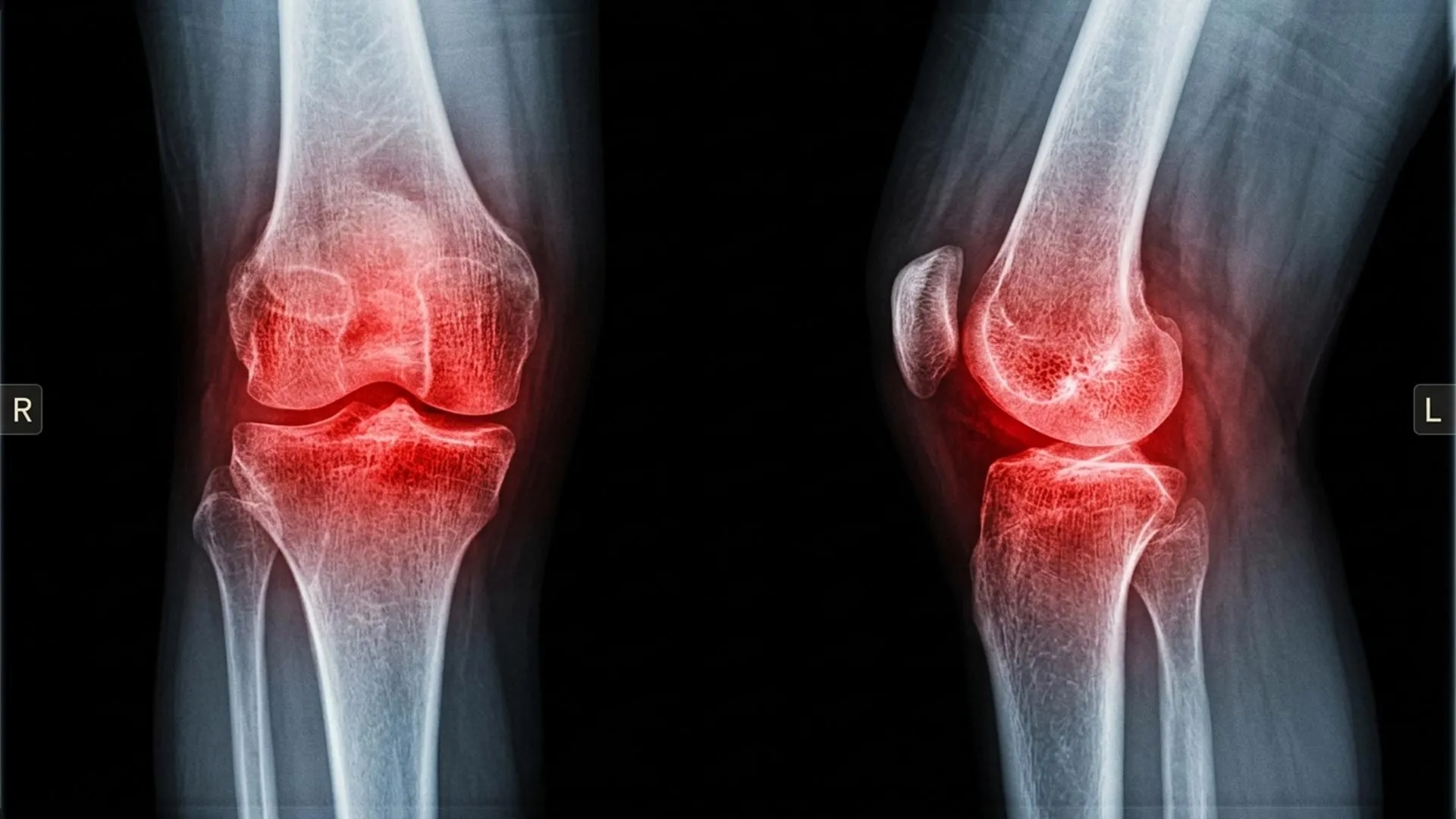
Knee osteoarthritis develops as the cartilage that cushions the bones in the joint gradually breaks down. Healthy cartilage allows the knee to move smoothly while helping protect the bones. As this protective layer becomes thinner, pain and other problems can develop and may become more severe over time.
"Osteoarthritis can cause knee pain and stiffness, which can negatively impact a person's activity level, risk of falling, mood and general quality of life," said Dr. Abby Cheng, an orthopedic surgeon at Washington University School of Medicine in St. Louis who also specializes in physiatry, the nonsurgical treatment and rehabilitation of conditions such as arthritis.
Knee Osteoarthritis Can Affect More Than Mobility
The effects of osteoarthritis can extend well beyond pain in the joint. Difficulty moving can result in missed work and lost income. It can also discourage people from being physically active, which may increase their risk of chronic conditions including heart disease, cancer and diabetes.