On 9 March 2026, ECRI, the Pennsylvania-based patient safety nonprofit that has been ranking healthcare hazards since the Carter administration, released a document that ought to have detonated through medicine the way the original Institute of Medicine report on medical error did twenty-five years ago. It did not. There were no congressional hearings, no rolling cable news segments, no minute-long agency statements promising action. What there was, instead, was a press release, a few trade-press write-ups, and a particular kind of silence: the silence of an industry that has heard the warning and decided to keep moving anyway.
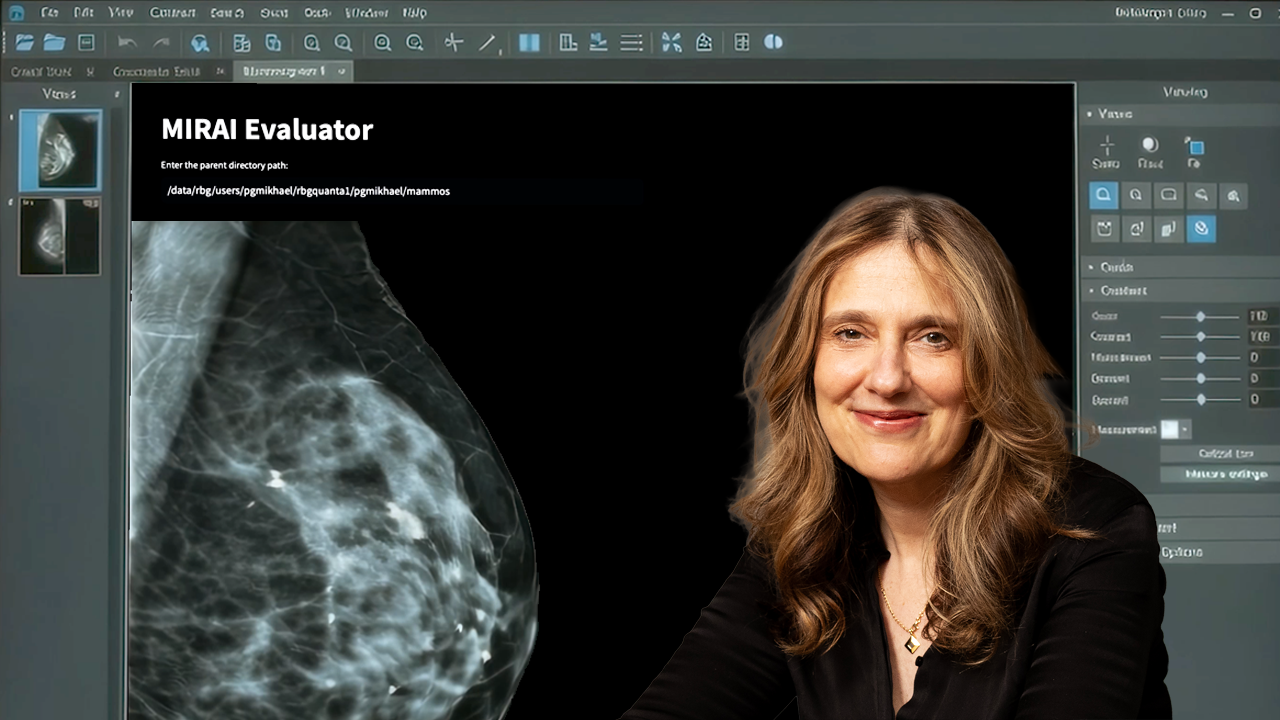
ECRI's annual Top 10 Patient Safety Concerns is the closest thing American medicine has to an official threat assessment. For 2026, the organisation placed at number one the risk posed by artificial intelligence in clinical diagnosis. Not the chatbots patients talk to in the small hours, not the administrative scribes that write up notes from consultation audio, but the diagnostic systems sitting inside hospital workflows: the algorithms that read mammograms, screen chest X-rays for nodules, flag deteriorating patients on inpatient wards, route radiology priorities, and increasingly draft preliminary impressions that an overworked specialist either confirms or ignores.