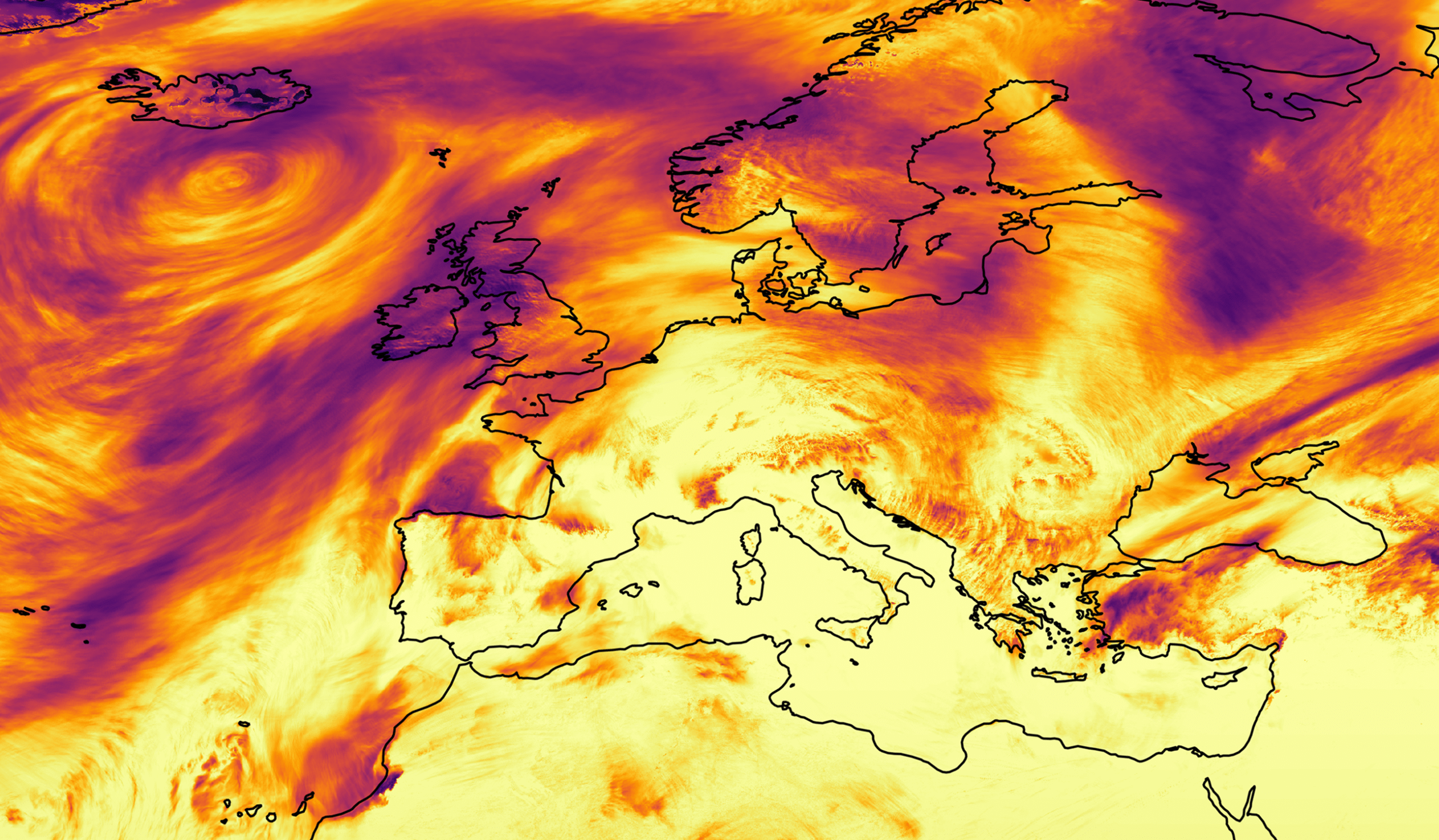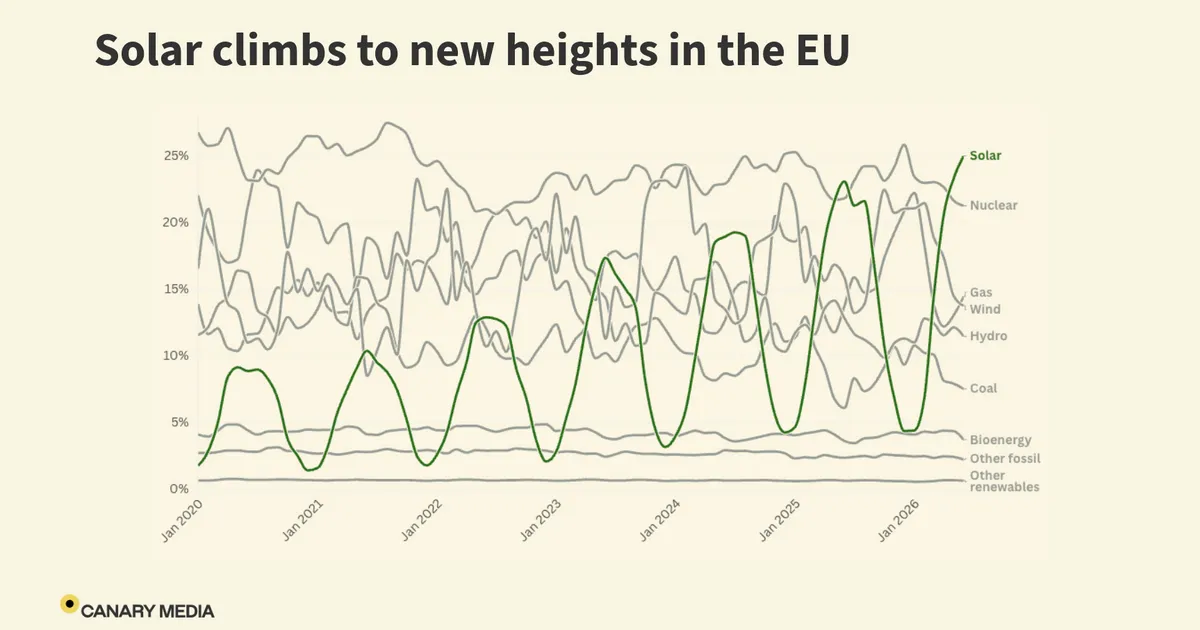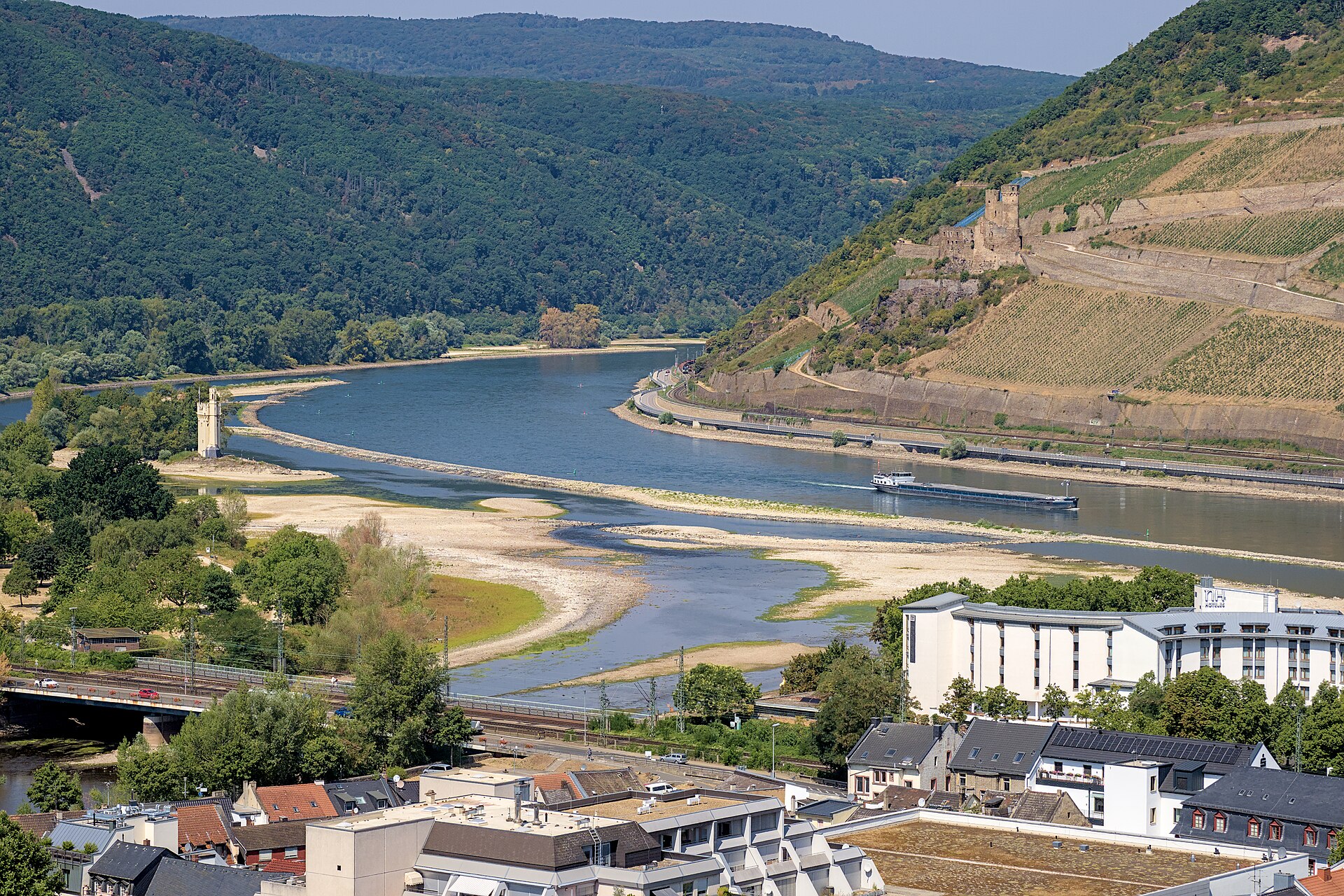
Europe’s hydro fleet produced less power in the summer of 2026 than it did in the drought summer of 2022, and reservoir stocks finished the period 7.7% below their eleven-year median with France under its historical floor. Over those same four years solar generation across the affected systems rose by 39 TWh. That surplus is now visibly reorganizing the rest of the fleet: reservoir hydro has withdrawn from the middle of the day, and pumped storage has moved its charging window from the pre-dawn hours into the middle of the day, with the peak charging hour shifting from around 04:00 to between 13:00 and 14:00, and the correlation between hourly solar output and hourly pumping rising from zero to 0.86 in six summers.
Across the ten systems that report complete hydro and solar data for every year since 2020, hydro generation between June 1 and August 15 came to 31.65 TWh. That is the lowest reading of the seven summers on record, and 6.0% below the drought summer of 2022, when the same ten systems produced 33.69 TWh over the same calendar window.
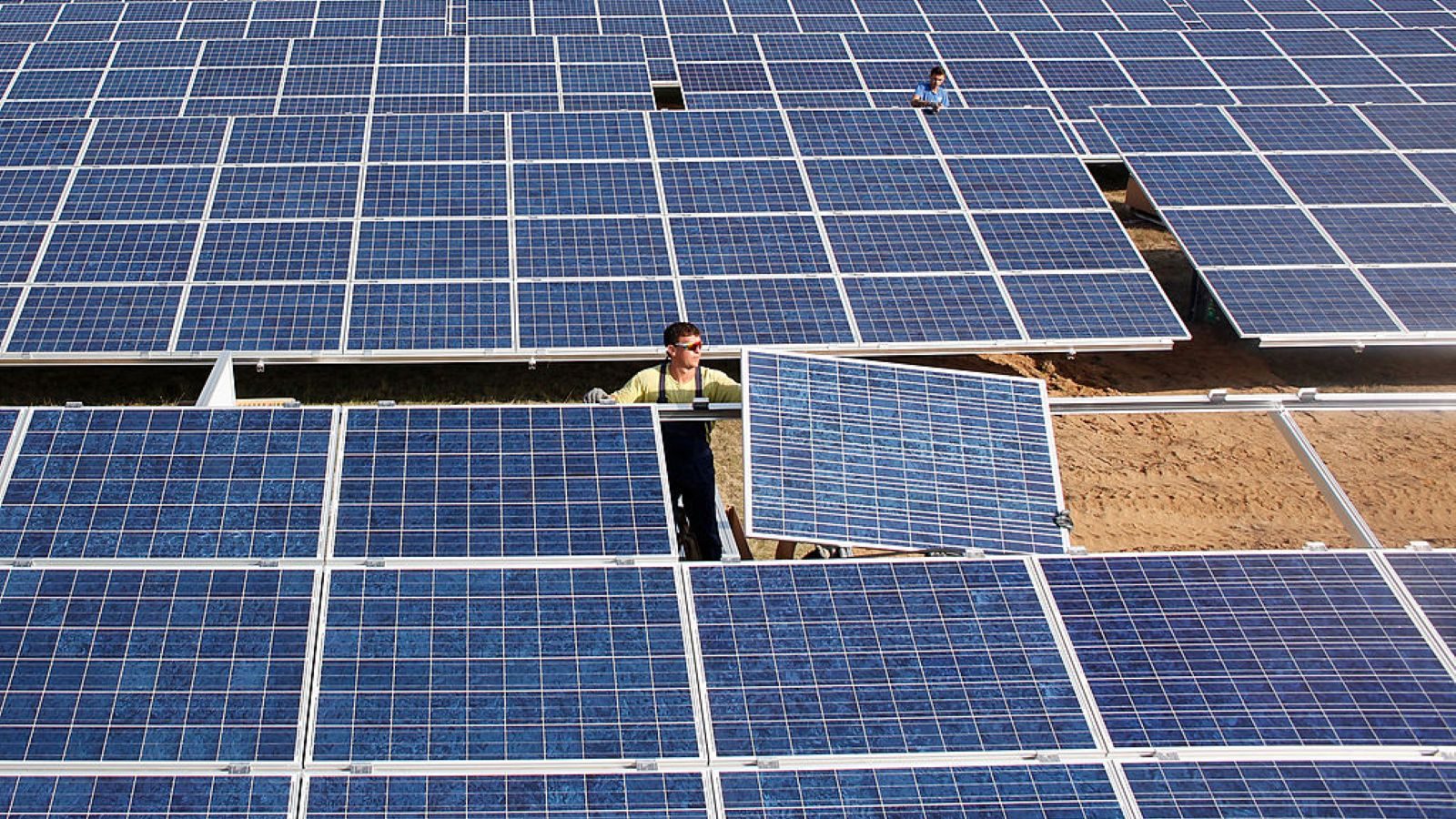
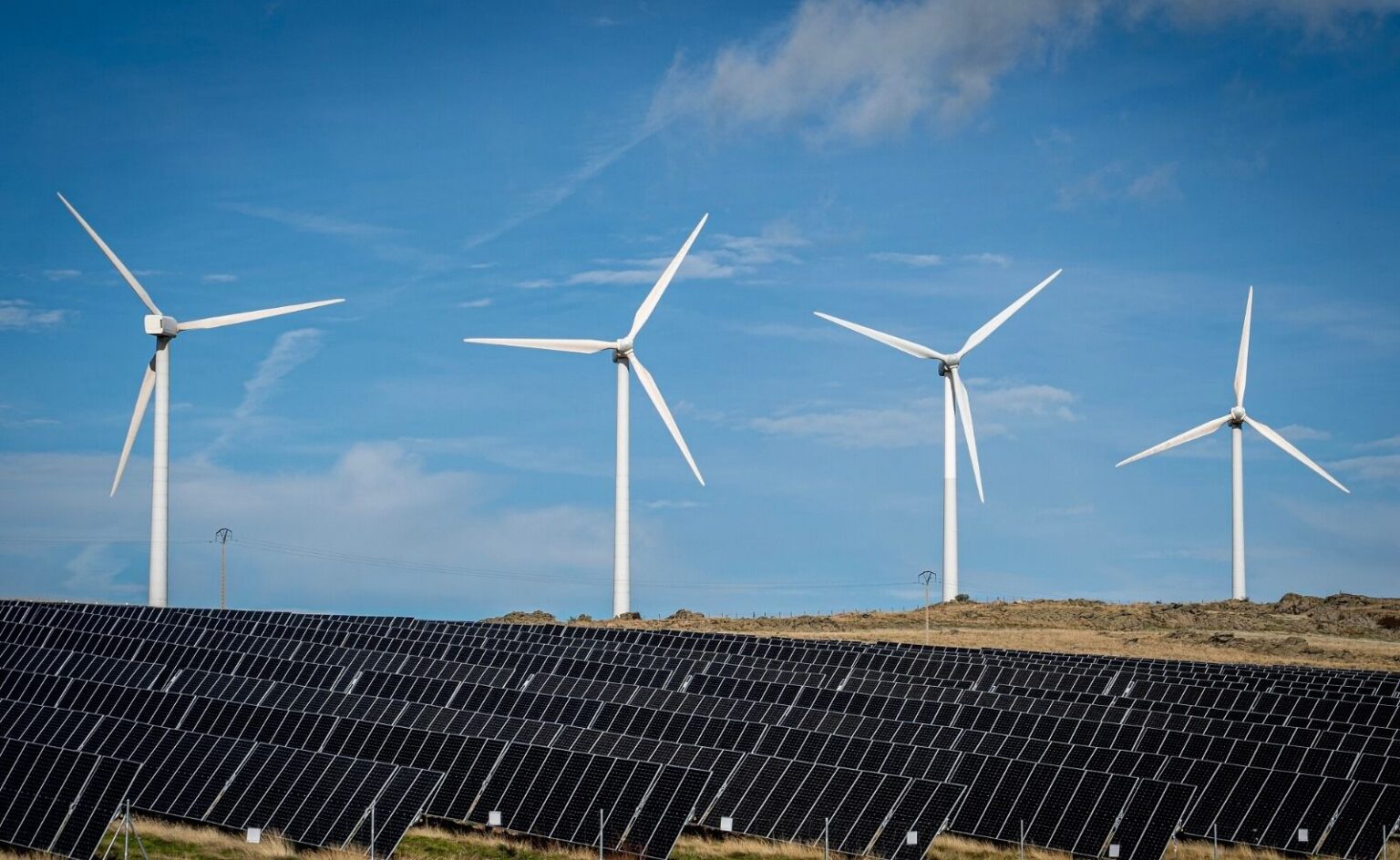
Solar generation across those same systems was 45.27 TWh in 2022 and 84.44 TWh in 2026. Combined hydro and solar output rose from 78.96 TWh to 116.09 TWh, an increase of 47.0%. The water did less than it did in 2022. The system around it did considerably more.