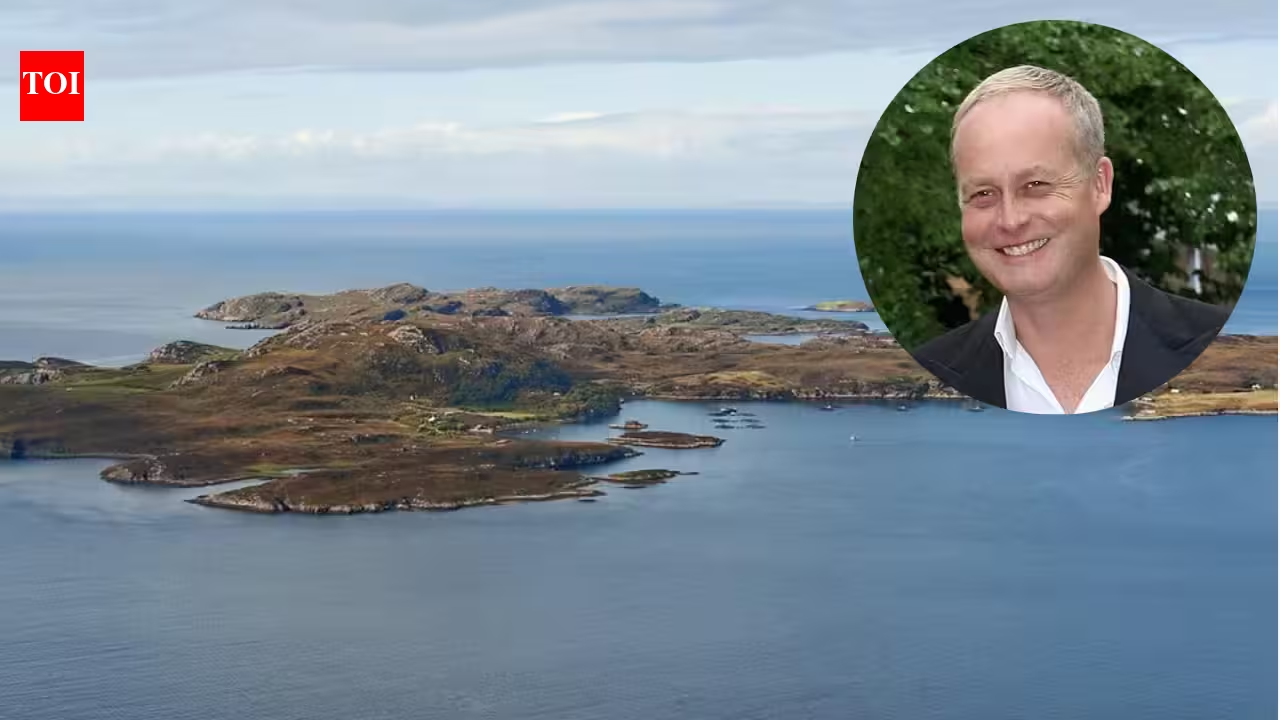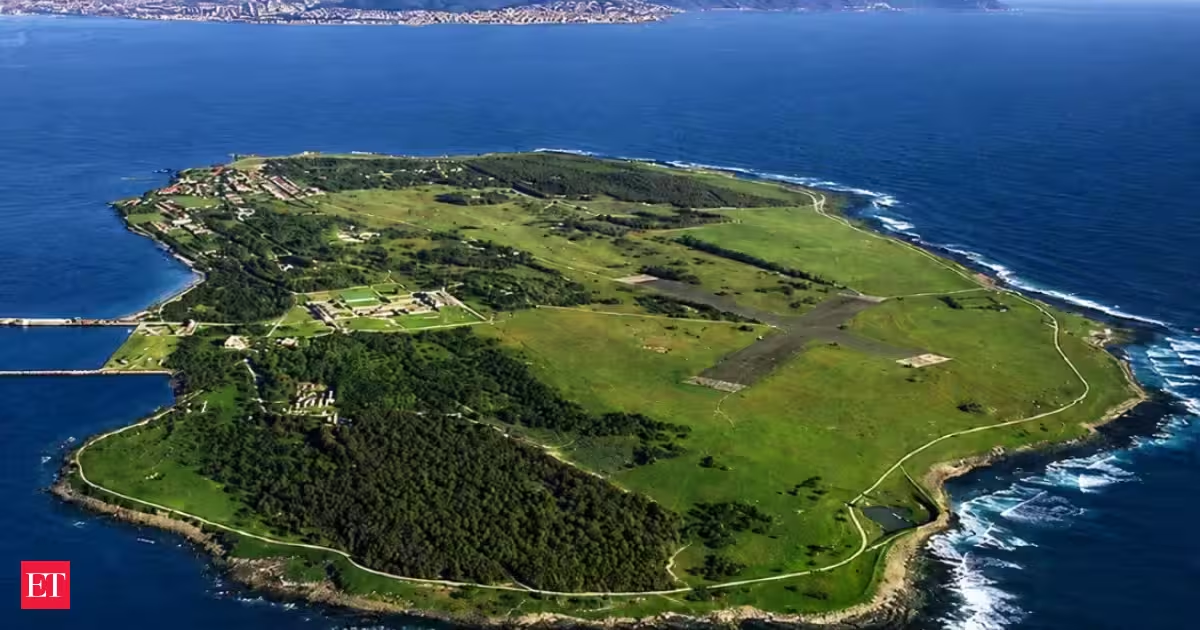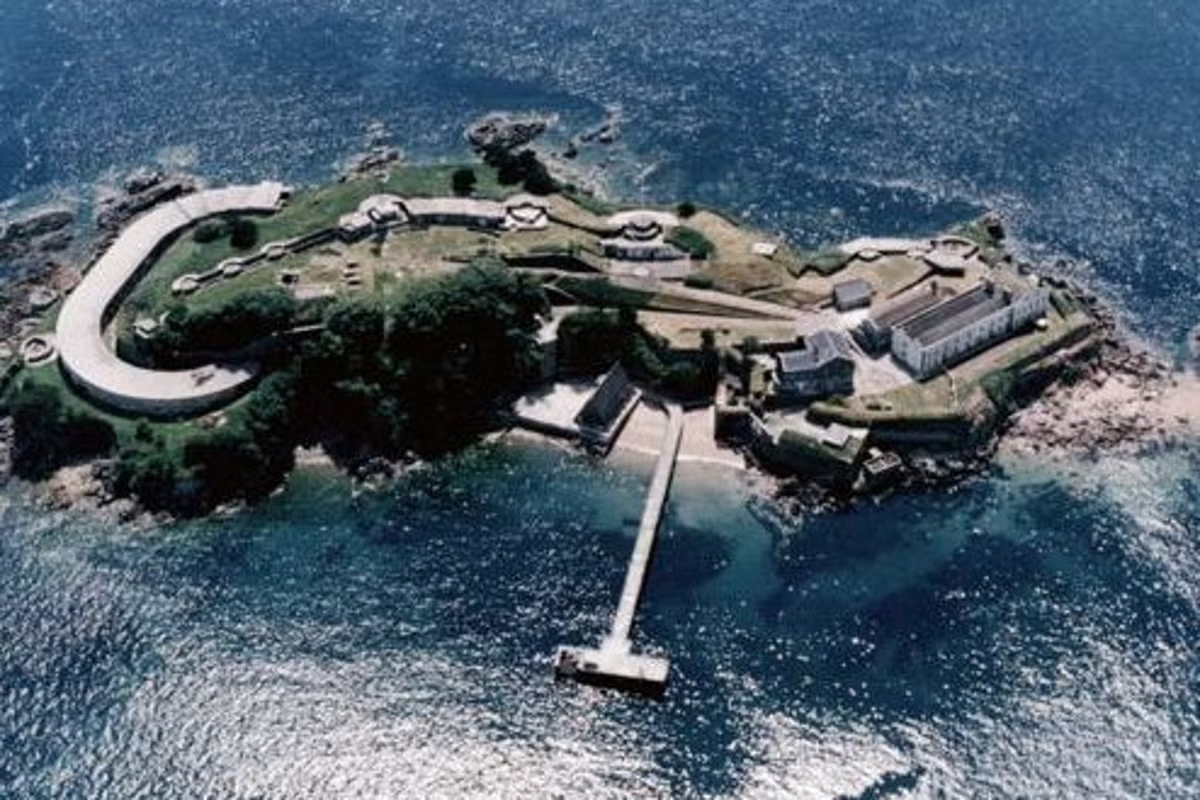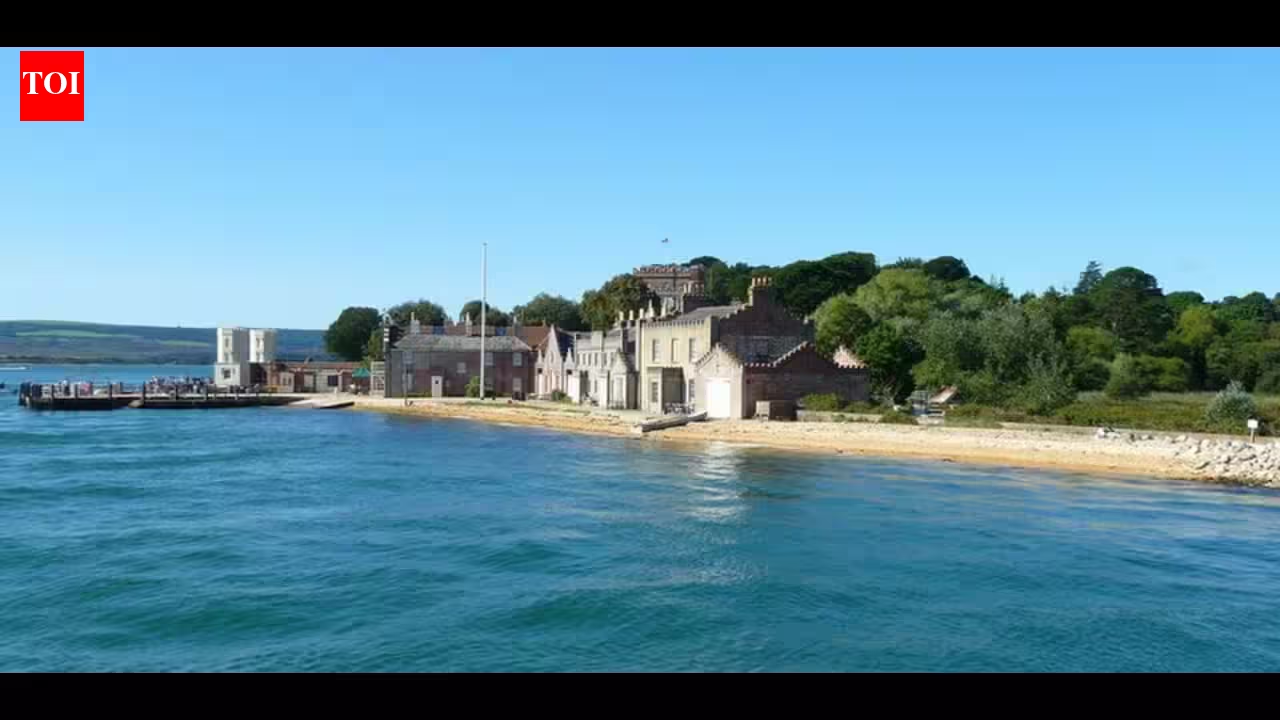
Mary Bonham-Christie bought Brownsea Island in 1927. Image Credits: Wikimedia Commons.In 1927, Mary Bonham-Christie paid £125,000 for Brownsea Island in Dorset and began turning the private estate into a refuge where wildlife could flourish away from the bustle of human society. At 62, she withdrew from the social life associated with the island, moved into the Agent’s House on the quay and increasingly kept people away from her property. For the next 34 years, until she died in 1961, she lived reclusively on Brownsea while allowing much of the island’s landscape to become wilder.Her approach was a striking departure from the way Brownsea had been managed earlier in the century. According to the Dorset Natural History and Archaeological Society Proceedings, Charles and Florence van Raalte bought the island in 1901. They turned it into a centre of Edwardian social life, hosting wealthy and titled guests for parties, holidays and shooting weekends. The estate employed servants, farm workers, gamekeepers, builders and boatmen, and the island supported a busy community during their ownership. Bonham-Christie took the same island in the opposite direction. Instead of filling it with guests and activity, she increasingly shut it off, creating the secluded environment that would define her 34-year ownership.From country estate to wildlife refugeBonham-Christie’s priorities were markedly different from those of the previous owners. She had a strong dislike of activities that involved killing animals and stopped shooting and fishing on the island. Dairy farming was abandoned, orchards were left unattended, and the daffodil fields that had once supplied the Covent Garden flower market were no longer cultivated. Farm animals were allowed to roam rather than being kept within the tightly managed agricultural system that had operated before her arrival.The transformation also changed life for the people who worked on the estate. Many lost their jobs and returned to the mainland as Bonham-Christie became increasingly protective of her privacy and restricted access to the island. Historic England describes her as Brownsea’s last private occupier and notes that the resident population was relocated to the mainland during her ownership. As regular estate management declined, fields, gardens and orchards were gradually left less intensively managed. Woodland and heathland expanded, giving wildlife a more varied landscape in which to survive. Brownsea was not completely cut off from human activity, however. During the Second World War, refugees were housed on the island and military operations caused further disturbance. Even so, the long-term decline in farming and estate activity changed Brownsea’s character, leaving wildlife with more space and less day-to-day human interference.An isolated refuge during a changing centuryThe Second World War brought another unexpected role for the island. Brownsea briefly sheltered exhausted Dutch and Belgian refugees in 1940. The following year, a night decoy was established on its western side, using flares to make German bombers believe they were approaching the nearby towns of Poole and Bournemouth. The decoy site succeeded, but the operation also damaged the abandoned settlement of Maryland. Even during these years of upheaval, however, Brownsea's relative isolation continued to shape what happened to its landscape and wildlife.That isolation later became particularly important for the island's red squirrels. According to Ecology and Evolution, red squirrels in southern England are now restricted to Brownsea Island, Furzey Island and the Isle of Wight, with genetic analysis identifying private haplotypes that may represent distinct genetic lineages important for conservation. Biodiversity and Conservation likewise reports that these island populations remain largely isolated from competition with grey squirrels, although their small size and geographic isolation leave them vulnerable.Red squirrels in southern England survive only on Brownsea Island. Image Credits: Wikimedia Commons.What happened after the recluse died?Mary Bonham-Christie died in 1961, aged 96, bringing 34 years of private ownership to an end. Her death left Brownsea facing an uncertain future. The island was at risk of development, with proposals reportedly including hundreds of houses. Local conservationists, led by Helen Brotherton, organised a campaign to protect it from being transformed into a residential estate.Their efforts eventually opened the island to a new chapter. The woman who had spent decades keeping people away was gone, but the landscape she had protected through her isolation was still there. Conservationists and later owners worked to preserve Brownsea rather than turn it into the development that had once been proposed. Today, Brownsea retains traces of its earlier estate history, while its woodlands, heathlands and wildlife have become an important part of the island’s landscape.
In 1927, a woman bought an English island for £125,000 to create a refuge for animals; she lived reclusively there for 34 years
In 1927, Mary Bonham-Christie paid £125,000 for Brownsea Island in Dorset and began turning the private estate into a refuge where wildlife could flourish away from the bustle of human society. At 62, she withdrew from the social life associated with the island, moved into the Agent’s House on the quay and increasingly kept people away from her property.
735 words~3 min read