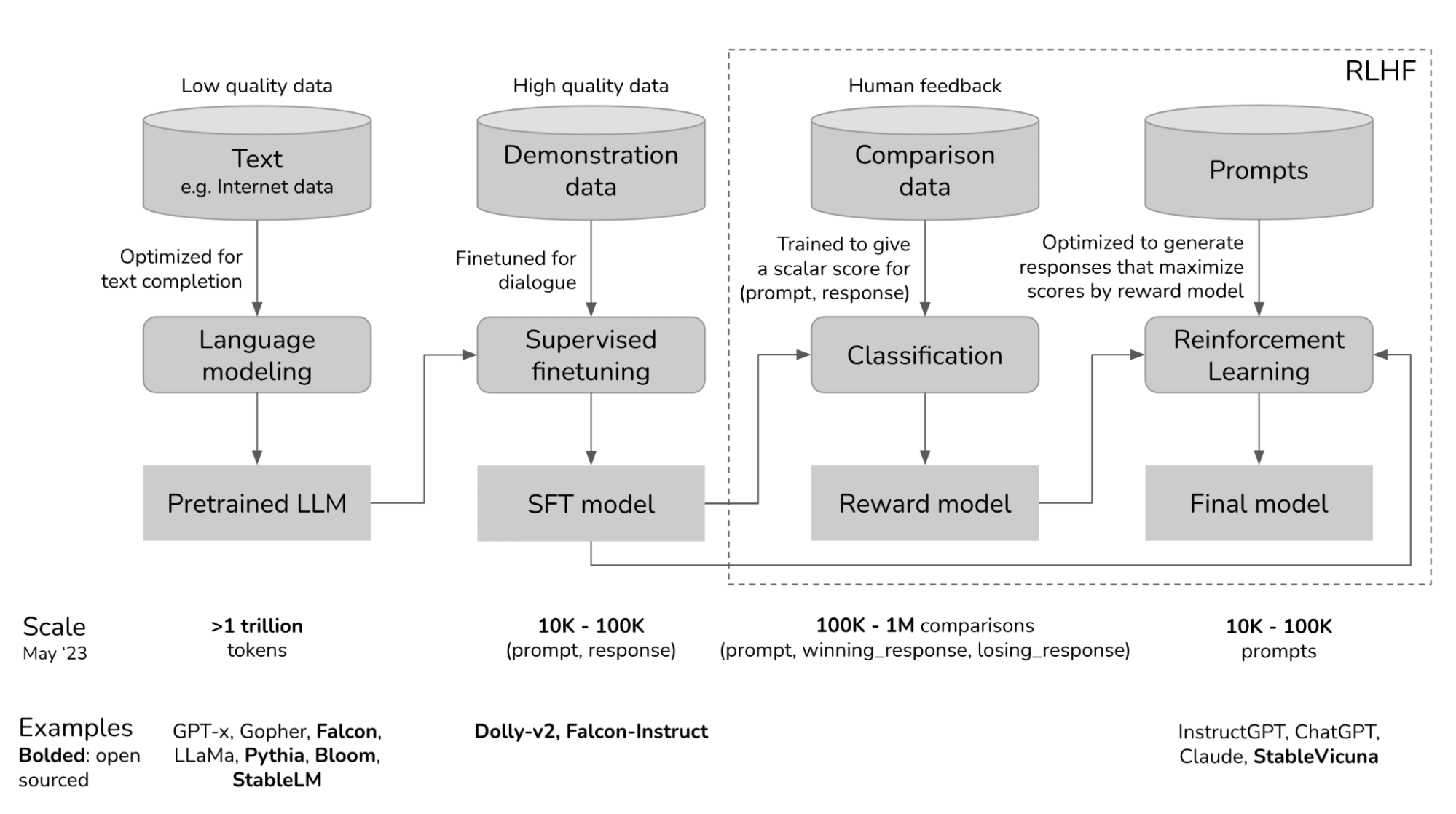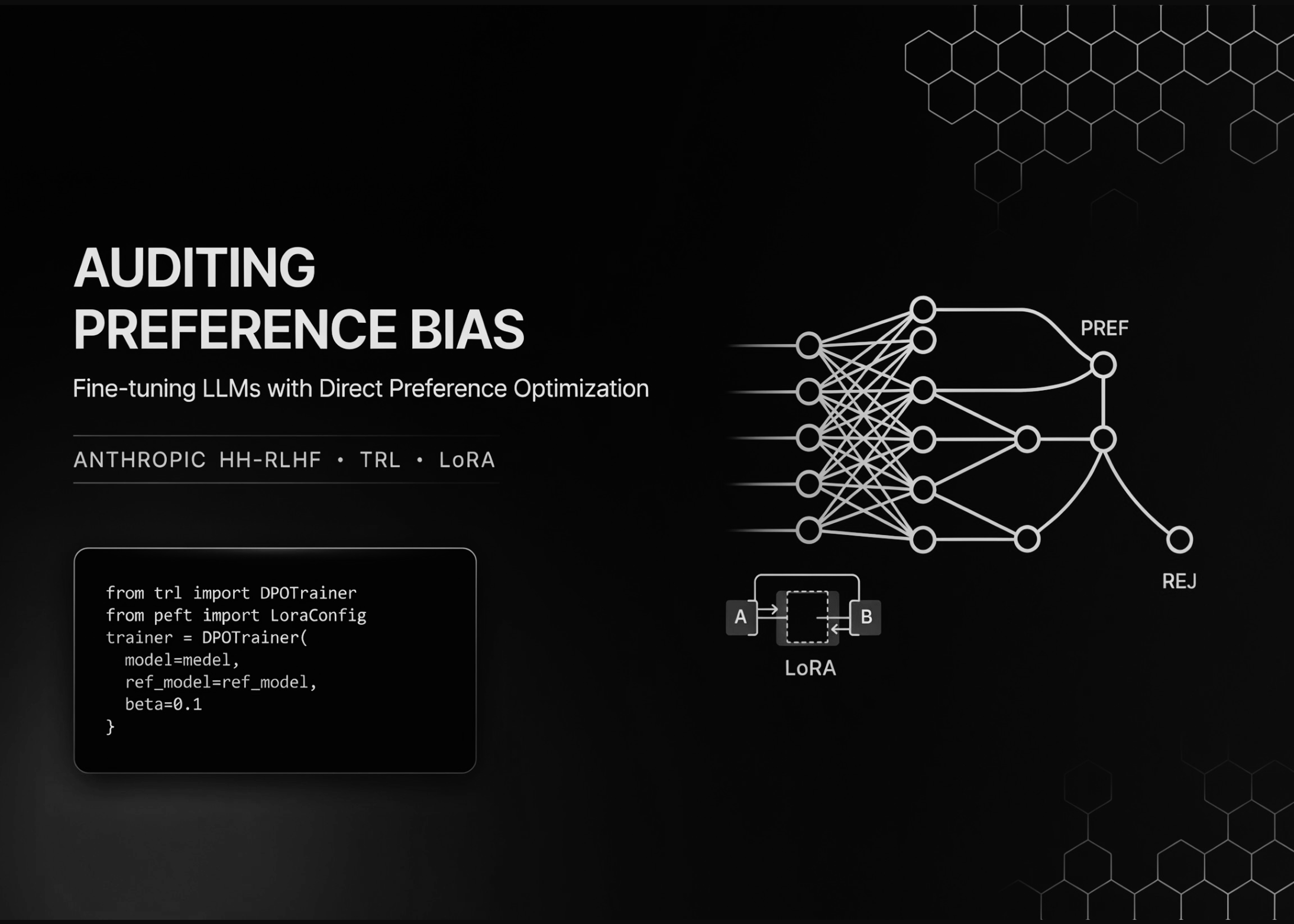
In this tutorial, we design an end-to-end preference-learning workflow using the Anthropic HH-RLHF dataset and Direct Preference Optimization (DPO). We begin by preparing a robust Colab environment, loading and parsing chosen–rejected response pairs, and auditing the dataset for structural and length-based preference biases. We then run lexical shortcut diagnostics to determine whether surface-level linguistic patterns can separate preferred from rejected responses, prepare conversational data with tokenizer-aware length filtering, and construct a version-robust DPO training pipeline with TRL and optional LoRA adaptation. Finally, we fine-tune a Qwen2.5-0.5B-Instruct model, evaluate reward accuracy and training behavior, analyze performance across individual HH-RLHF subsets, inspect potential length bias, generate sample responses, and save the resulting policy for further experimentation.
import dataclasses
import importlib.util
import inspect
import os