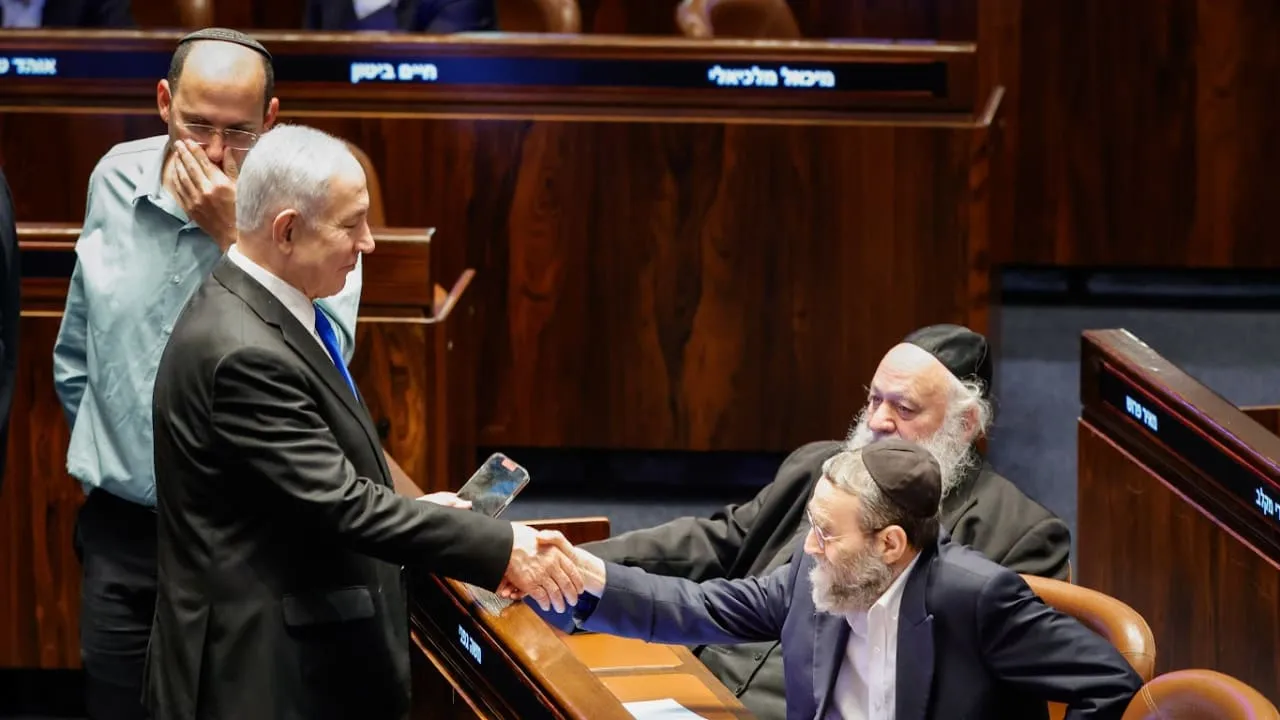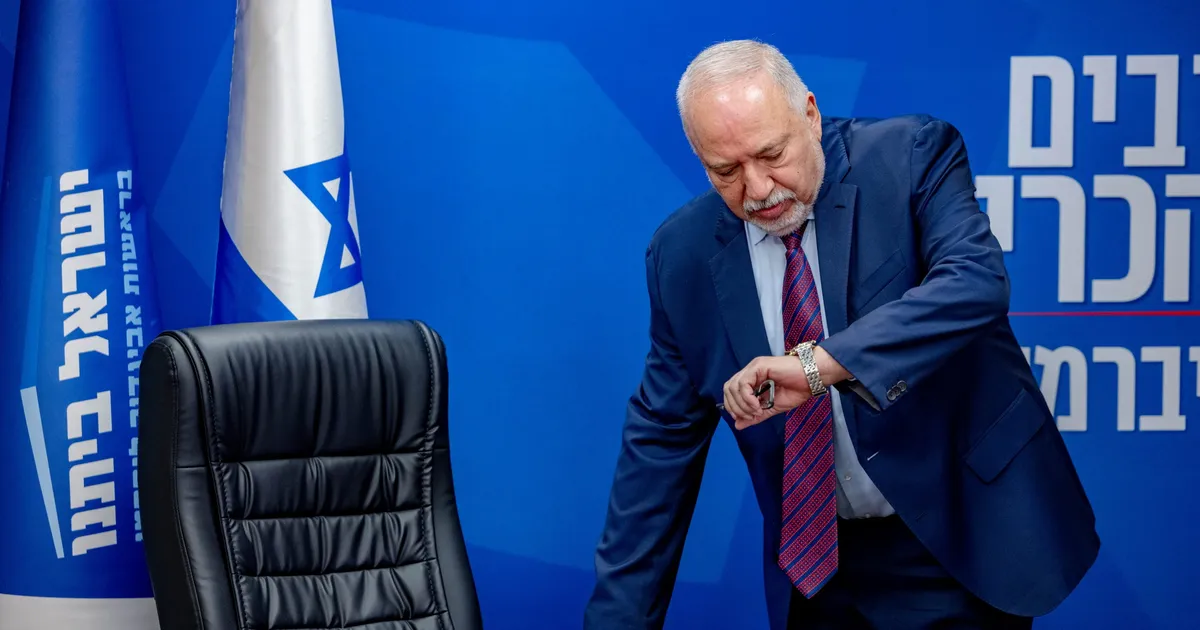
ByANNA BARSKYAUGUST 20, 2026 11:59As Maj.-Gen. (ret.) Ofer Winter continues to hint at the formation of a new party, Likud officials have grown increasingly concerned amid fears that the rapid expansion of right-wing lists could leave votes below the electoral threshold. Winter will likely announce the establishment of his party as early as next Tuesday, and has reportedly been holding talks with Yoseph Haddad about joining the party.The possibility that the two could run together is particularly troubling to senior Likud officials and is already pressuring Prime Minister Benjamin Netanyahu to act.In recent days, senior Likud officials have urged Netanyahu to consider reserving a spot for Haddad on the Likud list in order to prevent him from joining Winter and creating another electoral force to Likud's right.Those officials are less concerned with the potential contribution Haddad could make to Likud than with what could happen if he joins Winter and draws votes away from the bloc.(L-R) Religious Zionist Party (RZP) MK Simcha Rothman and Finance Minister Bezalel Smotrich shake hands at the RZP primaries ahead of the 2026 Israeli election, in Jerusalem, July 26, 2026 (credit: YONATAN SINDEL/FLASH90)Divide and conquer, a Likud strategyLikud officials believe that if Winter runs alone and fails to gain traction in the polls, it will be easier later to persuade him to drop out of the race or join Bezalel Smotrich. Attempts to promote such a move have so far failed to materialize, and Winter himself is not pursuing it at this stage. From their perspective, either scenario would reduce the danger of right-wing votes being wasted below the electoral threshold.With Haddad at his side, however, Winter's position could be different. Likud officials fear Haddad could give the new party a much stronger starting point because of his supporter base and public profile. If the partnership brings the list close to the electoral threshold, and certainly if polls put it above the threshold, it would become much harder to persuade Winter to drop out.Likud officials believe that in such a situation, Winter and his associates would insist on running through the election, while the possibility of a later alliance with Smotrich would also become more remote.The talks between Winter and Haddad are at an advanced stage. Haddad is slated for the Number two spot on the list and is seeking to place three additional candidates of his choosing in the top 10.Haddad is behind an application to register a party called Israel Amitza ("Brave Israel"). His options remain open: joining Winter, running independently, or staying out of politics.Winter, meanwhile, is working to finalize his slate by the end of the week ahead of the planned announcement next week. Activist and bereaved mother Lali Deri is also among those with whom talks are being held.Winter, Haddad consider a full mergerThe discussions between Winter and Haddad concern a full merger, rather than a technical bloc or temporary arrangement ahead of the election.The two want to present a slate of new faces and, as much as possible, avoid politicians who have previously held political office. Haddad's demand for three additional places in the top 10 indicates that the negotiations also involve significant influence over the composition of the slate Winter intends to present.Likud's concern extends beyond Winter's candidacy. The possibility that he will run separately comes amid uncertainty surrounding other lists and fears that parties falling below the electoral threshold will drain votes from the bloc. Similar concerns have arisen over Yuli Edelstein's political moves. Figures on the Right warn that multiple independent lists competing for the same pool of voters could ultimately leave many votes outside the Knesset and cost the bloc seats.At the same time, Likud is considering using some of the reserved spots still at Netanyahu's disposal to assist the Religious Zionist Party and reduce the risk of votes being lost within the bloc if Smotrich struggles to cross the electoral threshold.Likud officials point to a similar move Netanyahu promoted ahead of the 2021 election. Ofir Sofer, then a member of Smotrich's party, was placed at No. 28 on the Likud list as part of an agreement intended to facilitate a joint run by the Religious Zionist Party, the Otzma Yehudit Party, and Noam, and prevent the loss of right-wing votes. Formally, Sofer ran on behalf of the shelf party Atid Ehad, entered the Knesset after Likud won 30 seats, and later split from the Likud faction and returned to the Religious Zionist Party faction.The decision over the reserved spots therefore carries significance beyond the composition of the Likud list itself. Netanyahu can use them to preempt a Winter-Haddad alliance while also helping Smotrich if it becomes clear that he is struggling to cross the electoral threshold.With several right-wing lists competing for the same pool of voters, the decision over who receives the remaining spots at Netanyahu's disposal is becoming part of the effort to enter the election without leaving thousands of votes from the bloc outside the Knesset.Follow us on Google
Likud fears potential Ofer Winter and Yoseph Haddad alliance could split votes | The Jerusalem Post
Senior Likud officials have urged Netanyahu to consider reserving a spot for Haddad on the Likud list in order to prevent him from joining Winter and creating another force to Likud's right.
827 words~4 min read