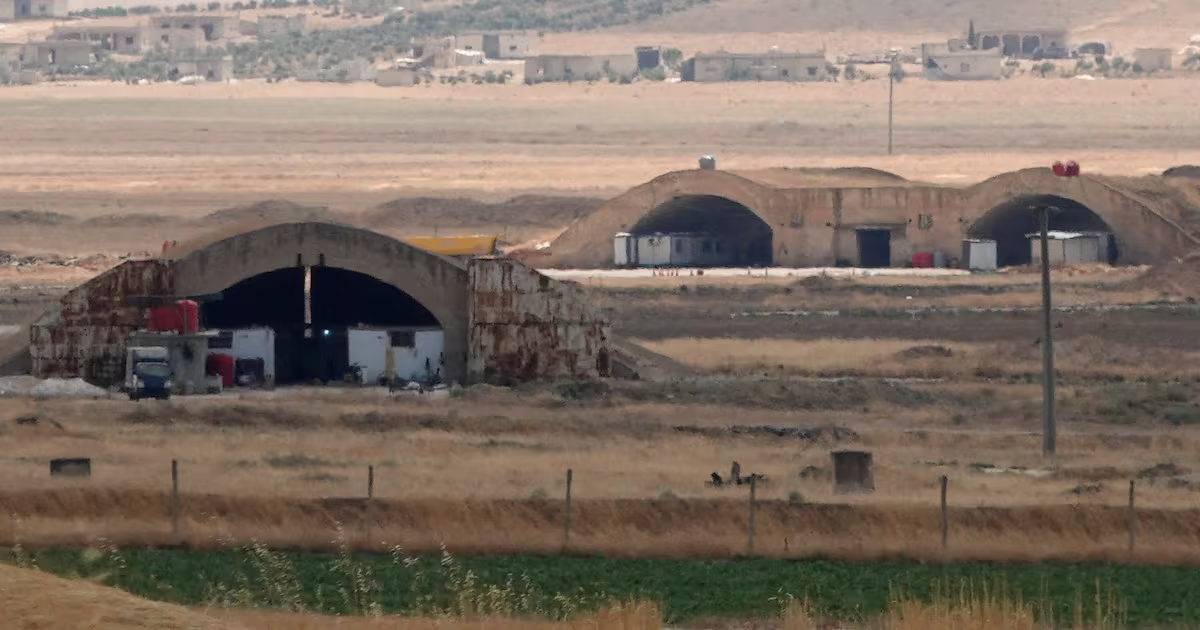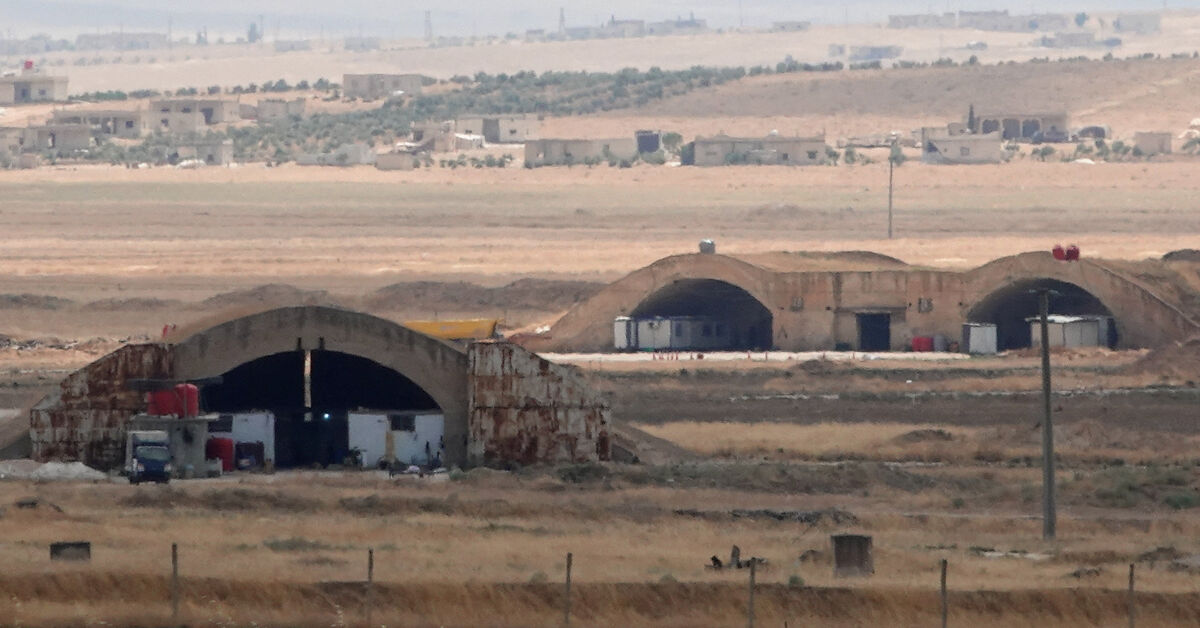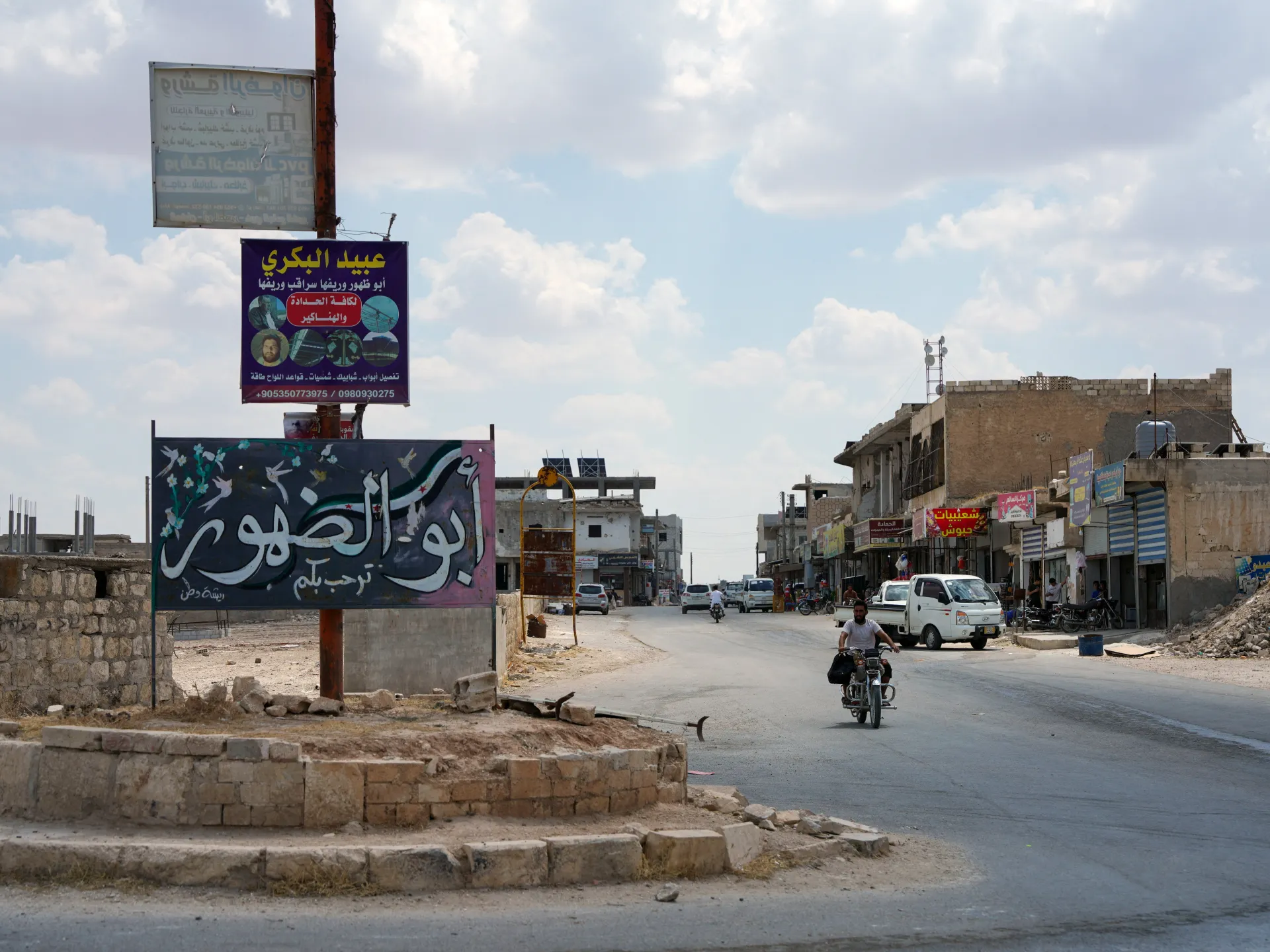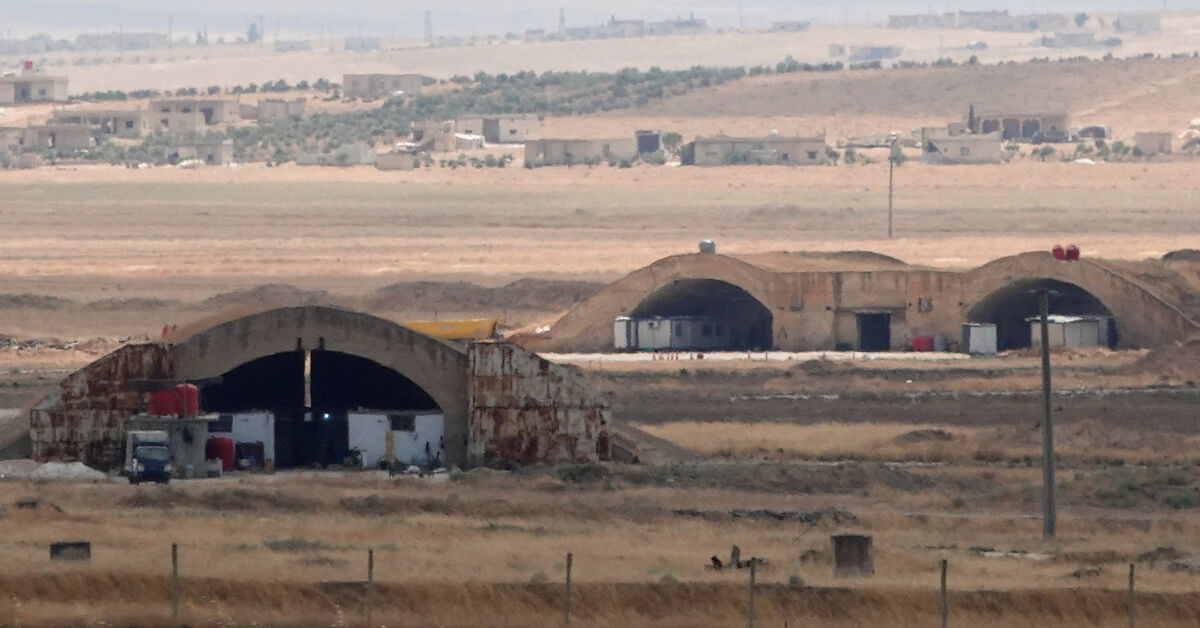
The United States and Turkey have strongly criticised Israel’s bombing of the disused Abu al-Duhur airbase in Idlib province in northwest Syria on Tuesday. In a statement, Israeli prime minister Binyamin Netanyahu’s office said late on Tuesday that Syria was on the verge of violating a “status quo agreed with Israel in security matters” by allowing Turkish troops to deploy at the airbase, adding that such a deployment would threaten Israel’s security and it would not tolerate this.Ankara denied the allegations on Wednesday, describing them as “untenable”. Turkey’s presidency said the “imputations” from Netanyahu’s office stemmed from his intention to pursue “expansionist and destabilising policies” before elections in Israel, adding that lasting regional peace could only be achieved if Israel respected international law and abandoned its “aggressive and coercive policies”.US envoy for Turkey and Syria Tom Barrack, writing on X on Tuesday, said the strikes “constitute an unnecessary escalation that does not advance regional stability”. He added: “We encourage all parties to prioritise logical discourse over further military incidents.” Syrian foreign minister Asaad al-Shibani said the attacks did not have “security justifications”. He added: “We will continue on our diplomatic path to dissuade Israel from this policy and to force it to stop its attacks on Syria.” Turkey, which has Nato’s second-largest army and has emerged as one of Syrian president Ahmed al-Sharaa’s main allies, has accused Israel of trying to destabilise Syria and undermine its new administration, repeatedly calling for international pressure and measures on Israel to respect Syria’s territorial integrity.Ankara has been training Syria’s army, helping it rebuild its state institutions and infrastructure, and providing military and diplomatic support.Last year, Turkey and Israel – also sharply at odds over the war in Gaza – established a line of communication to avoid any incidents in Syria.Regional analysist Kheder Khaddour told Al-Jazeera the Israeli military “doesn’t want the new Syria to have any kind of air force in the coming years”. In March 2025, Israel targeted airbases in Homs and Palmyra that, according to Reuters news agency, had been visited by Turkish military delegations. In July 2025, Israel bombed Syria’s defence ministry in the centre of Damascus, killing three people and injuring 34. Israel described the strikes as a “warning” that it could intervene in defence of Syria’s Druze community, who had clashed with the Syrian army over a demand for autonomy in southern Suwayda province. Israel invaded Syria in December 2024, when it proposed a demilitarised zone in the south and forbade Syrian troops from deploying in the area. Israel has repeatedly told Syria not to move troops south of Damascus near the Israeli border. The Syrian government has said it does not intend to pose a threat to Israel.Since the fall of the government of Bashar al-Assad in late 2024, Syria has adopted a policy that it says is focused on domestic reconstruction, stabilisation and positive relations with regional and global powers. This represents a major policy shift. During the cold war, Syria aligned with the Soviet Union for military, economic and political backing to counter western influence and Israel. This partnership made Syria one of the Soviet Union’s most loyal and strategic regional allies until the declaration of the end of the Soviet Union in December 1991. Without such an ally, Sharaa has had no choice but to cultivate ties with the West, especially the US, which he has visited on three occasions. In advance of his first visit, the US dropped Syria’s “terrorist” designation and lifted crippling sanctions on the country.Syria has joined US-sponsored indirect talks to secure a military disengagement pact with Israel. However, Sharaa explicitly rejects full normalisation and maintains Syria’s claim to the Golan Heights, which were occupied by Israel in June 1967 when Israel also captured East Jerusalem, the West Bank and Gaza. Following the ousting of the Assads, Israel seized territory adjacent to the Golan, land on strategic Mount Hermon on the border with Lebanon and Syria, and elsewhere.
US and Turkey criticise Israeli attack on Syria
Turkey has accused Israel of trying to destabilise Syria and undermine its new administration
658 words~3 min read